
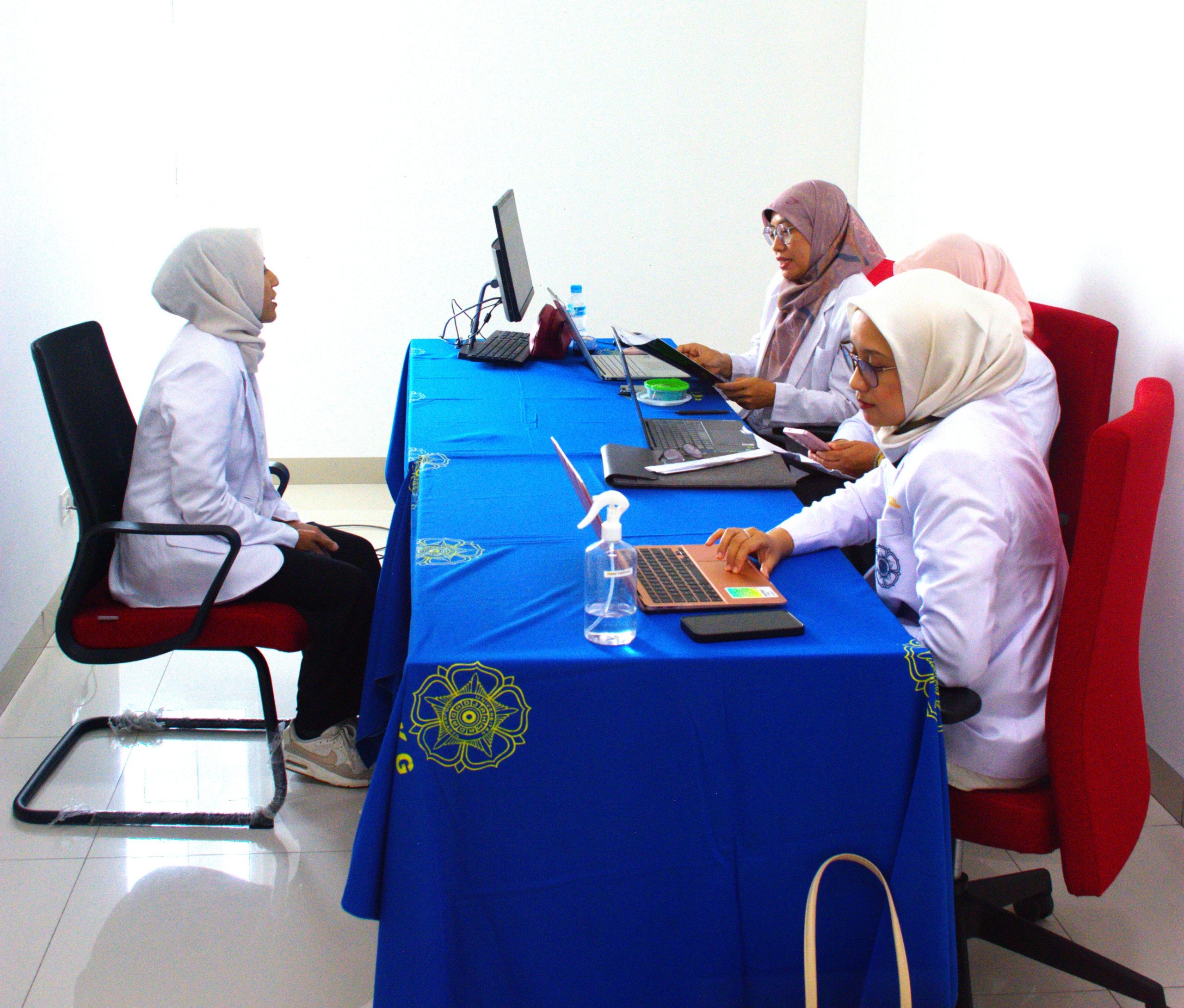
The limited number of dental radiology specialists remains a structural issue in Indonesia’s oral healthcare system. Amid increasingly complex diagnostic demands, the supply of experts in this field has yet to match need. The Faculty of Dentistry at Universitas Gadjah Mada (FKG UGM) has positioned this issue as a central context in conducting the selection process for its Dental Radiology Specialist Education Program (RKG) for the second semester of 2025.
The first day of selection involved interviews, followed by computer-based testing on January 20, 2026. Fourteen dentists from various regions participated. The level of interest reflects growing attention toward dental radiology, although specialist training capacity remains limited. This condition highlights the imbalance between service demand and specialist education capacity in Indonesia.
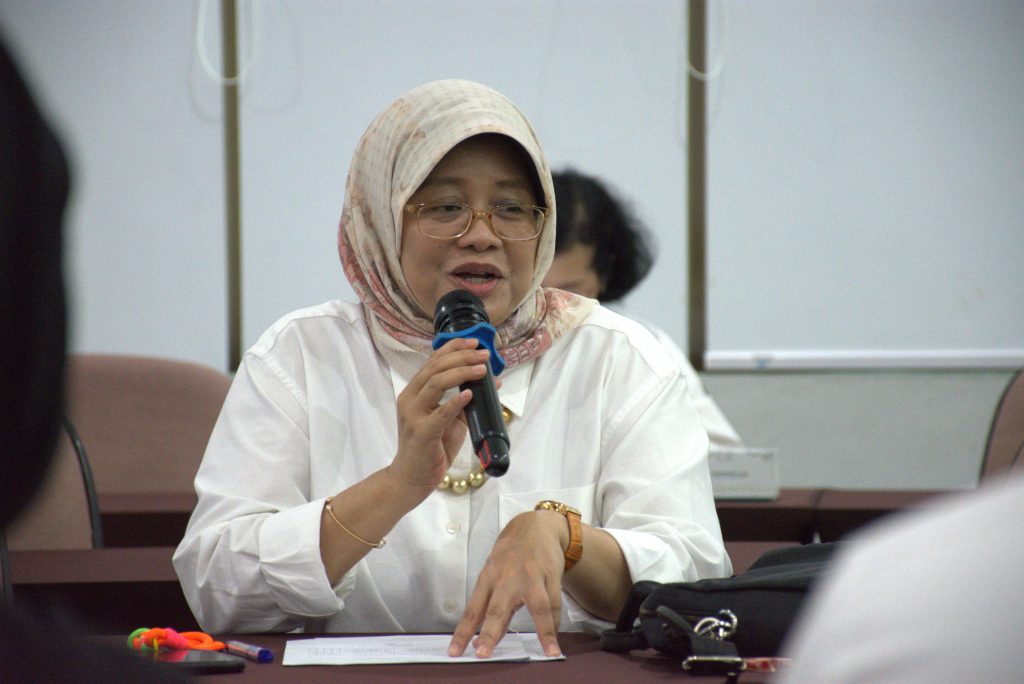
The Vice Dean for Academic Affairs of FKG UGM, Prof. Dr. drg. Rosa Amalia, M.Kes., stated during the opening that the RKG program is one of the newest programs within the faculty. However, it is supported by educators and radiology experts with national-level experience. These resources form the foundation for maintaining educational quality and ensuring graduates’ relevance to national healthcare needs.
“The number of dental radiology specialists is still very small, yet their role is crucial in diagnosis and treatment planning. Therefore, the selection process is conducted rigorously,” she explained.
The 14 applicants reflect two main trends: relatively high interest in dental radiology compared to the limited availability of similar programs in Indonesia, and limited intake capacity that maintains strict competition while restricting the pace of specialist growth.
Dental radiology plays a central role in modern dental practice, particularly in imaging interpretation for precise diagnosis. Technological advances demand high-level competence in both scientific knowledge and professional ethics. Without sufficient specialist expansion, service burdens risk becoming unevenly distributed.
selection committee members, and academic coordinators. This cross-functional involvement demonstrates the institution’s effort to uphold academic and professional standards from the outset. Selection assessed not only academic capability but also mental readiness and long-term commitment.
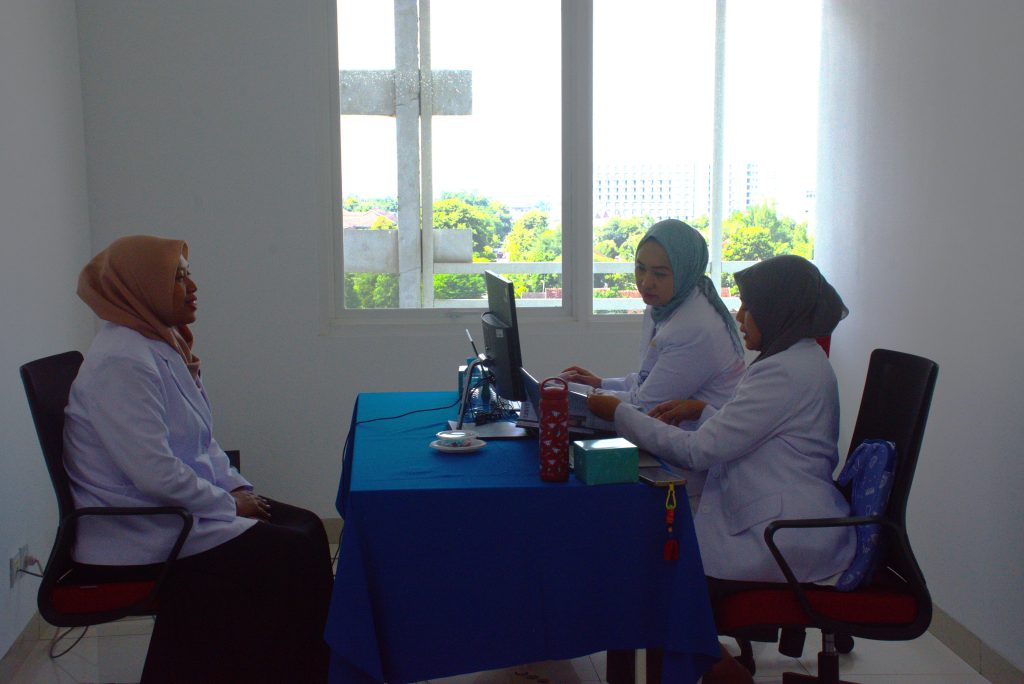
FKG UGM views the RKG program as part of a long-term strategy to strengthen healthcare human resources. Although intake quotas remain limited, the program’s sustainability is expected to gradually increase the number of specialists and contribute to improving national oral healthcare quality.
The Vice Dean emphasized that choosing to participate in the selection reflects professional responsibility. “The commitment to pursue advanced education—regardless of the outcome—is an initial contribution to improving public health,” she stated.
Amid growing demand, specialist regeneration through formal education is key. Without systematic institutional intervention, the shortage of dental radiology specialists risks becoming a permanent obstacle in building high-quality, equitable oral healthcare services.
Reporter & Photography: Andri Wicaksono