
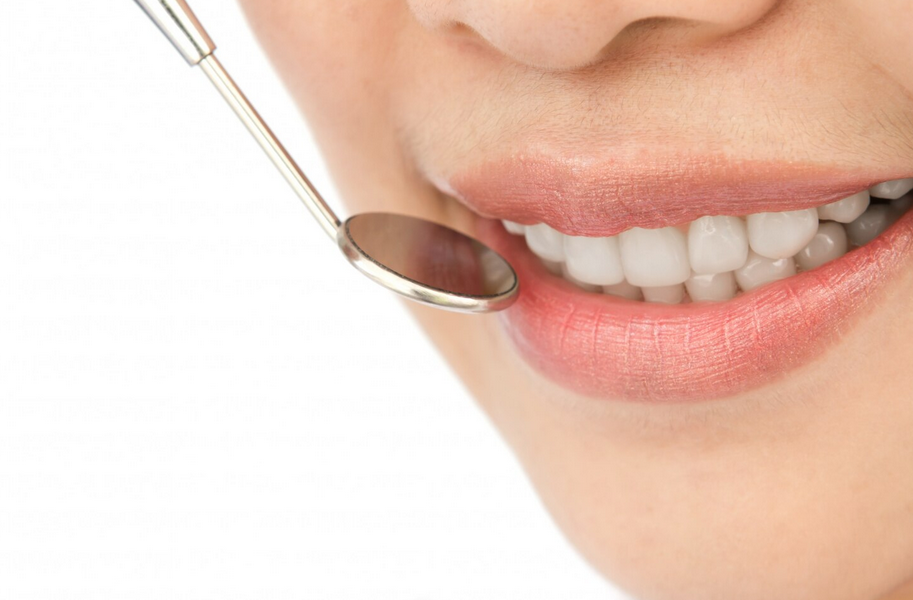
Aesthetic restorations in modern dentistry demand materials that are not only mechanically strong but also aesthetically stable, including the ability to maintain color compatibility with natural teeth and preserve appearance over the long term. One significant development is the nano-hybrid composite, a restorative material that combines microscopic filler particles and nanoparticles to achieve an optimal balance of strength, smooth polishability, and improved color stability.
Characteristics of Nano-Hybrid Composites
1. Filler and Resin Matrix
Nano-hybrid composites consist of an organic resin matrix (such as bis-GMA and UDMA) reinforced with a mixture of inorganic fillers: microparticles and nanoparticles. Nanoparticles help achieve a very smooth surface finish (good polishability) and reduce inter-filler spacing, which can minimize fluid and pigment absorption.
2. Aesthetics and Color Stability
Restorative materials must resist discoloration caused by food, beverages, or the oral environment. The cited research indicates that color change is one of the weaknesses of composite restorations when materials are not resistant to pigment absorption or resin matrix degradation.
3. Mechanical Properties and Strength
Nano-hybrid composites are also expected to possess adequate flexural strength, modulus, and wear resistance for both anterior and posterior applications, while offering superior aesthetic performance.
Research Findings and Implications
Research conducted by two FKG UGM students, Naidu and Niroshini Illesha, under the supervision of drg. Pribadi Santosa, MS, Sp.KG(K) and drg. Andina Widyastuti, Sp.KG Subsp.KR(K) evaluated differences in color changes between micro-fine hybrid composite resin and nano-hybrid composite resin after immersion in green tea solution. The findings indicate that restorative materials containing nanoparticle fillers demonstrate superior color stability compared to earlier generations. Clinically, this suggests that the use of nano-hybrid composites may provide more aesthetically durable restorations, particularly in the anterior region where color and appearance are critical.
Clinical Implementation
- Material selection: Clinicians should consider nano-hybrid composites, especially for aesthetic restorations in anterior teeth or in patients with high aesthetic expectations.
- Application protocols: Proper polishing, precise marginal finishing, and appropriate bonding techniques are essential to maximize outcomes.
- Long-term maintenance: Patients should be educated that despite optimized materials, dietary staining habits and oral hygiene play significant roles in maintaining restoration color.
- Routine evaluation: Periodic monitoring of color changes and wear is recommended to determine the need for restoration repair or replacement.
***
The development of nano-hybrid composites marks an important advancement in modern aesthetic restorations, offering a superior combination of mechanical strength and aesthetic stability. Based on supporting research, the use of nanoparticle fillers demonstrates improved resistance to color changes. However, clinical success also strongly depends on proper application techniques, optimal polishing, and patient behavior. As such, this material presents a promising option for improved long-term aesthetic restorations.
References
NAIDU,NIROSHINI ILLESHA, drg. Pribadi Santosa, MS, Sp.KG(K); drg. Andina Widyastuti, Sp.KG Subsp.KR(K), “Perbedaan Perubahan Warna Resin Komposit Micro-fine Hybrid dan Resin Komposit Nano Hybrid setelah Direndam dalam Larutan Teh Hijau”, Universitas Gadjah Mada. https://etd.repository.ugm.ac.id/penelitian/detail/157919
Author: Rizky B. Hendrawan | Photo: Freepik

