
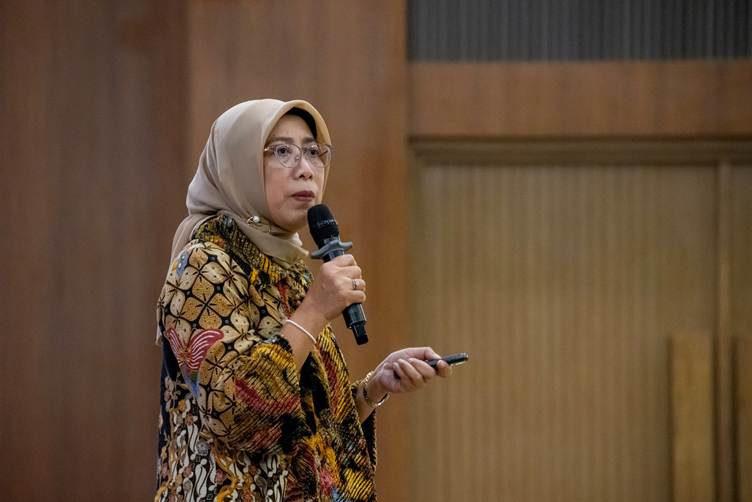
Public awareness regarding oral and dental health is still considered low, despite its potential impact in triggering serious diseases such as heart disorders and stroke. This was conveyed by oral biology expert Prof. drg. Tetiana Haniastuti, M.Kes., Ph.D., in a scientific presentation entitled “Connecting Oral Biology to Public Needs: A Scientific Approach for a Healthier Indonesia.”
In her presentation, Prof. Tetiana emphasized that oral biology is not merely a basic science in dentistry, but an essential foundation for understanding the relationship between oral health and overall systemic health.
“Oral biology studies the structures, functions, and biological processes within the oral cavity, including interactions between microorganisms and the body’s responses. This is crucial in bridging scientific research and clinical practice,” she explained.
Oral Bacteria Can Trigger Heart Disease
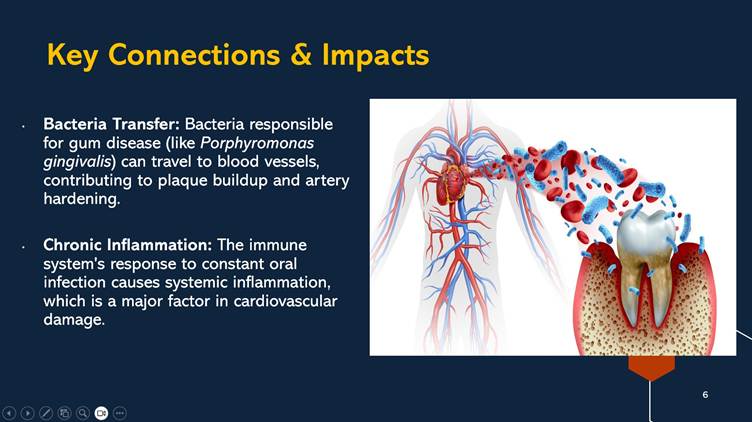
One of the key findings highlighted was how bacteria responsible for gum disease can enter the bloodstream and trigger various systemic complications.
Prof. Tetiana explained that bacteria such as Porphyromonas gingivalis can migrate into blood vessels and contribute to plaque formation and arterial hardening.
“Chronic infections in the oral cavity can lead to systemic inflammation. This becomes a major factor in cardiovascular damage,” she stated.
Moreover, more severe conditions such as infective endocarditis may occur when oral bacteria infect heart valves. The risk of stroke also increases significantly in individuals with periodontal disease and tooth loss.
“Several studies have shown that the risk of stroke may increase by up to 86 percent in patients with untreated dental problems,” she added.
Bridging Research and Clinical Practice
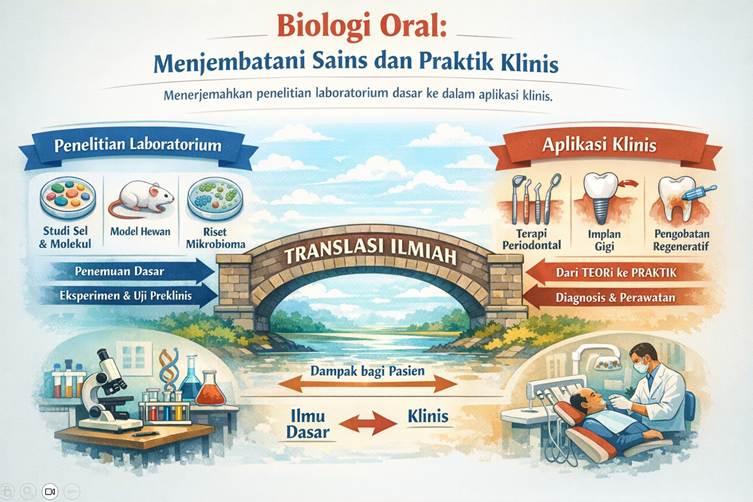
Oral biology also plays a significant role in the development of healthcare technologies, ranging from caries treatment to innovations such as stem cell therapy and 3D printing in dentistry.
According to Prof. Tetiana, science-based approaches enable healthcare professionals not only to treat diseases, but also to prevent them at an early stage.
“We want to ensure that laboratory research findings can be directly applied to improve people’s quality of life,” she said.
The Need for Collective Awareness
Prof. Tetiana emphasized that improving public health cannot rely solely on healthcare professionals, but also requires individual awareness.
“Healthy teeth are the gateway to a strong body. If we neglect oral health, the consequences can be far-reaching,” she stressed.
As the relationship between oral health and systemic diseases becomes increasingly evident, oral biology is expected to become a major focus within national health policies. An integrated scientific approach is believed to support the creation of a healthier Indonesian society overall.
Reporter: Andri Wicaksono, S.Sos., M.I.Kom.; Photography: Fajar Budi Harsakti, SE