
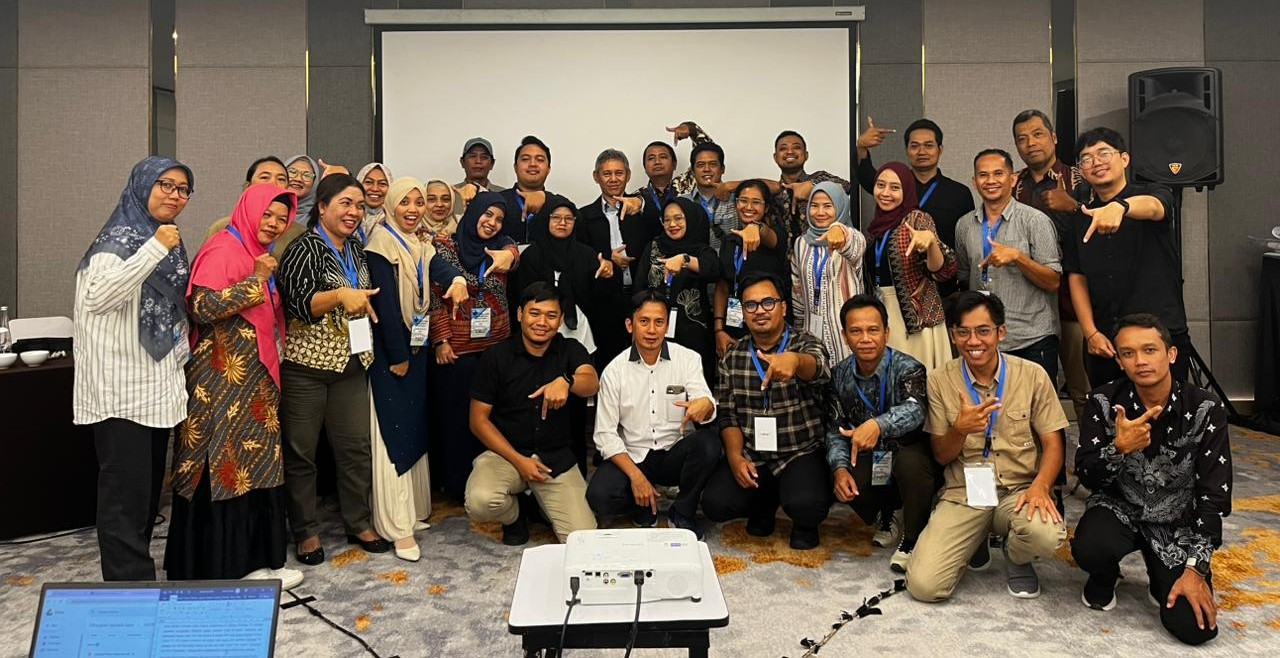
That morning, Surabaya had not yet fully heated up when training participants began filling the small classroom where the Technical Training on Building Effective Collaboration was held. There were no formal uniforms or rigid bureaucratic atmosphere. Instead, there were tired faces carrying stories: mounting work targets, exhausting cross-unit meetings, and minor conflicts that often escalated due to miscommunication.
For years, many Civil Servants (ASN) have been accustomed to working quickly and precisely. However, not all are accustomed to pausing to understand emotions—both their own and those of their colleagues. The training, held on December 7–13, 2025, gradually opened that space—a space to learn how to be human before being an employee. Fakultas Kedokteran Gigi Universitas Gadjah Mada (FKG UGM) participated in this forum and sent Bernadetha Laras Ayu Tholeta Suri as its delegate.
When Emotions Are No Longer Kept Inside
On the first day, participants were invited to discuss something rarely addressed in technical training: feelings. Sunarto, the facilitator, did not immediately present theory. Instead, he asked participants to recall the last time their emotions flared at work—anger over criticism, disappointment when efforts went unrecognized, or exhaustion from an unrelenting workload.
“Emotions that are not managed do not disappear. They simply transform into conflict, cynicism, or fatigue,” he said.
Some participants fell silent. Others smiled bitterly. Some realized that although they worked in teams, they had been carrying their burdens alone. From there, discussions flowed about emotional intelligence, empathy, and the importance of maintaining personal stability for the sake of team stability.
Not Just Working Together, But Growing Together
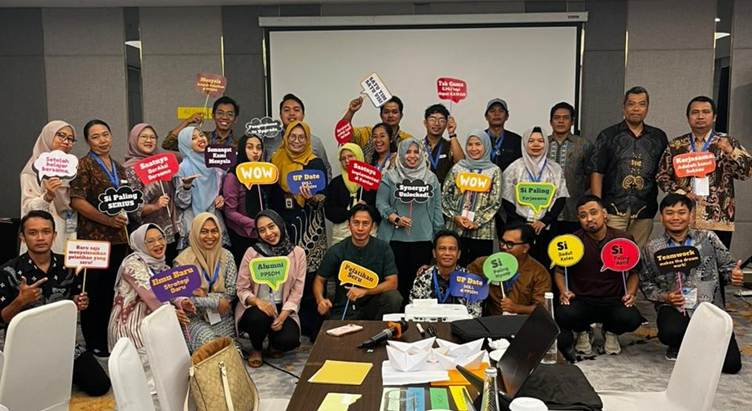
The following day focused on collaboration skills. Participants were divided into small groups without regard to rank or unit. Bureaucratic barriers began to dissolve. One participant admitted that he had always wanted to be the “decision-maker,” only to realize that teams also need good listeners.
Ana Susanti, the collaboration facilitator, emphasized that teamwork is not about dominance but about awareness of one’s role. “In a team, no role is higher than another. The roles complement each other,” she said.
Discussions about team dynamics—forming, storming, norming, performing—helped participants understand that conflict is not a sign of failure, but part of growing together.
Conflict Is Not Always About Winning or Losing
For many civil servants, conflict is often avoided for fear of damaging relationships or appearing unprofessional. However, conflict management training encouraged participants to face conflict calmly and with openness.
Through case simulations, participants learned when to compromise, when to collaborate, and when to hold back. Most importantly, they learned to listen not to respond, but to understand.
“Conflict resolved well actually strengthens the team,” became a recurring theme in class discussions.
From the Classroom to the Workplace
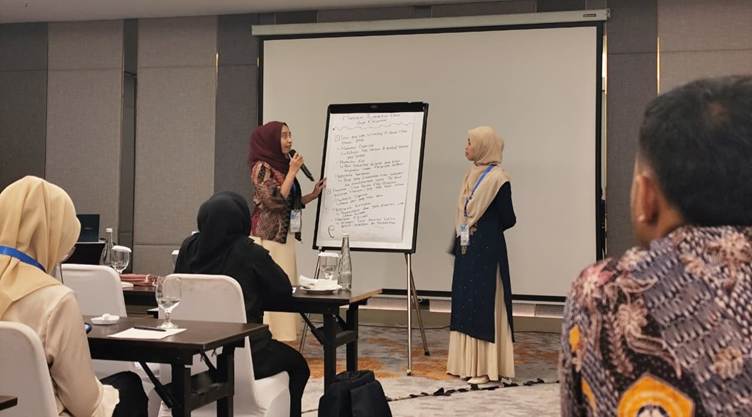
The training did not end with certificates or evaluation scores. Participants were asked to bring home one commitment: to change how they work within their respective units. Some chose to initiate simple sharing sessions, others began cross-department coordination, and some dared to ask colleagues for feedback.
For many, these small steps were not easy. But they realized that teamwork is not built solely through grand policies—it grows through honest conversations and supportive habits.
Teamwork as Culture, Not Just an Agenda
At the end of the training, a sentence appeared boldly on the screen: “Teamwork is our culture, not just our training.” Simple, yet meaningful. It reminded participants that professionalism in public service is not only about competence and targets, but also about humanity.
Surabaya witnessed that behind systems and regulations, civil servants are human beings who learn, change, and grow together. And from those small classrooms, hope for a more collaborative bureaucracy slowly found its path—a path aligned for the nation.
(Correspondent: Bernadetha Laras Ayu Tholeta Suri | Editor: Andri Wicaksono)