
Odontogenic tumors are neoplasms originating from tooth-forming tissues—either odontogenic epithelium or its supporting structures. One of the most commonly encountered odontogenic tumors in oral surgery clinics is ameloblastoma. Although histologically benign, ameloblastoma often exhibits locally aggressive growth, can cause bone destruction, facial deformity, and may require highly invasive treatment if diagnosed late. Early identification through radiological examination is crucial so that treatment can be more conservative and outcomes better for patients.
Findings from the Prevalence Study in Yogyakarta
A study conducted by FKG UGM student Yasmine Putri Caesarina under the supervision of drg. Elizabeth Riyati Titi Astuti, M.Kes., Sp.BM. and drg. Rahardjo, S.U., Sp.BM. at the Oral Surgery Polyclinic of RSUP Dr. Sardjito Yogyakarta (2009–2013) documented the prevalence, distribution, and types of treatment of ameloblastoma. Key findings include:
- A total of 63 cases of ameloblastoma, with a period prevalence of 1.16% of all patients in the oral surgery clinic.
- Location distribution: the majority were in the mandible (approximately 90.5%), with some cases in the maxilla (7.9%) and one case involving both jaws.
- The most common age group was 40–49 years (23.8%), with nearly equal distribution between males and females.
- The most frequently identified type was plexiform ameloblastoma.
- Radical treatment (major surgical procedures such as mandibular resection) was most commonly performed for both mandibular and maxillary cases.
Role of Radiology in Early Identification
Radiology plays a critical role in the diagnosis and early identification of ameloblastoma and other odontogenic lesions by:
- Panoramic and Periapical Radiography
- As initial screening tools, panoramic radiographs can reveal radiolucent lesions, bone swelling, unclear lesion borders, or jaw anatomical changes.
- Assessing whether lesions are unilocular or multilocular, which may indicate certain types of ameloblastoma.
- Advanced Imaging (CBCT, CT, MRI)
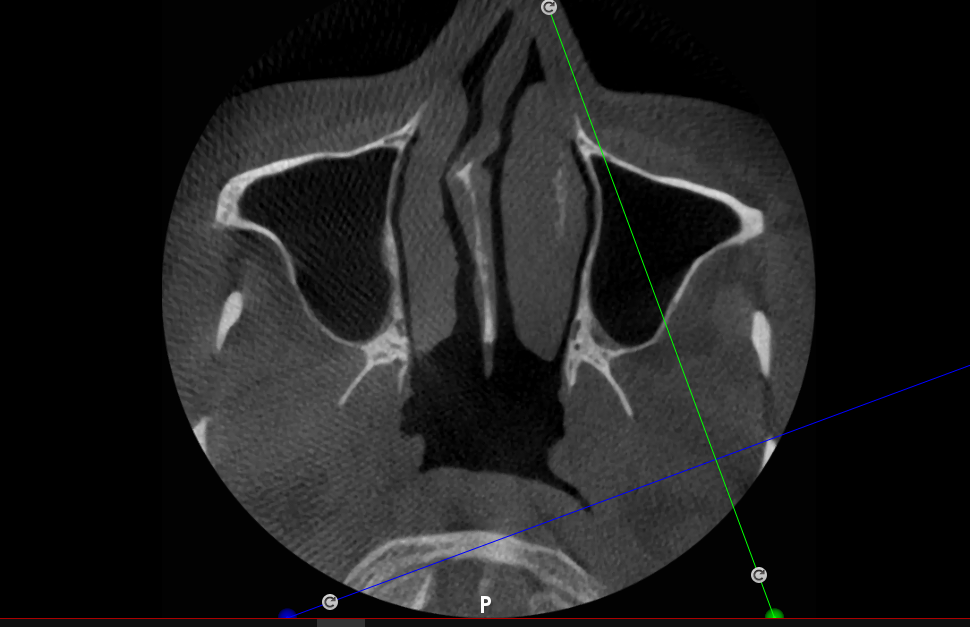
- If 2D radiographs are suspicious, CBCT provides three-dimensional visualization, showing lesion dimensions, relationships with adjacent anatomical structures (e.g., maxillary sinus, mandibular canal), and surrounding bone architecture.
- Evaluating possible soft tissue invasion or the need for more aggressive resection.
- Histopathology as Confirmation
- Radiology alone is not sufficient for definitive diagnosis but is crucial as the initial step before biopsy and histological analysis.
Benefits of Early Radiological Examination
- Reducing the extent of surgical intervention required, as smaller tumors can be treated more conservatively.
- Reducing morbidity, which is essential for preserving jaw function, facial aesthetics, and faster recovery.
- Saving patient costs and time through earlier diagnosis, compared to more complex and extensive treatments due to late detection.
***
Ameloblastoma is a relatively rare but locally aggressive odontogenic tumor. The Yogyakarta study showed a prevalence of approximately 1.16%, a dominant location in the posterior mandible, a plexiform type pattern, and radical intervention as the treatment of choice in many cases. Radiology—particularly panoramic imaging and, when necessary, CBCT—is a vital tool for early identification of odontogenic tumors. Early detection enables more conservative intervention and better patient outcomes. To maximize benefits, regular radiographic screening, access to adequate radiological technology, and practitioner education in recognizing early radiographic signs of ameloblastoma are essential.
References
YASMINE PUTRI CAESARINA, drg. Elizabeth Riyati Titi Astuti, M.Kes., Sp.BM.; drg. Rahardjo, S.U., Sp.BM., PREVALENSI AMELOBLASTOMA DAN DISTRIBUSI AMELOBLASTOMA SERTA PERAWATANNYA DI POLIKLINIK BEDAH MULUT RSUP DR. SARDJITO YOGYAKARTA PERIODE 2009-2013, https://etd.repository.ugm.ac.id/home/detail_pencarian_downloadfiles/753329
Author: Rizky B. Hendrawan | Photo: Freepik