
The field of dentistry, particularly prosthodontics, is undergoing a major leap through digitalization. The shift from conventional methods to digital-based systems is not only transforming the way clinicians work, but also significantly improving service quality, efficiency, and patient experience.
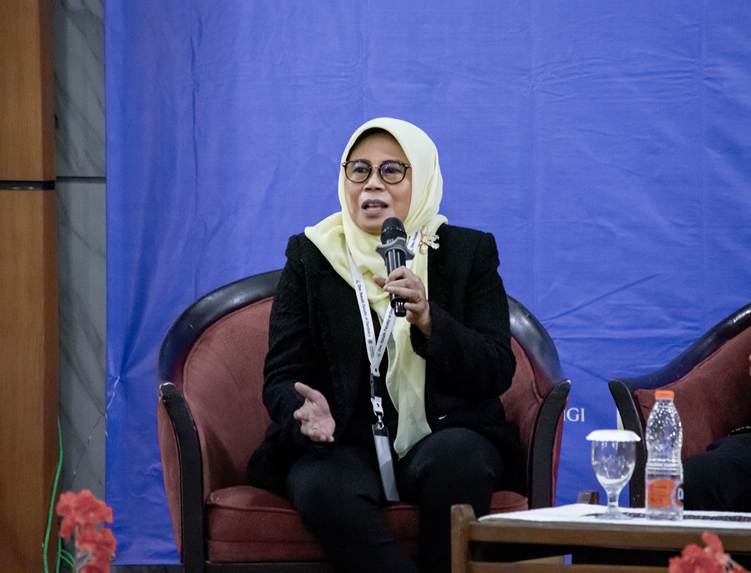
In a scientific presentation titled Digitalization Strategies for Dental Prostheses in Future Clinical Practice, Prof. Dr. drg. Titik Ismiyati, M.S., Sp.Pros., Subsp. CPDI (K) emphasized that this transformation affects the entire prosthodontic workflow, from data acquisition to restoration production.
“Digital workflows provide higher precision and more consistent outcomes. This is not merely an innovation, but a paradigm shift in modern dental practice,” said Prof. Titik.
From Manual Impressions to Real-Time 3D Models
One of the key points of this transformation is the use of intraoral scanners (IOS). This technology allows direct recording of oral cavity conditions into 3D models without conventional impressions, which are often uncomfortable for patients.
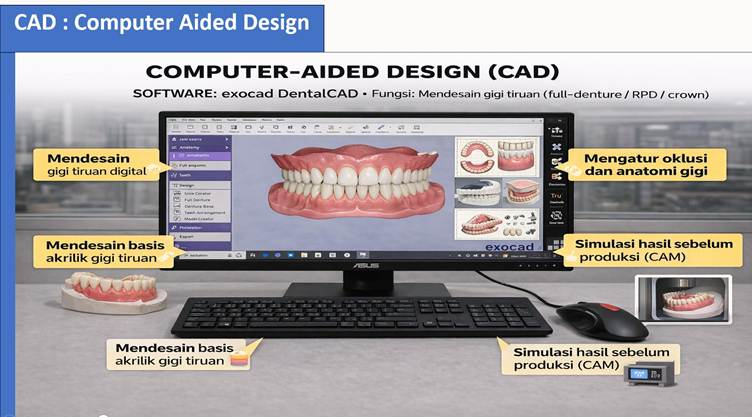
The digital data are then processed through Computer-Aided Design (CAD) and Computer-Aided Manufacturing (CAM) systems, enabling restorations to be produced automatically with high levels of accuracy.
“With IOS, we can reduce distortions that frequently occur with traditional impression methods. The data can also be transmitted and processed in real time, accelerating the entire workflow,” the speaker explained.
Improved Efficiency and Patient Experience
Digitalization affects not only technical aspects, but also service efficiency. Many laboratory stages can be reduced, shortening treatment time considerably.
“Patients no longer need to undergo lengthy and uncomfortable procedures. Clinical visits can be reduced, while the outcomes become even more predictable,” she added.
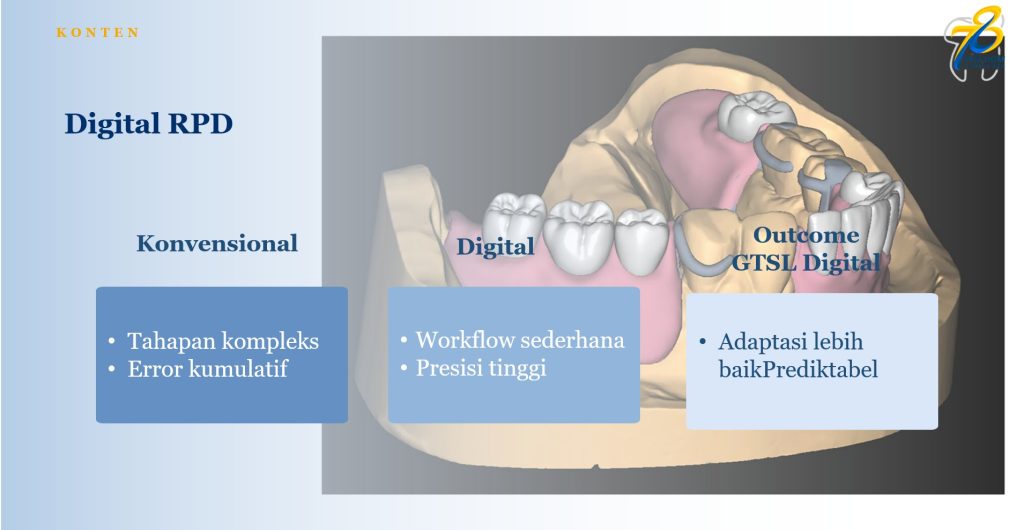
In the fabrication of removable partial dentures and complete dentures, digital systems also enable automatic analyses such as undercut evaluation, optimal insertion pathways, and occlusal simulation. This results in better adaptation and fewer clinical adjustments.
Modern Materials and High Success Rates
These advancements are supported by modern digital materials such as zirconia ,lithium disilicate, and 3D printing-based resins. These materials offer both high strength and more natural aesthetics.
As a result, treatment success rates (survival rates) have reportedly exceeded 95 percent.
“Today’s digital materials are not only mechanically strong, but also aesthetically superior. They answer patients’ increasing demands for high-quality treatment outcomes,” Prof. Titik stated.
Investment and Human Resource Adaptation
Despite its promise, digital transformation is not without obstacles. High initial investment costs, intensive training requirements, and technological learning curves remain major challenges for clinics.
“Digitalization requires commitment, both financially and in terms of human resources. It cannot happen instantly—it must be implemented gradually,” she stressed.
However, behind these challenges lie enormous opportunities. Time efficiency can increase clinical capacity, while digital documentation opens opportunities for better analysis and evaluation.
Implementation Strategies: Gradual and Measured
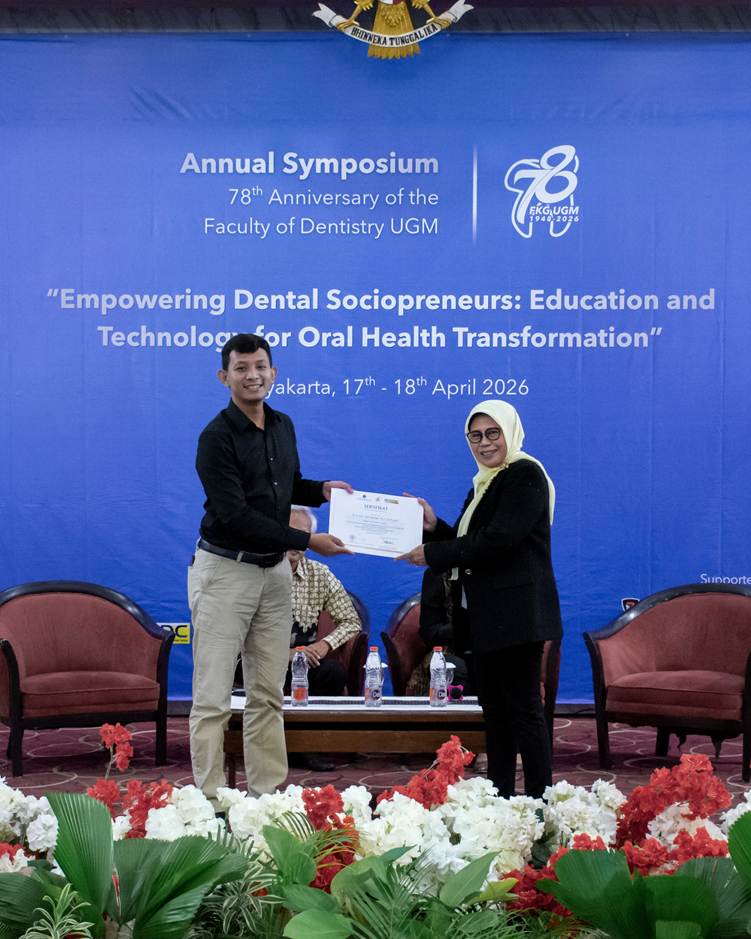
To adopt this technology, clinics are advised to proceed gradually, beginning with intraoral scanner implementation, followed by team training and the development of integrated digital workflows connected with laboratories.
“The main focus should be clinical value and return on investment. Do not adopt technology merely to follow trends—ensure that it truly improves service quality,” Prof. Titik concluded.
Digital transformation in dentistry is no longer an option, but a necessity. Clinics capable of adapting to technological developments will remain relevant, while those left behind risk losing competitiveness in an increasingly demanding field.
Reporter: Andri Wicaksono, S.Sos., M.I.Kom.; Photography: Fajar Budi Harsakti, SE