
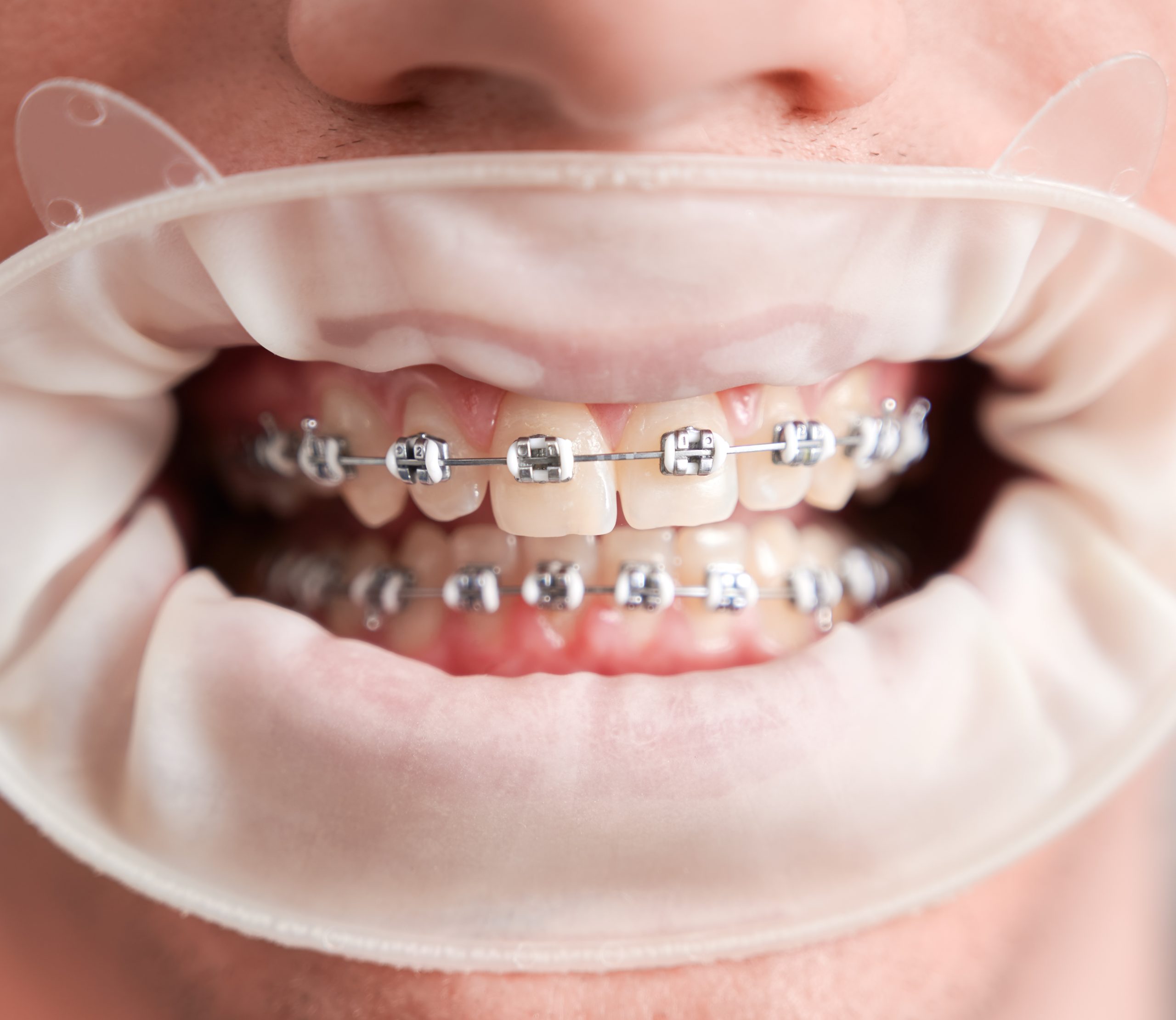
Advances in material technology in orthodontics continue to open new opportunities to improve both the comfort and effectiveness of braces treatment. One of the latest innovations is the use of biocompatible tissue materials that are not only safe for the human body but also support the long-term stability of orthodontic treatment results.
The Problem of Relapse in Orthodontics
One major challenge in braces treatment is relapse—a condition in which teeth shift back to their original positions after braces are removed. This condition often reduces treatment effectiveness and causes patient dissatisfaction.
To address this, materials are needed that can provide good retention while remaining safe for surrounding tissues.
UGM Students’ Innovation: Cuttlefish Shells to Prevent Relapse
In a study conducted by Universitas Gadjah Mada students, a new biomaterial derived from cuttlefish shells was developed for use as orthodontic retainers. The UGM student team—Bondan Setyoko, Aufa Lufhf Ambar Verisandri, Adelia Tantri, and Firda Ayu (Faculty of Dentistry), together with Berliant Salsabila Julieta (Faculty of Mathematics and Natural Sciences)—researched cuttlefish shells as a preventive measure against post-braces relapse. This marks an important step in exploring marine resources as innovative and sustainable dental health materials.
Cuttlefish shells contain high levels of calcium carbonate and natural microporous structures, making them not only biocompatible but also supportive of hard tissue regeneration such as bones and teeth.
Advantages of Biocompatible Materials for Braces
The use of biocompatible materials such as cuttlefish shells offers several advantages, including:
- Do not cause irritation or allergic reactions in oral soft tissues
- Support alveolar bone regeneration, which is crucial for maintaining tooth position
- Environmentally friendly and sustainable, as they are derived from natural resources
- Potential to be developed into retainers that are active and adaptive to mechanical stress
The Future of Orthodontic Technology
Future orthodontic technology will not only focus on the tensile strength and torque of braces wires but also on the ability of materials to interact physiologically with tissues, accelerate adaptation, and maintain long-term treatment results.
***
The development of braces using biocompatible biomaterials marks a new era in modern orthodontics.
Innovations such as the use of cuttlefish shells demonstrate that natural materials can serve as effective and body-friendly solutions to prevent post-treatment dental relapse.
References
Bondan Setyoko, Aufa Lufhf Ambar Verisandri, Adelia Tantri dan Firda Ayu (FKG) serta Berliant Salsabila Julieta (FMIPA), UGM Students Research Cuttlefish Shells to Prevent Dental Relapse After Braces Removal, https://ugm.ac.id/id/berita/21650-mahasiswa-ugm-teliti-cangkang-sotong-untuk-cegah-relaps-gigi-usai-lepas-behel/
Author: Rizky B. Hendrawan | Editor: drg. Aulia Ayub Sp.Ort & Shinta
Photo: Freepik

