
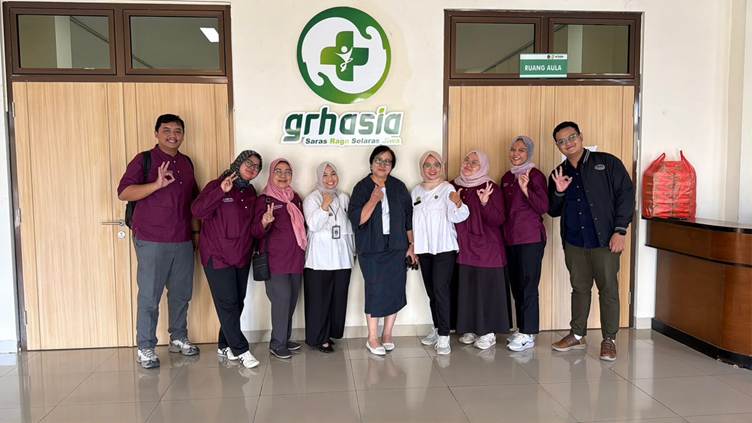
FKG UGM Provides Dental Health Education for Psychogeriatric and Substance Abuse Rehabilitation Patients at Grhasia Hospital
The treatment rooms at Grhasia Mental Hospital (RSJ Grhasia) Yogyakarta became the focus of healthcare workers’ attention that morning—not only because of the patients’ psychological conditions, but also because they encouraged patients to pay attention to something often considered minor yet highly influential to quality of life: oral and dental health. For psychogeriatric patients and those undergoing rehabilitation for narcotics, psychotropic substances, and addictive substances (NAPZA), a healthy smile is in fact an important part of the recovery process that is often overlooked.
This awareness became the foundation of the Community Service Programme conducted by the Faculty of Dentistry, Universitas Gadjah Mada (FKG UGM) at RSJ Grhasia, Sleman, on Wednesday (17 June 2026). Through dental and oral health education as well as screening activities, the FKG UGM team sought to reach groups of people who face complex and overlapping health challenges.
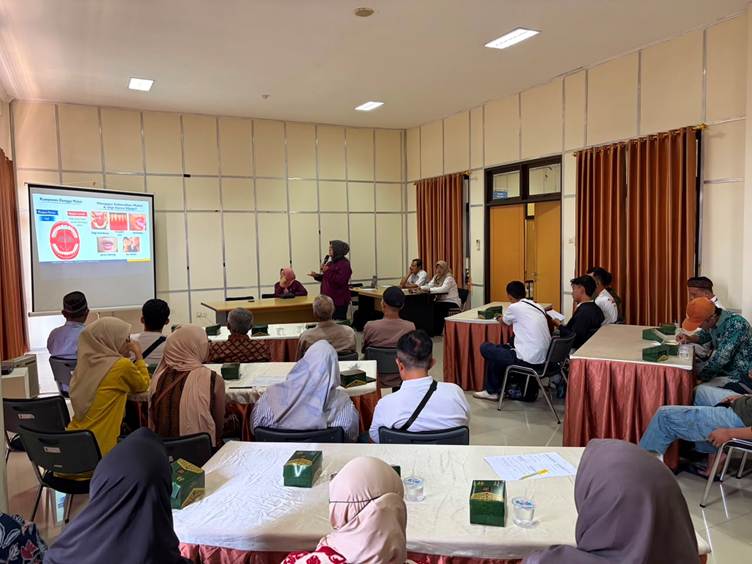
For psychogeriatric patients, oral health issues do not occur in isolation. Declining cognitive function, physical limitations, and behavioural disorders often make it difficult for them to maintain oral hygiene independently. This situation is further complicated by long-term use of psychiatric medications, which may cause xerostomia or dry mouth, increasing the risk of tooth decay and other oral diseases.
Meanwhile, patients undergoing NAPZA rehabilitation face similarly significant challenges. A history of substance use, unhealthy lifestyles, and limited attention to personal health make this group vulnerable to various dental and oral health problems.
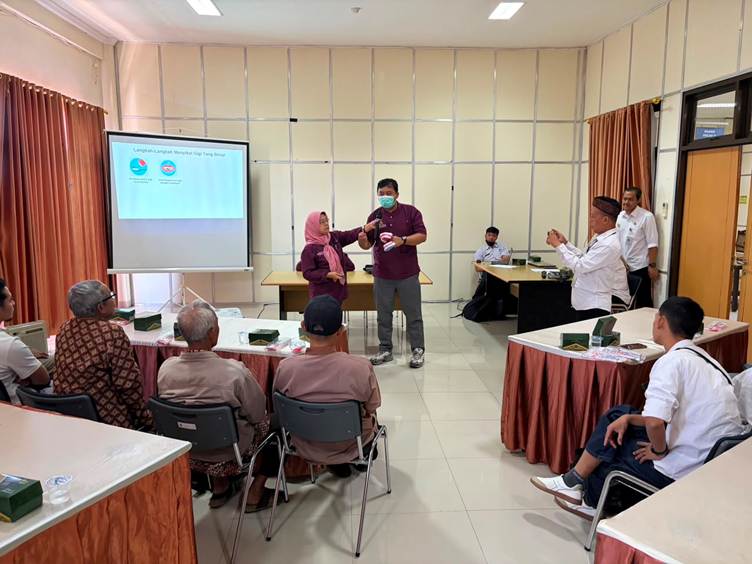
From a public health perspective, these conditions demonstrate a healthcare gap that needs to be addressed. Mental health and rehabilitation services have traditionally focused primarily on psychological recovery and substance dependency treatment, while dental and oral health has often received less attention.
Therefore, the activities conducted at the Drupadi Psychogeriatric Ward and Abimanyu NAPZA Rehabilitation Ward were not limited to providing health education. The FKG UGM team also conducted oral examinations to identify potential dental problems at an early stage. Through educational sessions and interactive discussions, participants were encouraged to understand the importance of maintaining oral hygiene and recognise the effects that certain medications may have on oral health.
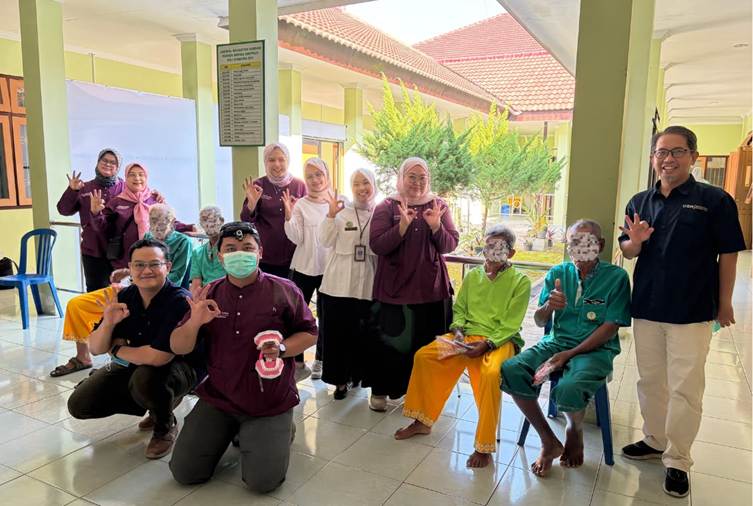
The Head of the Department of Oral Medicine at FKG UGM, drg. Hendri Susanto, M.Kes., Ph.D., Sp.PM, welcomed the collaboration. According to him, a comprehensive healthcare approach is essential for patients with psychosocial disorders and those undergoing NAPZA rehabilitation.
"Patient health cannot be separated into independent components. Oral health also affects patients’ comfort, nutrition, communication, and even self-confidence. Therefore, we greatly appreciate this activity as part of efforts to improve patients’ overall quality of life," he said.
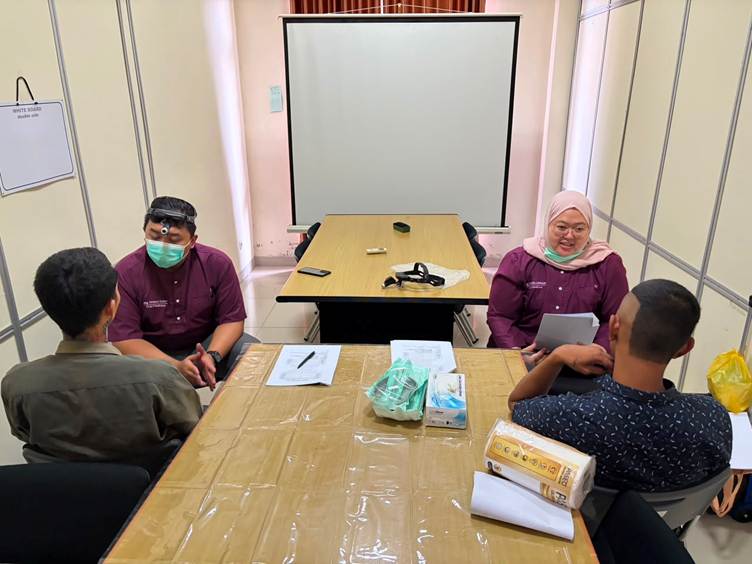
Furthermore, the programme also served as a valuable learning opportunity for the academic community of FKG UGM. Direct interaction with psychogeriatric and NAPZA rehabilitation patients provided deeper insight into the relationship between oral health, mental health, and patients’ social conditions. The clinical experience gained at RSJ Grhasia was considered important in enriching the understanding of future dentists in managing patients with special healthcare needs.
Amid growing attention towards mental health in Indonesia, this initiative demonstrates that recovery is not solely about psychological therapy or rehabilitation from substance dependency. Recovery also includes fundamental aspects that influence a person's dignity and quality of life, including the ability to smile without pain.
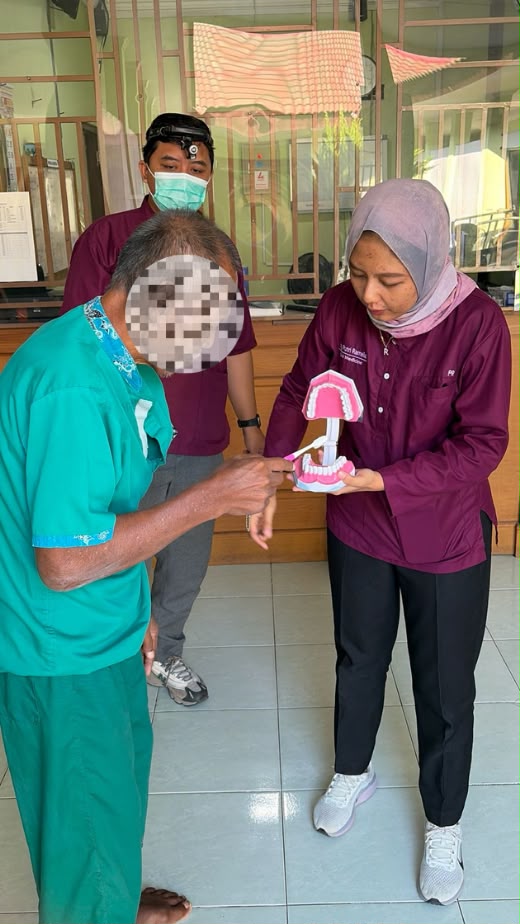
The collaboration between FKG UGM and RSJ Grhasia demonstrates how educational institutions and healthcare facilities can work together to reach vulnerable groups who are often overlooked in mainstream dental and oral healthcare services.When education, compassion, and a human-centred approach work together, healthcare becomes more than simply treating disease—it becomes a way of bringing hope to those who are striving to recover.
Contributor: drg. Kadek Gede Putra Wibawa, MDSc, Editor: Andri Wicaksono, S.Sos., M.I.Kom