
FKG UGM Reminds: Technological Progress Must Never Come at the Expense of Human Dignity
The healthcare sector is entering a new era of rapid transformation. Artificial Intelligence (AI) is increasingly assisting physicians in making diagnoses, genetic engineering is creating opportunities to treat diseases once considered incurable, and millions of digital medical records have become a "goldmine" for health research.
Amid the excitement surrounding these innovations, however, a fundamental question has become increasingly urgent: Who protects people as science advances at an unprecedented pace?
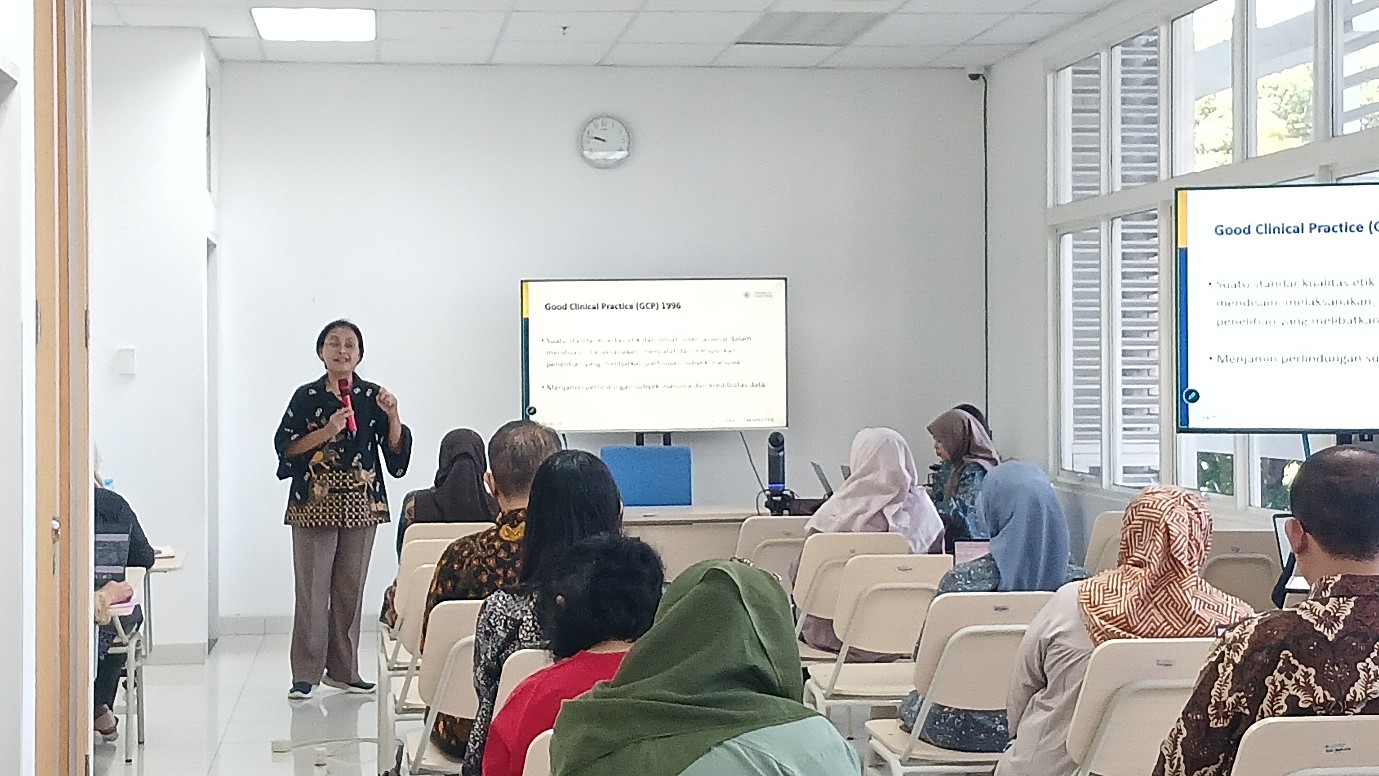
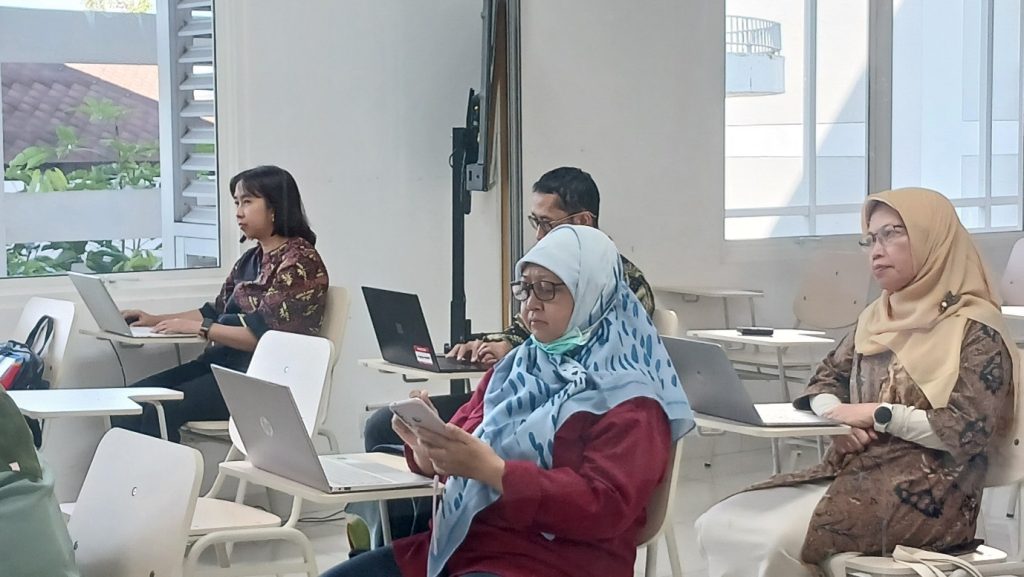
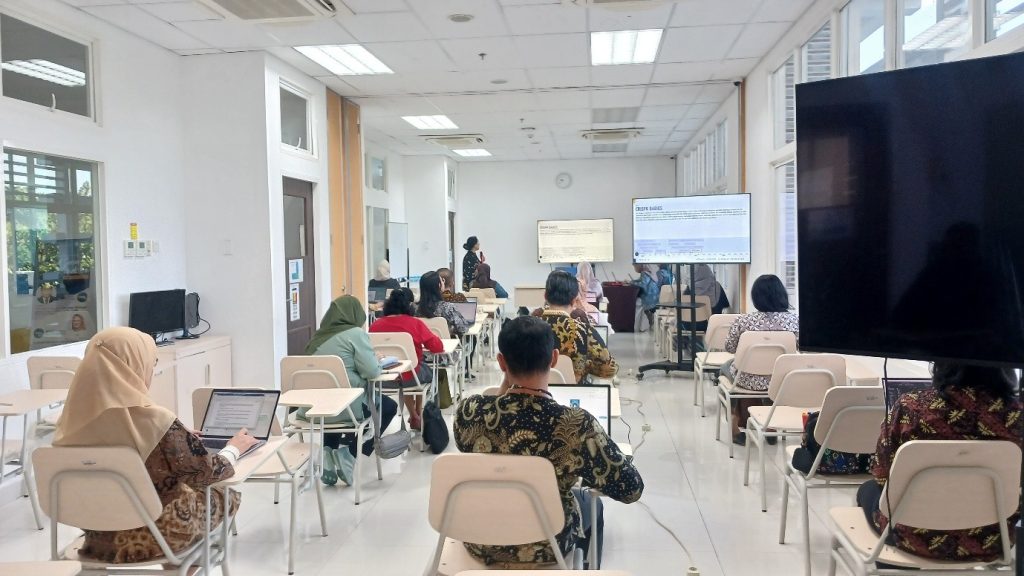
This question served as the starting point for the Health Research Ethics Scientific Lecture organized by the Faculty of Dentistry, Universitas Gadjah Mada (FKG UGM), on Monday (30 June) at the Dental Learning Center. Featuring Prof. dr. Madarina Julia, Sp.A(K), MPH., Ph.D., Chair of the Medical and Health Research Ethics Committee of the Faculty of Medicine, Public Health, and Nursing (FK-KMK UGM), the forum went beyond discussing ethical procedures. Instead, it encouraged members of the academic community to revisit the moral foundations that should underpin every health research endeavor.
Amid the rapid advancement of medical technology, Prof. Madarina emphasized that increasingly sophisticated research methods must never displace human beings as the central focus of all scientific inquiry.
"Advances in healthcare technologies such as Artificial Intelligence (AI), genome editing, genetic research, and the use of social media in research must be accompanied by the proper application of research ethics. Scientific progress must never compromise the protection of the rights, safety, privacy, and dignity of research participants," she stressed.
Her remarks were not merely a normative reminder. Rather, they stemmed from the medical world's long history of painful lessons, when scientific ambition outweighed humanitarian values.
Learning from Historical Tragedies
Many advances in medical science have been built upon tragedies that should never have occurred.
Prof. Madarina invited participants to reflect on several ethical violations that have since become important lessons for the global scientific community. These included yellow fever studies in which individuals were deliberately infected, resulting in fatalities; the Tuskegee Syphilis Study, where hundreds of patients were left untreated for decades; research involving orphaned children and individuals with intellectual disabilities; medical experiments conducted on prisoners of war; and the use of biological data without the owners' consent.
All of these cases reveal the same pattern: human beings were treated as experimental objects rather than individuals with the right to determine their own future.
Ironically, many of these studies were regarded as scientific achievements at the time.
Only years later did the global community recognize that science without ethical principles can give rise to new forms of injustice.
Informed Consent Must Never Become a Mere Formality
In modern research practice, one ethical issue that is still widely misunderstood is informed consent.
Masih banyak yang menganggapnya sekadar formulir yang harus ditandatangani sebelum penelitian dimulai.
Many continue to regard it as nothing more than a form that participants must sign before a study begins. According to Prof. Madarina, however, informed consent is fundamentally a communication process that ensures participants fully understand the purpose of the research, its potential benefits and risks, available alternatives, and their right to refuse participation or withdraw from the study at any time without any pressure.
"Informed consent is not merely an administrative document; it is an expression of respect for human autonomy." This remained one of the central messages emphasized throughout the lecture.
Researchers must therefore ensure that information is communicated in language participants can easily understand, allow sufficient time for prospective participants to consider their decision, and guarantee that consent is given voluntarily without coercion or undue inducement.
When AI Becomes the New Researcher
The ethical challenges facing research today extend far beyond clinical trials and new pharmaceutical treatments.
The era of artificial intelligence presents far more complex issues.
AI algorithms can analyze millions of medical records within a short period, identify disease patterns, and even predict an individual's risk of developing certain conditions.
These capabilities promise to revolutionize healthcare.
At the same time, however, they raise new questions concerning data ownership, patient privacy, genetic data security, and the possibility of algorithmic bias that could discriminate against certain groups within society.
Prof. Madarina therefore emphasized that the use of health data must remain subject to the same ethical standards that govern conventional clinical research.
"The use of medical records must protect patient confidentiality, and every research project conducted in Indonesia must obtain ethical clearance from an Indonesian ethics committee, including collaborative research involving overseas institutions," she explained.
Her message is becoming increasingly relevant as international research collaborations continue to expand.
In this era of global data exchange, safeguarding the rights of research participants must not stop at national borders.
Ethics Committees Are Not Barriers to Innovation
Among many early-career researchers, obtaining ethical clearance is still often perceived as a bureaucratic hurdle that slows research progress.
According to Prof. Madarina, however, the role of ethics committees is precisely to ensure that research is conducted in a manner that is both scientifically sound and ethically responsible.
Through protocol review, ethics committees evaluate the scientific rationale of proposed studies, methodological validity, the balance between risks and benefits, protections for vulnerable populations, and the quality of informed consent documents. Once research begins, oversight continues through progress reports, protocol amendment reviews, reports of serious adverse events, and site visits when necessary.
In other words, ethical clearance is not simply an approval stamp but an ongoing protection mechanism throughout the entire research lifecycle.
Three Timeless Principles
Despite the rapid pace of technological change, Prof. Madarina emphasized that the ethical foundations of research remain unchanged.
Whether involving clinical trials, artificial intelligence, genetic engineering, or digital data analysis, all health research continues to be guided by the three principles of the Belmont Report: Respect for Persons, Beneficence, and Justice.
The first principle recognizes every individual as an autonomous person with the right to make their own decisions.
The second requires researchers to maximize benefits while minimizing potential risks.
The third ensures that both the benefits and burdens of research are distributed fairly, without exploiting vulnerable groups such as children, older adults, economically disadvantaged communities, persons with disabilities, or minority populations.
Preserving Public Trust
Ultimately, the quality of health research should not be measured solely by the number of international publications produced or the amount of research funding secured.
More importantly, research quality is measured by the extent to which society continues to trust that science serves to protect people rather than exploit them.
The scientific lecture organized by FKG UGM served as an important reminder that amid the race to produce innovation, ethics remains the final safeguard guiding the direction of scientific progress.
History has repeatedly demonstrated that when research loses its moral compass, technological advancement can become a threat to humanity.
Conversely, when scientific integrity goes hand in hand with respect for human rights, research not only generates new knowledge but also strengthens public trust—the most valuable foundation for the future advancement of health sciences.
Reporter: Nanda Ayu, Photographer: Nanda Ayu, Editor: Andri Wicaksono