
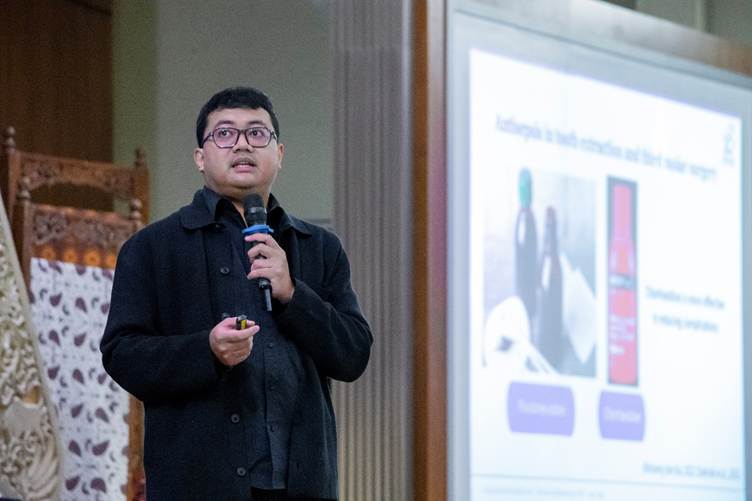
The routine practice of prescribing antibiotics after tooth extraction is increasingly being questioned. Several recent studies indicate that the benefits of antibiotics in preventing post-extraction complications are not proportional to the long-term risk of antibiotic resistance. This issue emerged during a scientific forum titled “Rethinking Post-Extraction Care: Toward Antibiotic-Sparing Protocols in Dentistry”, presented by Muhammad Reza Pahlevi, which highlighted the need for a paradigm shift in modern dental practice.
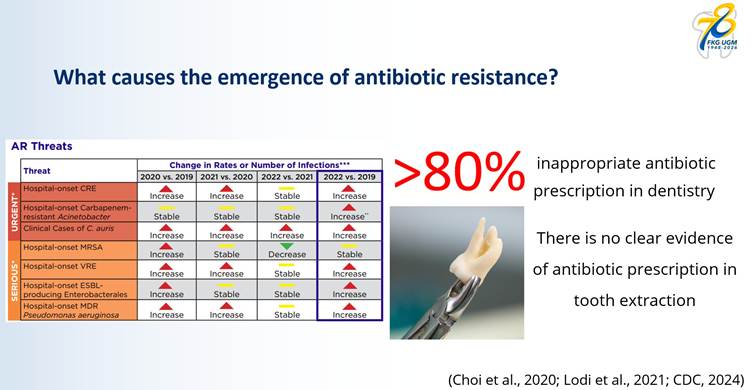
Between Infection Risk and the Threat of Resistance
For years, antibiotics have frequently been prescribed as a preventive measure after tooth extraction, especially following third molar (wisdom tooth) surgery. However, scientific evidence shows no significant benefit in accelerating wound healing or preventing complications.
“Many dentists still prescribe antibiotics not because of strong clinical indications, but due to habit and concerns about infection,” said Nandika Desta.
According to various studies (Choi et al., 2020; Lodi et al., 2021), post-extraction infection is not a universal phenomenon. Risks such as alveolar osteitis (dry socket), pain, edema, and trismus do exist, but they do not always require systemic antibiotic intervention.
Moreover, inappropriate antibiotic use accelerates bacterial resistance, a global threat that has become a major concern in healthcare.
“When antibiotics are used without clear indications, bacteria adapt. From tolerance, they evolve into resistance. This is no longer an individual issue, but a public health crisis,” emphasized Drg. Reza.
New Evidence: Antiseptics Are More Effective
As an alternative, antiseptic-based approaches—particularly the use of chlorhexidine (CHX)—have emerged as safer and more effective solutions.
Clinical studies showed that patients using chlorhexidine experienced:
- Better wound healing on the first and seventh postoperative days
- Significant reductions in inflammatory markers such as IL-6 and CRP
- Lower incidence of alveolar osteitis compared to control groups
“Chlorhexidine works locally, suppressing bacterial load without triggering resistance like systemic antibiotics,” explained drg. Reza.
These findings were reinforced by a recent meta-analysis (Pahlevi et al., 2026), which demonstrated that chlorhexidine effectively prevents postoperative complications even without antibiotic use.
Challenges in Practice: Habits and Expectations
Despite increasingly strong scientific evidence, implementing “antibiotic-free” approaches still faces several obstacles.
First, national clinical guidelines have not fully adopted this strategy. Second, many patients still consider antibiotics to be “mandatory medicine” after procedures. Third, psychological concerns among practitioners regarding potential complications remain influential.
Changing clinical practice requires more than scientific evidence alone. Education is needed for both healthcare professionals and patients.
Toward a New Paradigm
Researchers emphasized that antibiotic prescriptions should be based on individual risk assessments rather than routine practice.
The main recommendations highlighted include:
- Evaluating risk factors before prescribing antibiotics
- Prioritizing local interventions such as antiseptics
- Avoiding antibiotics when there is no clear indication
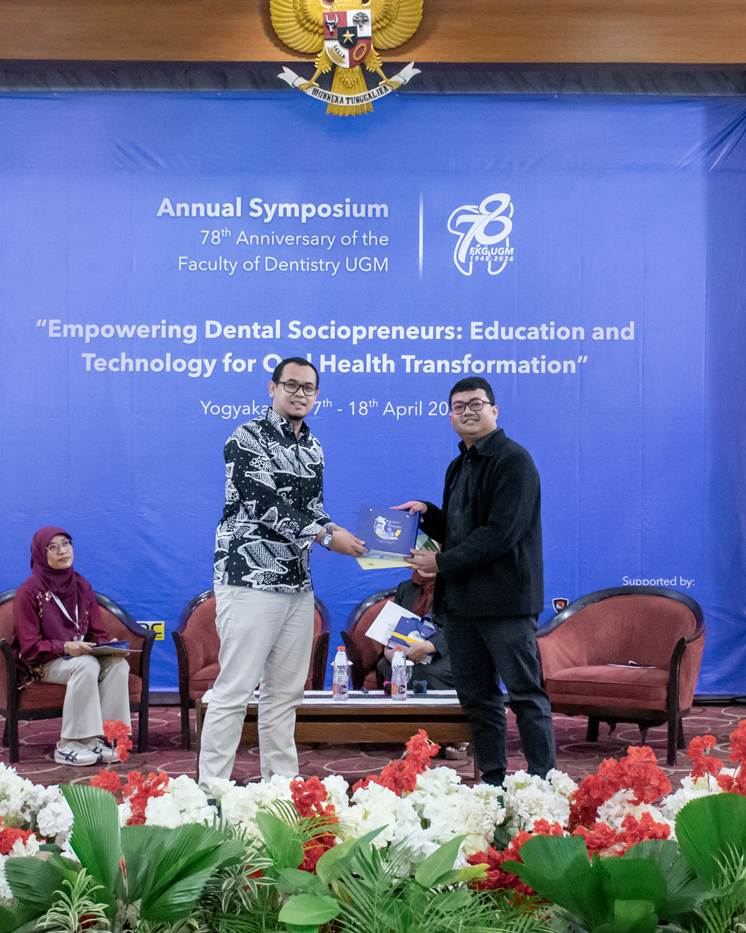
The paradigm shift in post-extraction care has become increasingly necessary amid the growing threat of antibiotic resistance. Scientific evidence now points toward a more rational, safer, and sustainable approach.
If previous practices relied heavily on antibiotic prevention, the future of dentistry appears to be moving toward a more precise principle: evidence-based care, minimal systemic intervention, and greater focus on local therapy.
(Reporter: Andri Wicaksono, S.Sos., M.I.Kom.; Photography: Fajar Budi Harsakti, SE)