
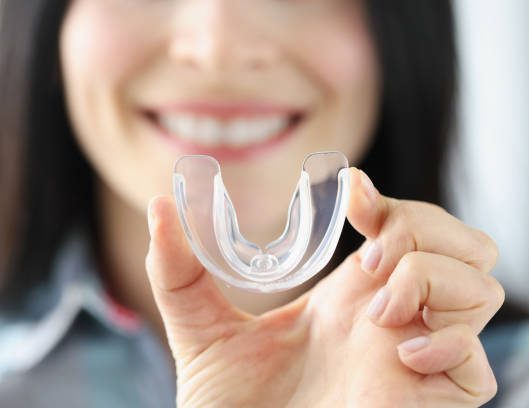
Bruxism, or the habit of grinding teeth during sleep, is a condition often unnoticed by those who suffer from it. This habit can cause various dental health problems, such as enamel wear, jaw pain, headaches, and sleep disturbances. One effective method to manage bruxism is using a dental guard, a protective device designed to prevent direct contact between upper and lower teeth during sleep.
Causes and Effects of Bruxism
Bruxism can be triggered by several factors including stress, anxiety, sleep disorders, and occlusal imbalance or misalignment of teeth. Research conducted by FKG UGM student Hevy Nurwindasari, along with Dr. drg. Indra Bramanti, M.Sc., Sp.KGA(K) and drg. Ignatius Sulistyo Jatmiko, M.Kes., Sp.KGA. , found that the prevalence of bruxism increased among school-aged children during the COVID-19 pandemic. This highlights the importance of early detection and proper treatment to prevent long-term impacts on oral health. The condition indicates that bruxism affects not only adults but also children and adolescents.
If left untreated, bruxism can lead to serious problems such as damage to tooth structure, facial muscle pain, temporomandibular joint (TMJ) disorders, and sleep disturbances that can affect overall quality of life. Therefore, effective solutions are needed to prevent these adverse effects.
The Role of Dental Guards in Managing Bruxism
A dental guard is one of the primary solutions to manage bruxism. It works by creating a protective barrier between the upper and lower teeth, reducing pressure and friction during sleep. Key benefits of using a dental guard include:
- Preventing Tooth Damage : By reducing direct contact between upper and lower teeth, it helps prevent enamel wear caused by continuous grinding.
- Reducing Jaw and Facial Muscle Pain : Bruxism causes tension in the jaw and facial muscles; the dental guard helps relieve this pressure, reducing pain and discomfort. 3.
- Improving Sleep Quality : By minimizing teeth grinding activity, the dental guard can enhance sleep quality for both the bruxism sufferer and their bed partner who may be disturbed by the grinding sounds.
- Preventing TMJ Disorders : Untreated bruxism can lead to temporomandibular joint problems, causing pain and difficulty in mouth movements. The dental guard helps reduce joint pressure and prevents such complications.
***
By understanding the causes, impacts, and solutions for bruxism, we can take appropriate preventive steps to maintain dental health and quality of life. Using a dental guard is an effective method to reduce the risk of tooth damage and jaw disorders caused by nighttime teeth grinding. However, consultation with a dentist is essential to obtain accurate diagnosis and appropriate treatment. Proper management of bruxism not only benefits oral health but also aligns with several Sustainable Development Goals (SDGs), including SDG 3 (Health), SDG 4 (Education), and SDG 12 (Responsible Consumption and Production).
References
Hevy Nurwindasari, Dr. drg. Indra Bramanti, M.Sc., Sp.KGA(K), drg. Ignatius Sulistyo Jatmiko, M.Kes., Sp.KGA., Prevalence of Bruxism in Children Aged 12-15 During the COVID-19 Pandemic (A Study on Junior High School Students in Yogyakarta Using a Questionnaire Approach), https://etd.repository.ugm.ac.id/penelitian/detail/219784
Author: Rizky B. Hendrawan | Editor: Shinta
Photo: Freepik

