
The management of dentocraniofacial disharmony cases, particularly cleft lip and jaw abnormalities, has entered a new era that is more precise and integrated. Modern interdisciplinary approaches are considered capable of significantly improving patients’ quality of life, both functionally and aesthetically.
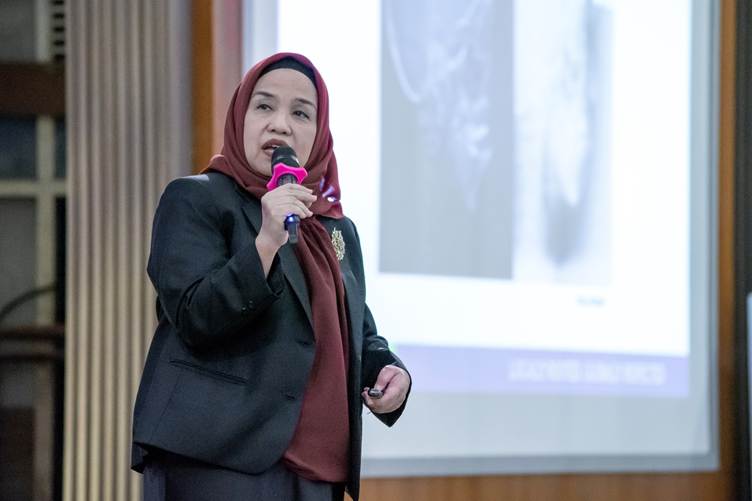
This issue emerged during a scientific presentation titled Modern Clinical Solutions in Dentocraniofacial Disharmony: Selected Cases of Cleft Lip Palate and Orthognathic Surgery by Dr. drg. Cendrawasih Andusyana Farmasyanti, M.Kes.Sp.Ort(K) which highlighted the importance of integrated treatment between orthodontics and orthognathic surgery during the 78th Anniversary Symposium of FKG UGM.
“Orthodontic treatment is an integral component of interdisciplinary care for patients with cleft lip and palate (CLP),” said Drg. Tantan, as she is commonly known.
Complex Challenges from Birth
Cleft lip and palate (CLP) are congenital defects caused by failure in facial structure formation during pregnancy. The condition affects not only appearance, but also feeding, speech, and psychosocial well-being.
Clinically, cleft lip occurs during the sixth week of pregnancy due to failure of fusion between nasal and jaw structures, while cleft palate develops approximately two weeks later. Without comprehensive treatment, patients face the risk of long-term complications.s
However, modern approaches offer new hope. “Proper treatment can improve the quality of life for most children,” as explained in the presentation materials.
Data Show Limited Specialist Referrals
Despite ongoing advances in technology and treatment methods, implementation in practice still faces challenges. Data from 2022 showed 296 patient visits for cleft lip cases, yet approximately 39.9% did not receive referrals for advanced specialist care.
This directly affects treatment outcomes. Many patients undergo only primary surgery without continuing orthodontic therapy, speech rehabilitation, or additional procedures.
“Patients often receive only primary corrective surgery from surgeons, while other aspects such as orthodontics and speech therapy are neglected, resulting in less optimal outcomes,” the presentation cited from previous studies.
The causes vary, ranging from lack of patient awareness to economic limitations.
Team-Based Approaches as the Solution
Experts emphasized that CLP management cannot be carried out partially. A multidisciplinary team involving various specialties is required, including orthodontists, oral surgeons, pediatricians, nutritionists, and psychologists.
“An interdisciplinary approach enables faster diagnosis, greater precision, and more predictable outcomes,” explained Farmasyanti.
An ideal CLP team includes: Dental specialists (orthodontics, oral surgery, prosthodontics), Medical specialists (genetics, ENT, pediatrics, plastic surgery) , and Supporting healthcare professionals (psychologists, speech therapists, social workers)
This approach even begins during pregnancy through early detection using ultrasonography and continues with long-term care throughout childhood and adolescence.
The Role of Technology and Orthognathic Surgery
In more complex cases, such as severe malocclusion or jaw imbalance, a combination of orthodontics and orthognathic surgery becomes the primary treatment choice. These procedures generally last 18–24 months with structured stages ranging from planning to postoperative care.
Digital technology also plays a major role in improving diagnostic accuracy and treatment planning. Radiographic analysis, 3D imaging, and surgical simulation are now part of modern treatment standards.
Real Impact on Patients
The outcomes of this approach are not merely cosmetic, but also functional. Patients experience improvements in: Occlusion (bite), Speech ability, Chewing function, and Facial balance
“Integrated orthodontic, surgical, and specialist approaches can restore facial harmony, function, and long-term stability,” emphasized Drg. Tantan.
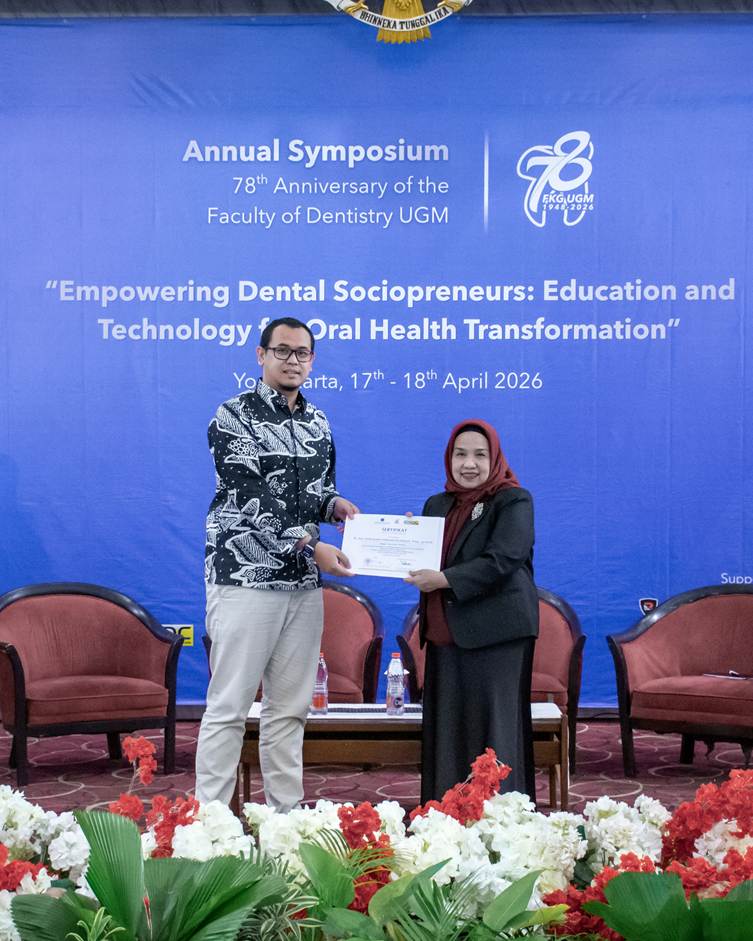
The transformation in cleft lip and jaw disorder management demonstrates that collaboration is the key. Without interdisciplinary coordination, treatment outcomes risk being suboptimal.
Moving forward, patient education, expanded access to services, and stronger referral systems will be crucial to ensure that every patient receives comprehensive and sustainable care.
With the right approach, conditions once considered highly complex can now be managed effectively, opening broader opportunities for patients.
Reporter: Andri Wicaksono, S.Sos., M.I.Kom.; Photography: Fajar Budi Harsakti, SE