
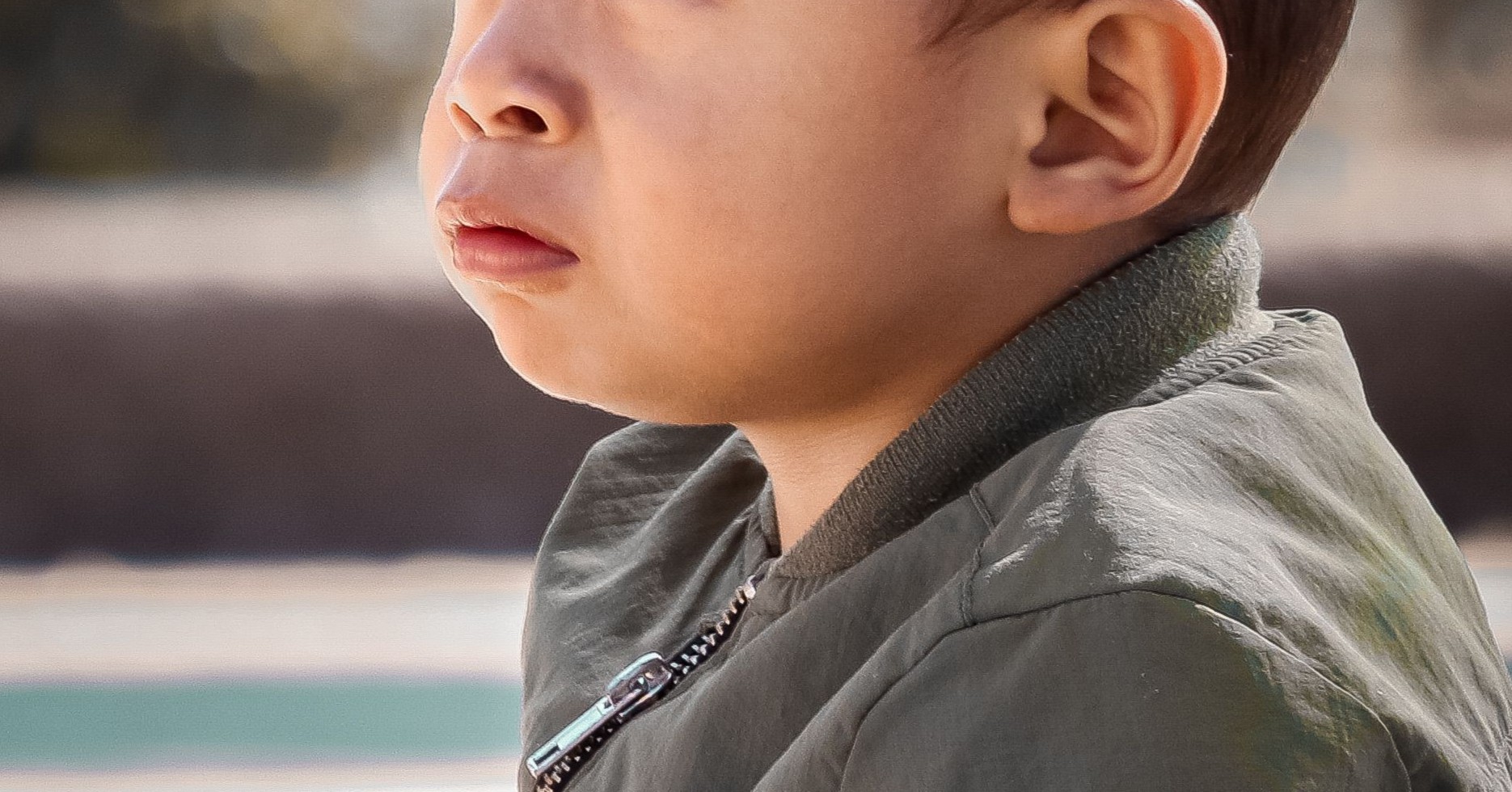
Imagine a child sitting quietly, watching television, with their mouth naturally hanging open without realizing it. Not because they are talking, nor because they are surprised. Their lips simply cannot close completely at rest. This condition is not merely a bad habit, but a clinical problem known as lip incompetence (LI), which can quietly alter the way a child breathes, swallows, and even develops facial structures.
A review article published in the Journal of International Dental and Medical Research (2024) by a research team from the Department of Pediatric Dentistry, Faculty of Dentistry, Universitas Gadjah Mada, including drg. Putri Kusuma Wardani Mahendra, M.Kes., Sp.KGA., presents findings that deserve wider attention: prefabricated orofacial myofunctional appliances (OMAs) have been clinically proven to improve lip-closing strength in children, with significant results achieved after only one to four months of use.
One in Three Children May Experience It
The prevalence of LI among children aged 3 to 12 years reaches approximately 30.7 percent, and this figure increases with age. The condition occurs when the upper and lower lips remain separated by three to four millimeters at rest, meaning that the mouth never fully closes.
The consequences are far from trivial. Children with LI tend to shift from nasal breathing to mouth breathing, which can cause the oral cavity to become dry. Over the long term, this condition may contribute to periodontal disease and gingivitis. Furthermore, an imbalance in pressure between the lips and tongue can push the upper front teeth into an unfavorable position, increase overjet, and even narrow the upper dental arch. According to studies cited in this review, prolonged open-mouth posture significantly inhibits the growth of the upper dental arch and affects overall craniofacial development.
A definitive diagnosis of LI in dental practice is made by measuring Lip Closure Strength (LCS), which refers to the force required to keep the lips closed. The lower the LCS value, the weaker the ability of the lips to close tightly.
Three Appliances, One Goal
The research team, led by drg. Anrizandy Narwidina and involving drg. Putri Kusuma Wardani Mahendra, M.Kes., Sp.KGA., along with several colleagues at the Faculty of Dentistry, Universitas Gadjah Mada, reviewed literature from PubMed and manual searches covering the period from 1980 to 2023. Of the 401 articles screened, seven studies demonstrated significant results (p<0.001) for three main types of prefabricated OMA: Oral Screen, Lip Trainer Patakara®, and Lipple Trainer® from SHOFU Inc., Japan.
The Lipple Trainer® works through two types of pulling exercises. In type A, the appliance is pulled for five seconds followed by five seconds of rest, repeated five times. In type B, the appliance is pulled for three seconds followed by three seconds of rest, repeated ten times from three different positions at the corners of the lips. After three months, significant increases in LCS were recorded in three age groups: children aged 3–6 years experienced an increase of 6.2 to 11.4 Newtons, the 7–9-year-old group increased from 7.9 to 12.8 Newtons, and the 10–12-year-old group increased from 6.8 to 11.4 Newtons.
Patakara® works differently but with the same goal: applying direct resistance to the lip muscles, particularly the orbicularis oris and buccinator muscles. In the cited study, using the appliance for two months at a frequency of five minutes twice a day resulted in an average increase in LCS of 4.1 Newtons. Interestingly, the appliance was also shown to improve the Apnea-Hypopnea Index (AHI) and peripheral oxygen saturation (SpO2) during sleep, indicating that the children's breathing and sleep quality also improved.
The Oral Screen, the oldest of the three appliances, is used for ten minutes twice a day. In addition to significantly increasing LCS, the appliance was also shown to vertically lengthen the upper and lower lips, reduce the interlabial gap, and even increase the width of the intermolar arch.
A Mechanism That Reshapes the Muscles
The physiological mechanism behind the success of these OMAs is intriguing. When the appliance is used, muscle fibers in the mandibular protractor muscles are stretched. During the resting phase, the diameter of the blood vessels decreases, blood flow is reduced, and lactic acid accumulates, causing muscle fatigue. However, when the appliance is pulled again, the muscles enter a hypercontraction phase, which instead stimulates increased blood flow. This increased blood flow promotes undifferentiated cells to develop into myoblasts, which subsequently produce new muscle fibers.
“OMA therapy may help improve oral coordination and stability, lip closure, and facial development. OMA may be a treatment option for improvement of LCS in children with LI.” — Narwidina et al., Journal of International Dental and Medical Research, 2024
In other words, lip exercises do more than simply train a habit; they actually help rebuild muscle tissue. Increased lip-closing strength, in turn, helps guide tooth eruption into an ideal position and maintain dental arch stability.
Patient and Parental Cooperation: An Essential Key
The researchers did not overlook the limitations of these findings. When children practice at home without clinical supervision, compliance with appliance use can be difficult to monitor. In the Oral Screen study, for example, only four of seven patients demonstrated significant improvement, and the results were influenced by each child's general and systemic condition.
This means that the effectiveness of OMA therapy does not stand alone. It requires a supportive ecosystem: parents who consistently provide assistance, cooperative children, and healthcare professionals who carefully monitor progress. This therapy is not an instant solution, but rather a medium-term commitment that, when followed with discipline, can meaningfully alter the trajectory of a child's facial growth and development.
Lips that may seem trivial actually play a major role—not only in smiling, but in the entire stomatognathic system that supports how a child eats, breathes, speaks, and grows.
Authors: Nanda Ayu, drg. Achmad Zam Zam Aghasy, M.Kes.
Photo: Pexels