

The Faculty of Dentistry at Universitas Gadjah Mada (FKG UGM) carried out the slaughtering of sacrificial animals by applying halal, hygienic, and ASUH principles (Safe, Healthy, Intact, and Halal) on May 28, 2026, within the FKG UGM premises. During this year’s Eid al-Adha celebration, FKG UGM slaughtered 3 cows and 1 goat.
The Head of the Islamic Communication Forum of FKG UGM, drg. Mohammad Fadyl Yunizar, M.PH., Ph.D., stated that the number of sacrificial animals increased compared to the previous year. Last year, FKG UGM slaughtered 2 cows and 5 goats.
The number of donors also increased from 19 to 22 people. “Alhamdulillah, the number of donors has increased this year. Hopefully, participation from the FKG UGM community in this sacrificial worship will continue to grow in the future,” said Fadyl.
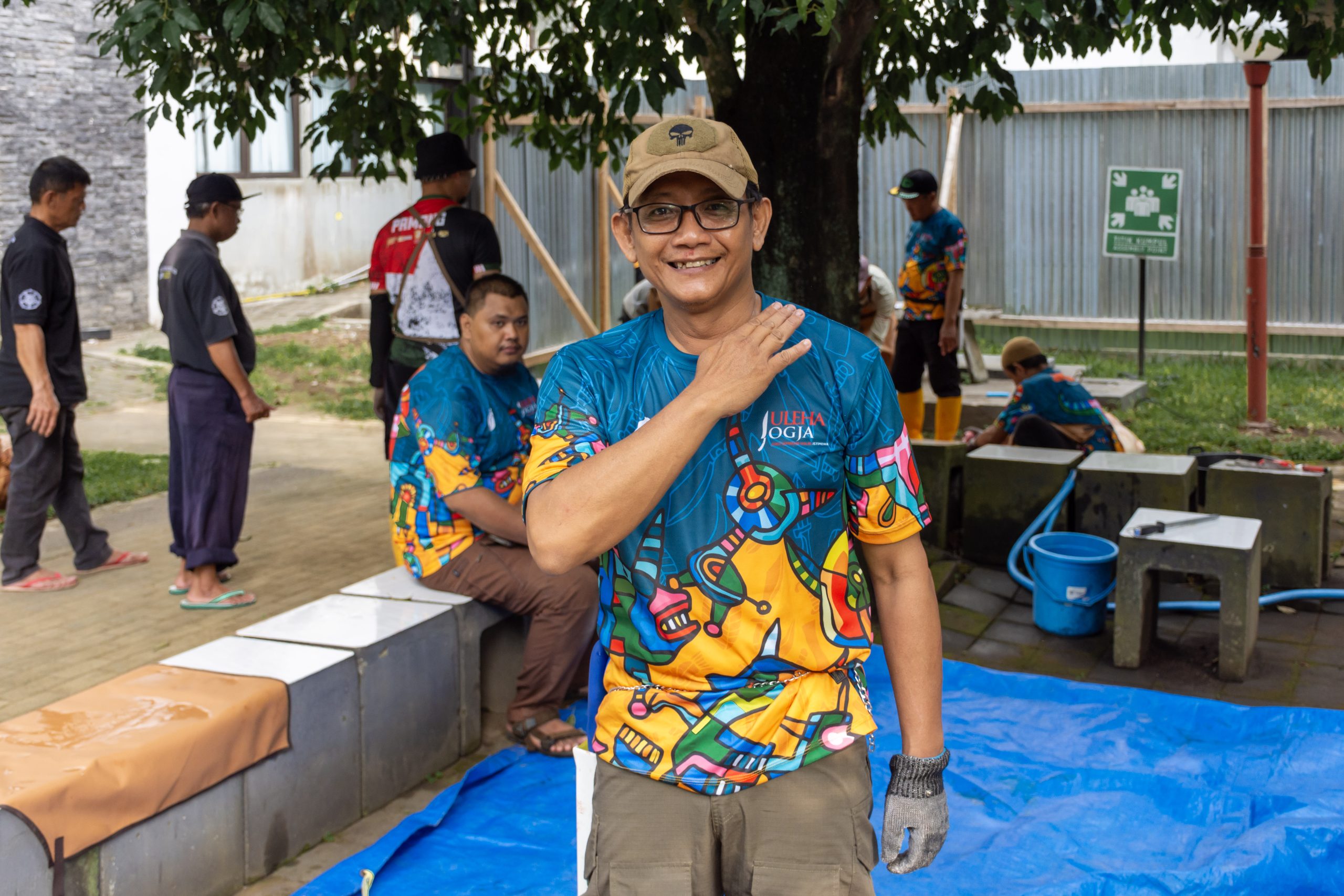
In its implementation, FKG UGM collaborated with the Halal Slaughterers Association (Juleha) of Yogyakarta to ensure that the slaughtering process complied with Islamic law while maintaining food safety standards.
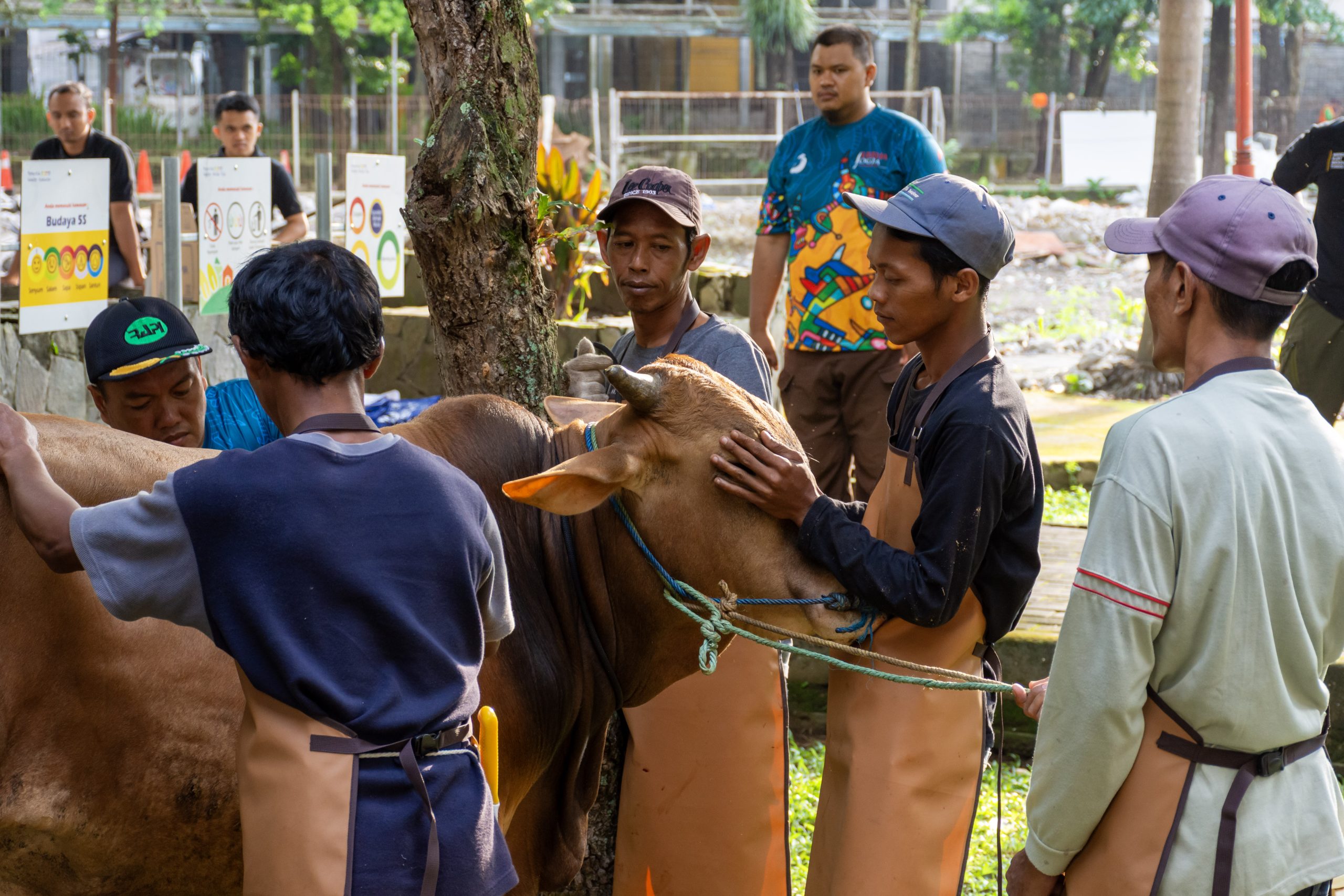
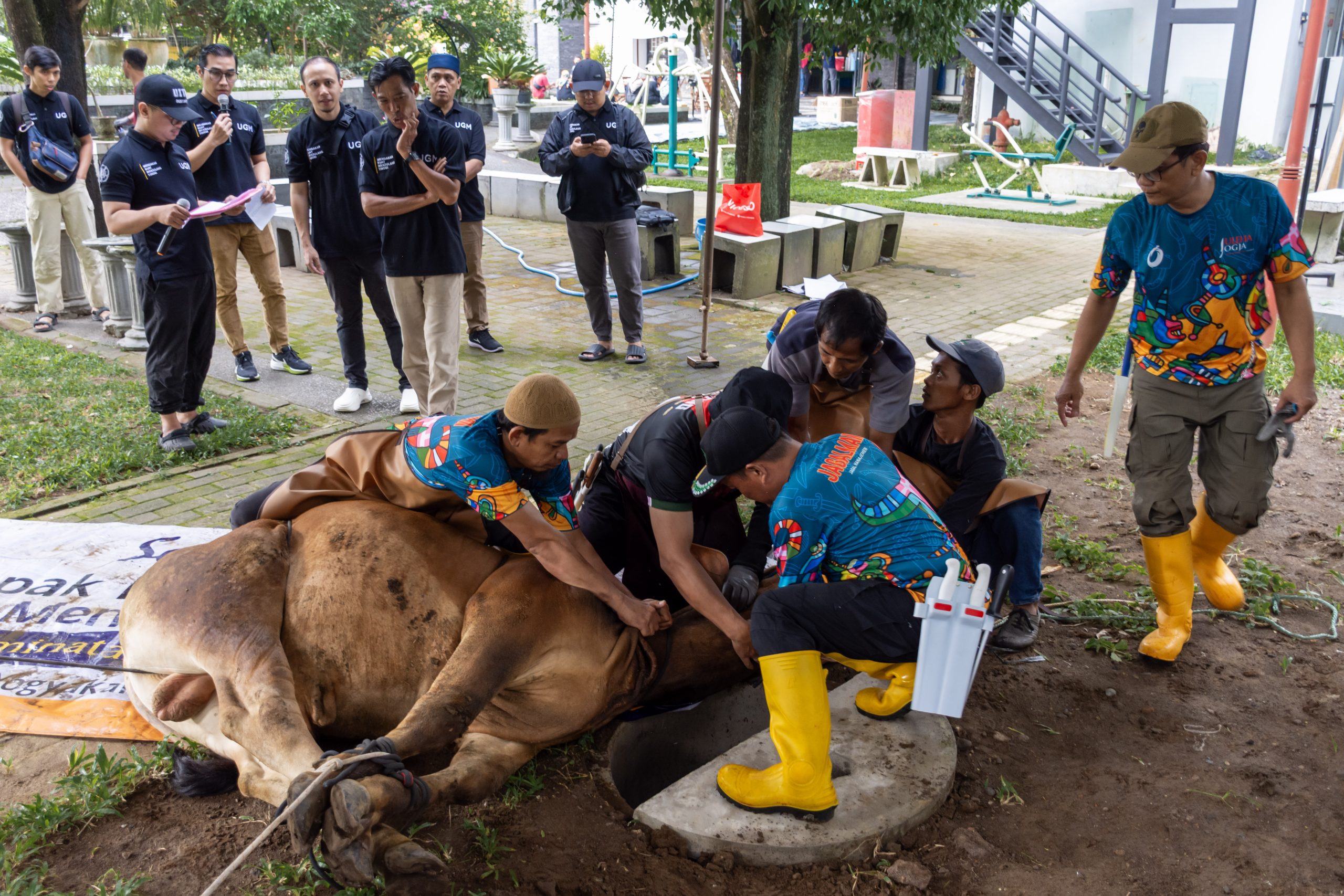
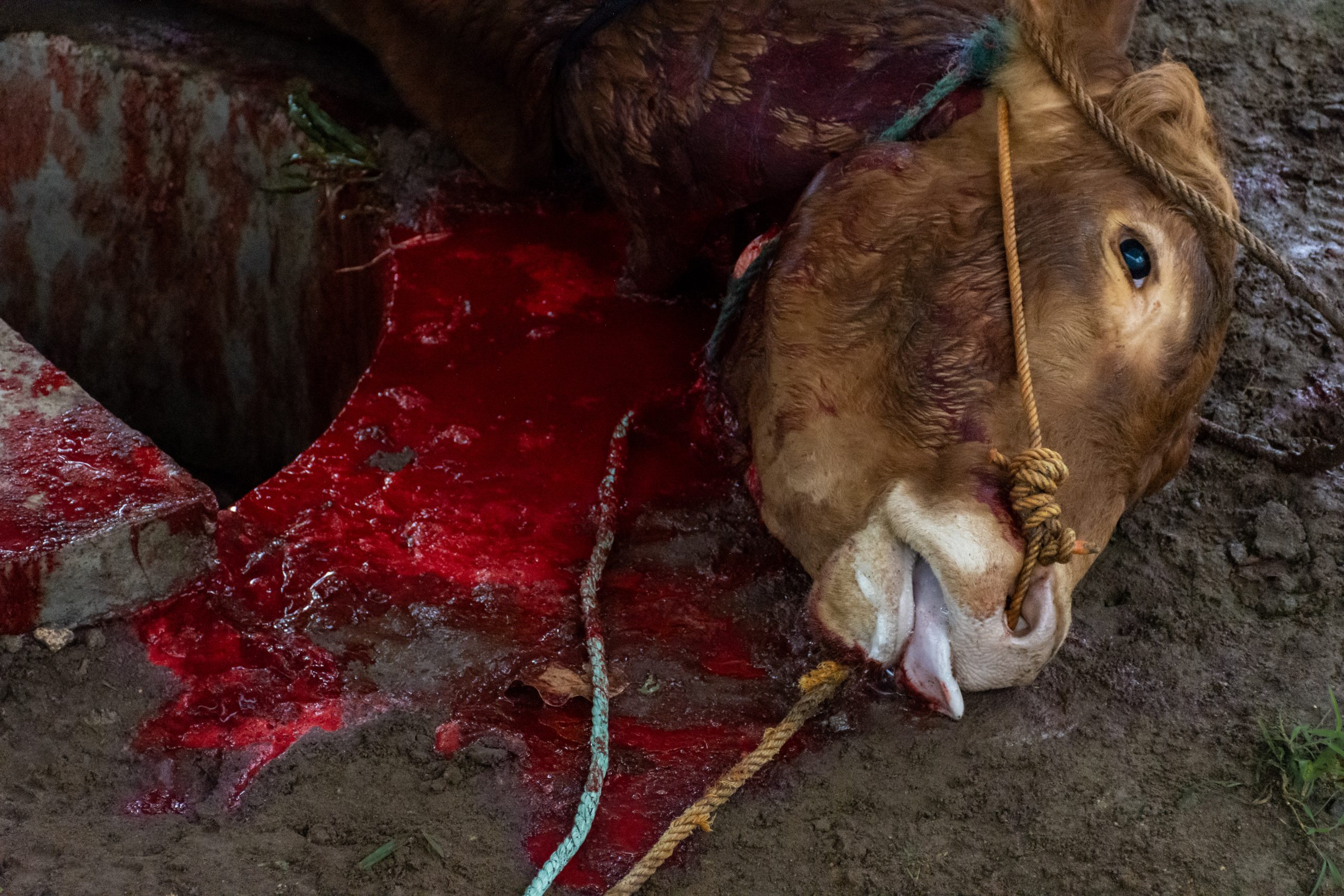
Ir. Putut Proboseto Agung Nugroho from Juleha Yogyakarta explained that halal principles in slaughtering were applied from the handling of the animals before slaughter until the cutting process itself. The animals were treated calmly to prevent stress before being slaughtered by cutting the esophagus, trachea, and the two main blood vessels in the neck.
“If animals experience stress before slaughter, the meat quality can decline. The blood also becomes more difficult to drain completely,” he explained.
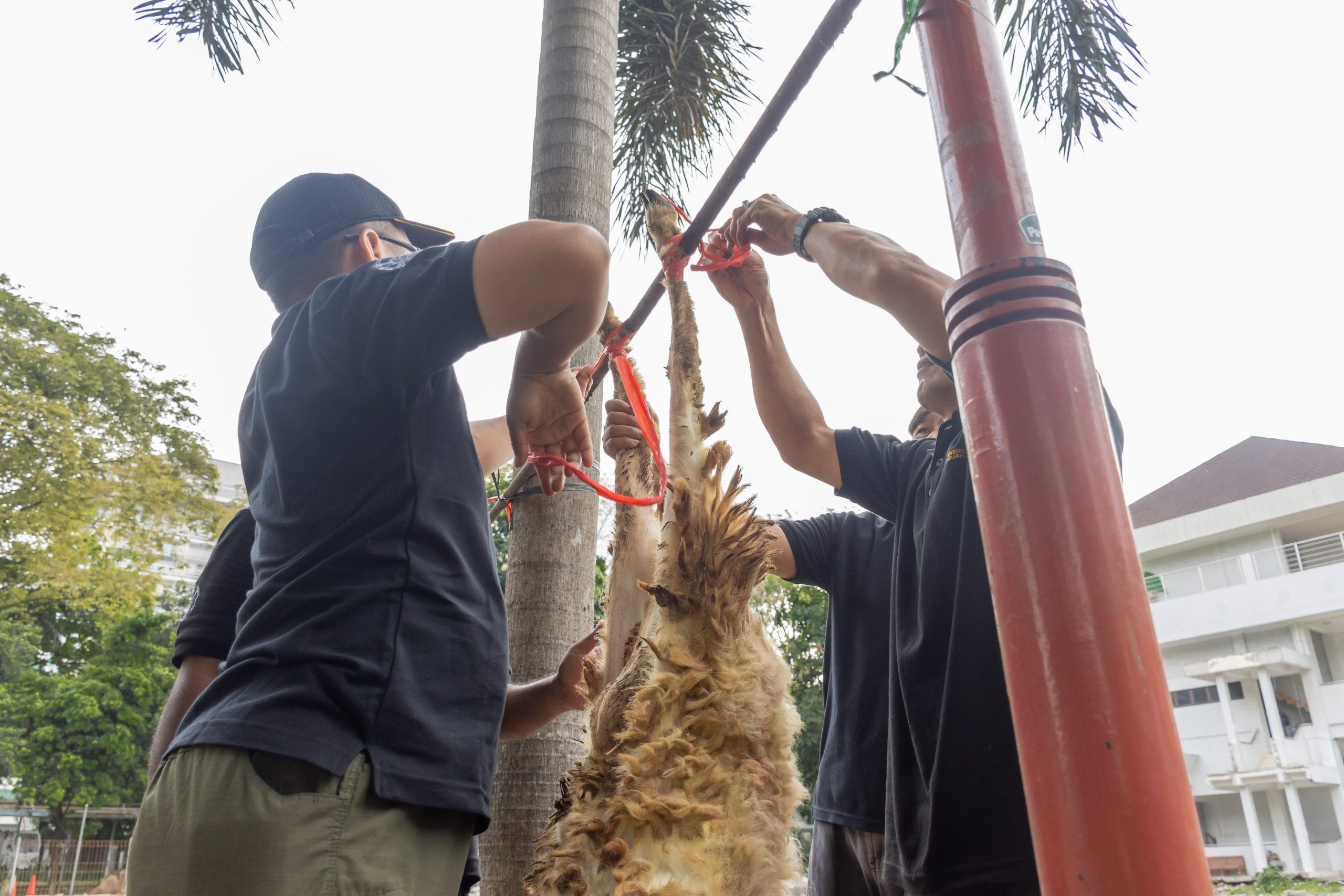
further stages such as skinning and organ removal.
In addition to halal aspects, the committee also implemented hygienic principles during the meat processing stages. Work locations were divided into dirty and clean areas to reduce the risk of cross-contamination.
The dirty area was used for slaughtering and organ removal, while the clean area was designated for meat cutting, weighing, and packaging. Officers in the clean area were required to wear clean clothing and were prohibited from smoking around the meat processing area.
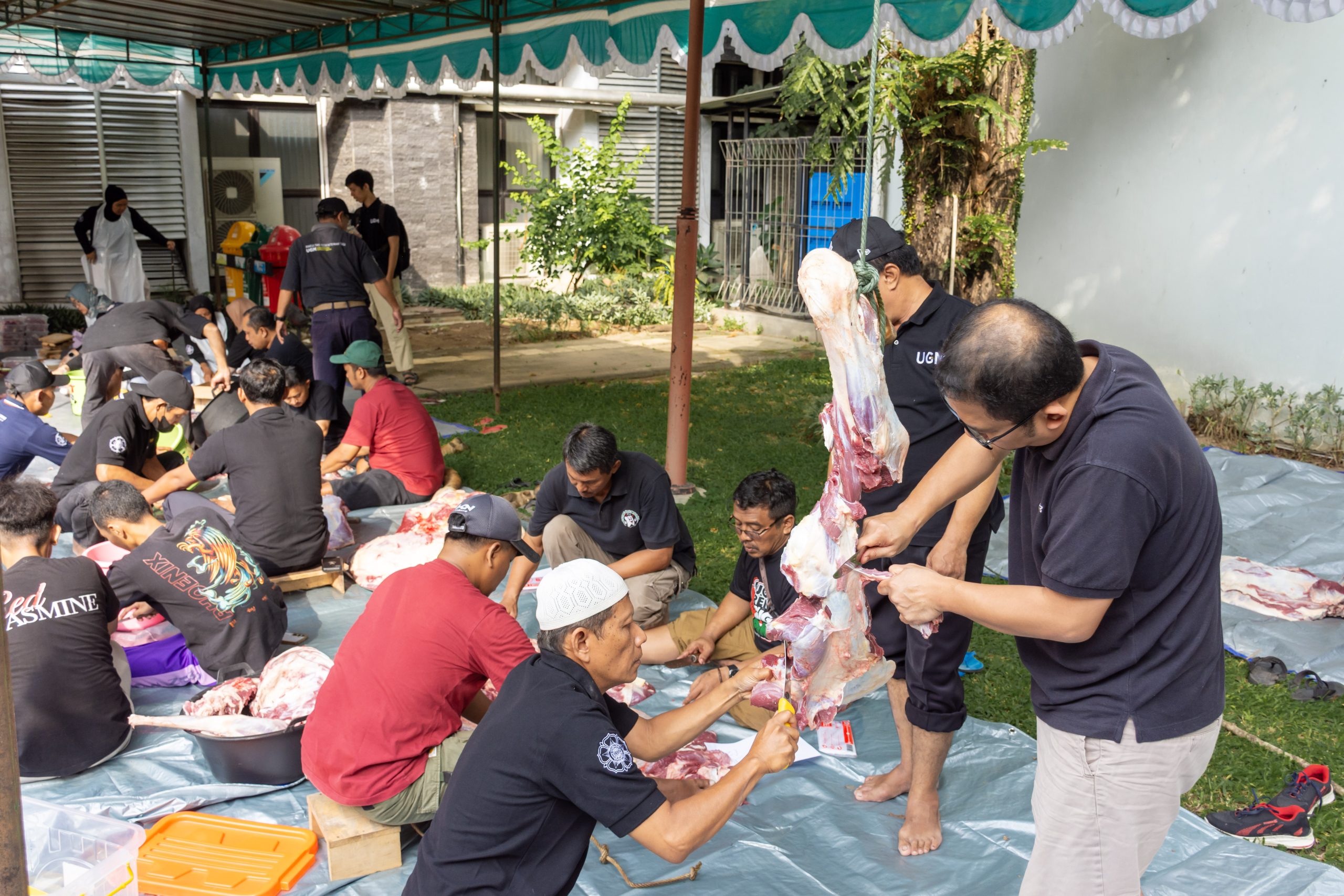
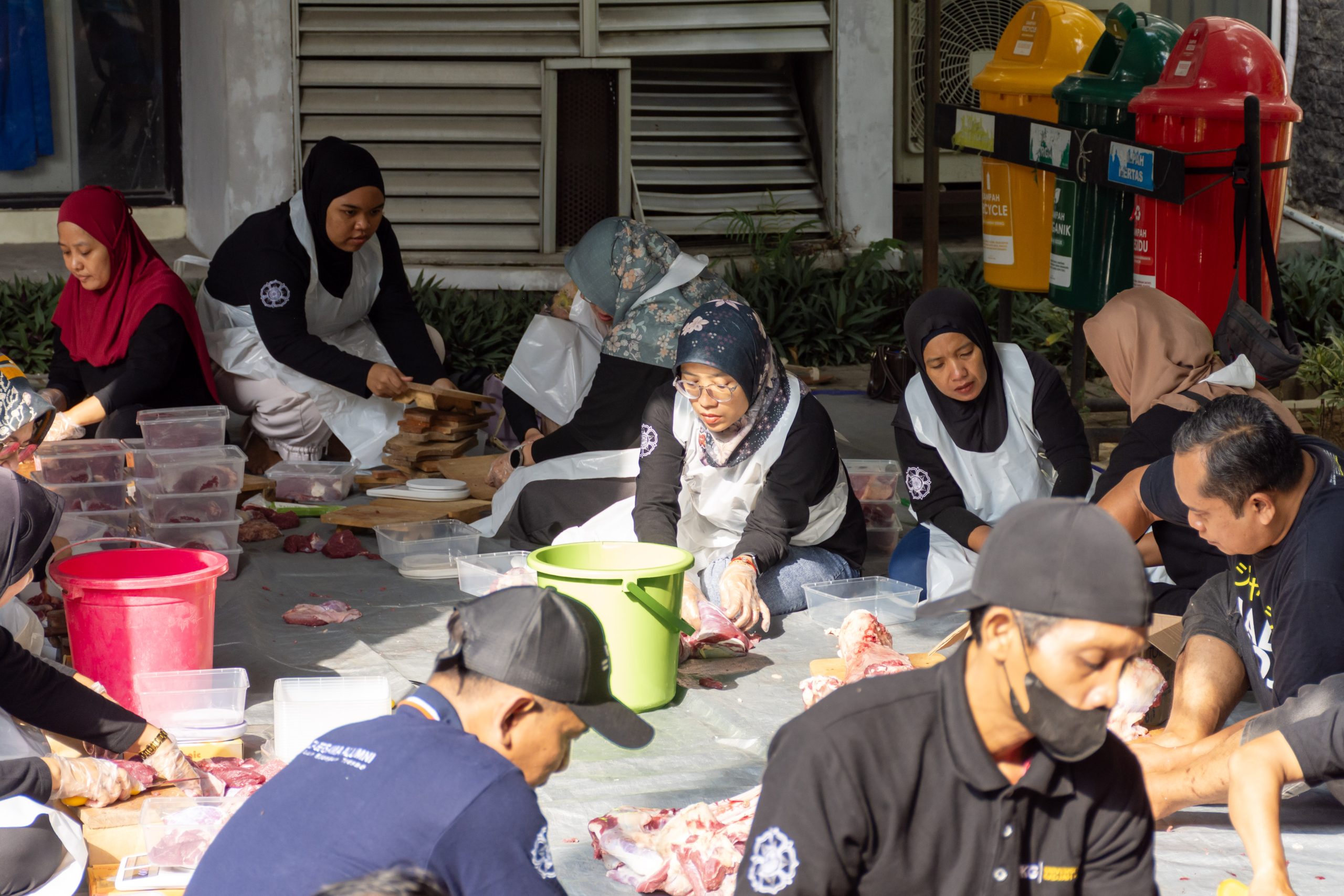
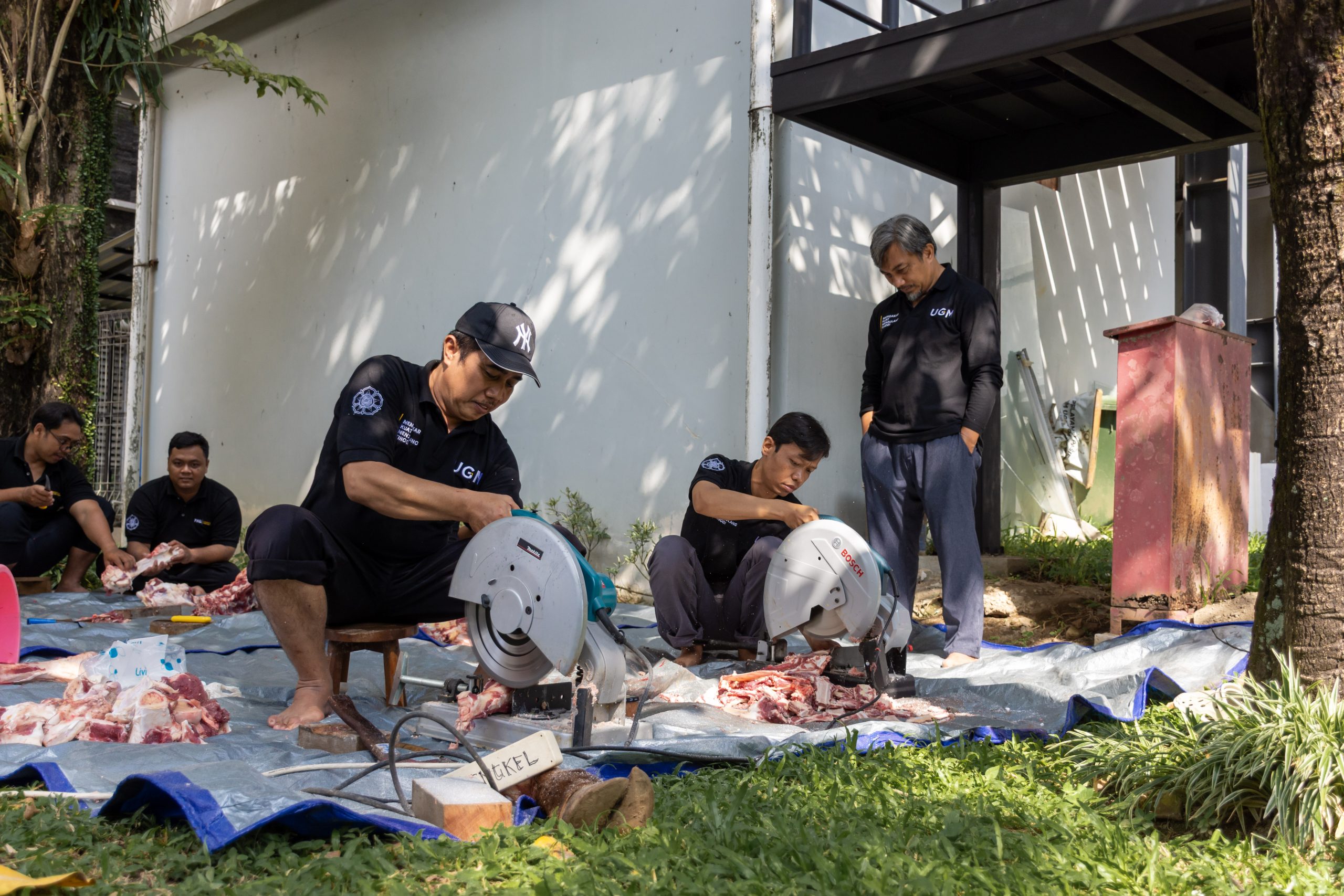
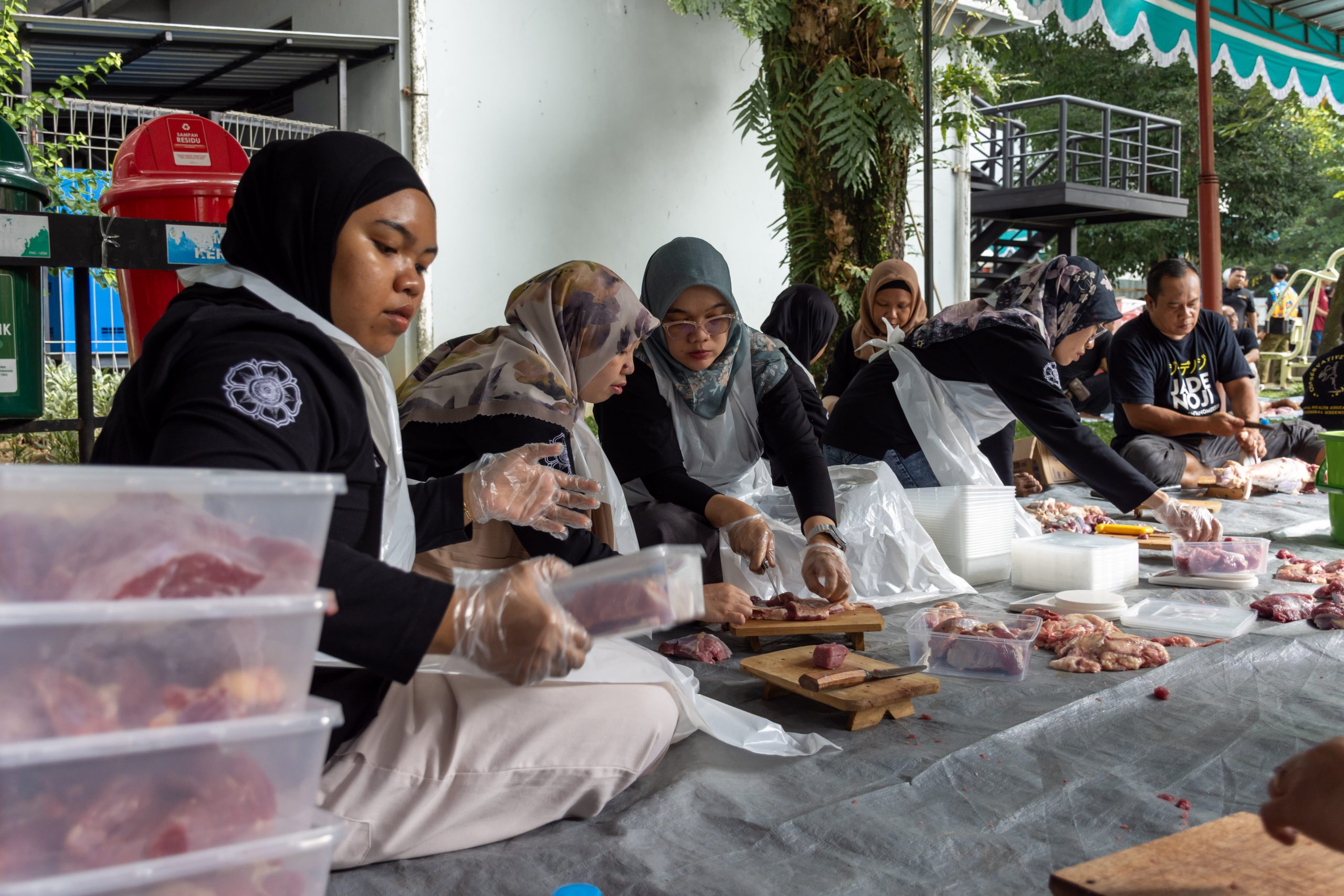
According to Putut, meat is a food product that can easily become contaminated with bacteria if handled unhygienically. “Meat easily absorbs contamination from its surroundings, including dirty clothing and cigarette smoke,” he said.
He also explained that sacrificial meat processing must fulfill the ASUH principle: Safe, Healthy, Intact, and Halal. “Safe” means the meat is free from bacterial or other contamination, “Healthy” means fit for consumption, “Intact” means not mixed with other substances, and “Halal” refers to slaughtering procedures that comply with Islamic law.
To maintain meat quality, the committee separated the packaging of meat and internal organs. Green offal such as intestines and tripe were also recommended to be boiled first to reduce bacterial risks before distribution to the community.
Putut reminded that sacrificial meat should ideally be distributed within six hours after slaughter if refrigeration facilities are unavailable. According to him, meat spoilage begins from blood that remains trapped within the meat tissue.
Fadyl hopes that the sacrificial program at FKG UGM can continue to run successfully and provide benefits to the surrounding community. “We hope this sacrificial program can benefit the community while also strengthening social awareness within FKG UGM,” he said.
The committee targeted the distribution of at least 300 meat packages to residents around FKG UGM, donors, mosques that submitted proposals, as well as communities in Godean and Gunungkidul.
Author: Fajar Budi Harsakti
Photo: Fajar Budi Harsakti