
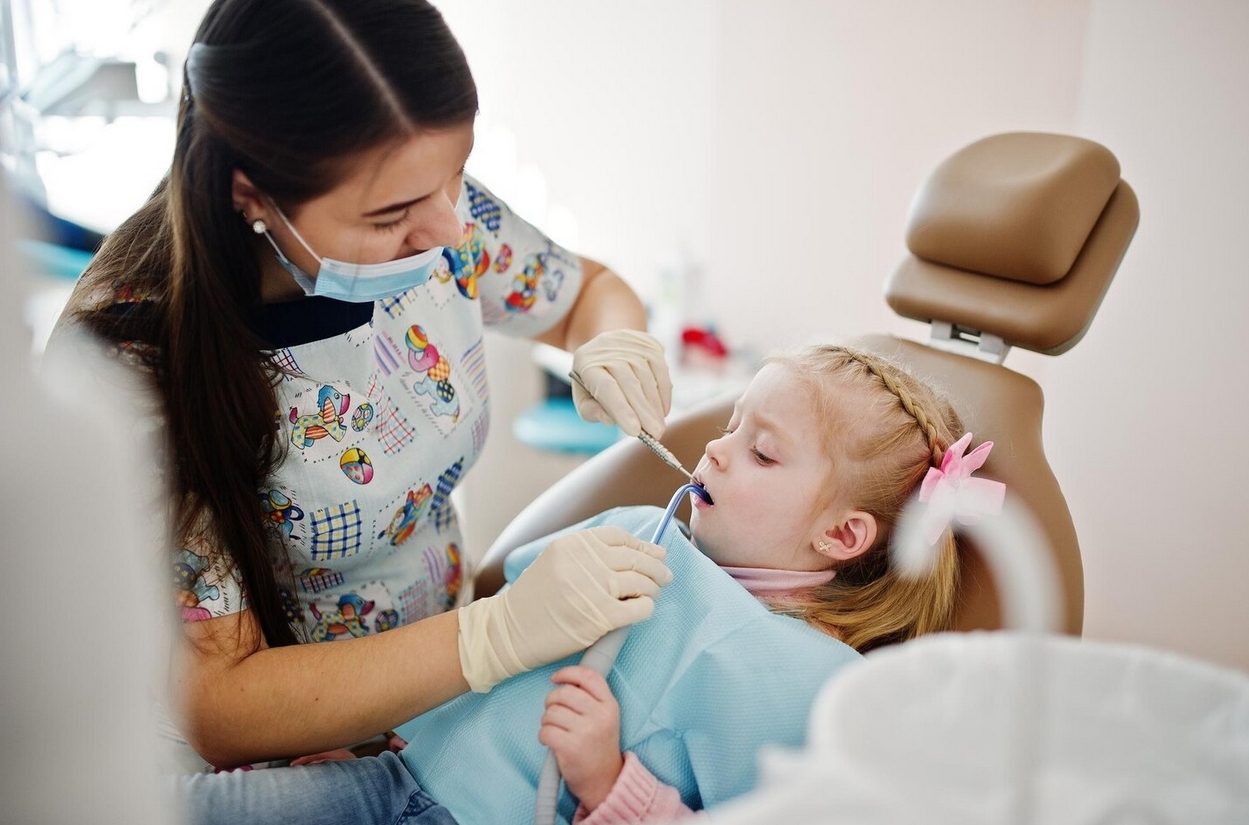
Dental treatment in children, especially invasive procedures such as tooth extraction, often causes anxiety that affects behavior and the overall treatment experience. Children aged 6–8 years are at a developmental stage where fear of unfamiliar stimuli (sounds, smells, medical instruments) and uncertainty is particularly strong. Therefore, the use of safe anesthesia techniques and appropriate supportive procedures is essential to minimize anxiety and make dental care more comfortable.
One important study in this context is “The Effect of Tooth Extraction on Anxiety in Children Aged 6–8 Years at the KGA Clinic, RSGM Prof. Soedomo”, conducted by FKG UGM student RR Nabila ZA under the supervision of Drg. Emut Lukito, SU, Sp.KGA(K). This study examined how tooth extraction using topical anesthesia affects children’s anxiety levels through physiological parameters.
Research Summary
- Study subjects: 10 healthy and cooperative children aged 6–8 years; topical anesthesia using chlor ethyl was applied, followed by tooth extraction.
- Method: One-group pre-test–post-test design. Pulse rate was measured twice: first after 5 minutes of rest in the waiting room to obtain baseline values, and second during tooth extraction with topical anesthesia.
- Results: There was an increase in pulse rate after tooth extraction with topical anesthesia compared to before the procedure. The paired sample t-test showed this increase was statistically significant.
- Conclusion: Tooth extraction using topical chlor ethyl anesthesia can trigger anxiety in children aged 6–8 years, as indicated by physiological responses (increased pulse rate).
Anesthesia and Safety Aspects to Consider
Based on research findings and clinical practice, the following points are important to ensure safer anesthesia use and minimize anxiety during pediatric tooth extraction:
- Selection of Anesthesia Type
- Topical anesthesia (such as chlor ethyl) may be less invasive than injections; however, it can still cause cold sensations or temperature stimulation that may trigger anxiety.
- Ensure adequate effectiveness, appropriate dosage, and correct application to avoid sudden or uncomfortable sensations.
- Psychological Preparation of the Child
- Explain the procedure using simple language and show the instruments to reduce unfamiliarity.
- Use preparation methods such as “tell-show-do” to reduce uncertainty.
- Calm and Supportive Environment
- Provide a comfortable, calm waiting area without excessive stimuli (e.g., loud instrument sounds, strong antiseptic odors).
- Ensure clinic staff are friendly, patient, and experienced in treating children.
- Physiological Monitoring
- As in the study, pulse rate can serve as an early indicator of anxiety. If there is a marked increase, the procedure may need to be postponed or additional calming strategies applied.
- Monitor other parameters such as respiration, facial expressions, and verbal/nonverbal responses.
- Communication and Family Support
- Parental or guardian involvement can be very helpful. A calming parental presence can reduce anxiety.
- Pre-procedure communication should explain benefits, minimal risks, and steps taken to ensure safety.
- Distraction and Comfort Techniques
- Use visual or auditory distractions (music, videos, toys) to divert the child’s attention during the procedure.
- Choose appropriate and gentle instruments; the anesthetic applicator should not excessively touch sensitive areas.
- Evaluation and Follow-up
- After the procedure, observe the child’s response to anesthesia effects and follow-up issues (pain, sensitivity).
- Provide post-extraction instructions (soft foods, oral hygiene, wound care) to support recovery and prevent long-term negative impressions.
Relevance to Anesthesia Safety and Clinic Policy
- The use of safe anesthesia and physiological monitoring aligns with standards of quality clinical practice.
- Establishing SOPs (Standard Operating Procedures) in pediatric dental clinics for topical anesthesia use, including staff training in application techniques, anxiety management, and minor emergency handling.
- Ongoing education for dental healthcare providers regarding child behavior, child psychology, and appropriate anesthesia use to ensure safe and minimally traumatic dental care.
***
Tooth extraction in children aged 6–8 years using topical chlor ethyl anesthesia can cause anxiety, as evidenced by increased pulse rate after the procedure. Therefore, pediatric dental care should include safe anesthesia techniques, psychological preparation, supportive environments, effective communication, and additional strategies such as distraction to minimize anxiety. In this way, the dental experience can be more positive, and the risk of long-term fear or trauma can be reduced.
References
RR NABILA ZA, Drg. Emut Lukito, SU, Sp.KGA(K), Pengaruh Pencabutan Gigi Terhadap Kecemasan Pada Anak Usia 6-8 Tahun di Klinik KGA RSGM Prof. Soedomo, https://etd.repository.ugm.ac.id/penelitian/detail/111649
Author: Rizky B. Hendrawan | Photo: Freepik