
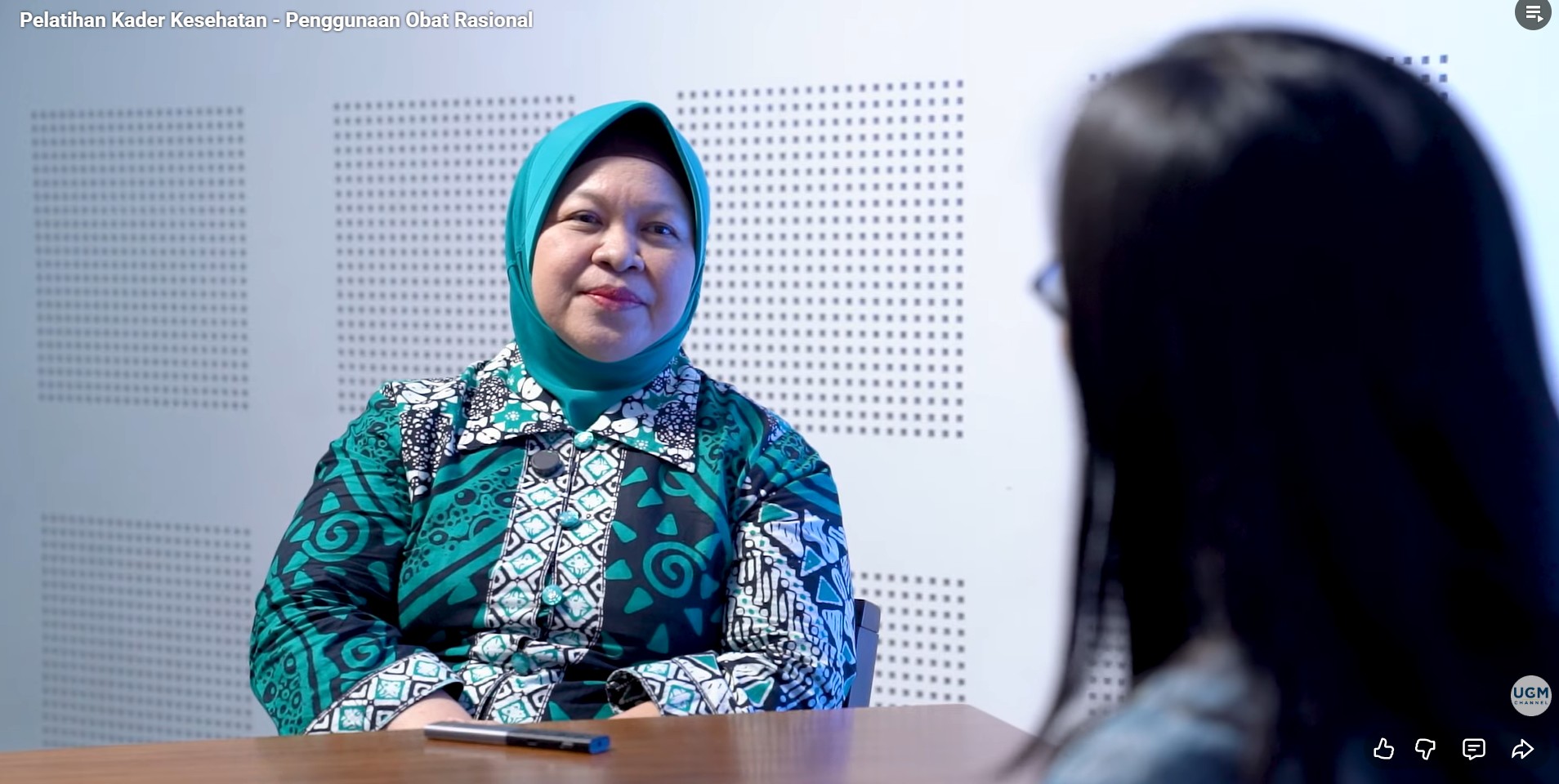
Yogyakarta, 20 November 2025 — As part of the 76th Anniversary of Universitas Gadjah Mada, UGM through its Health Cluster organized large-scale training for 1,000 health cadres and 1,000 supervisors from various regions in Indonesia. This program reflects UGM’s commitment to strengthening primary care services at Puskesmas, improving public health literacy, and preparing cadres as the frontline in promotive and preventive health efforts.
“Health cadres are intermediary agents capable of mobilizing creativity, innovation, and community participation. They are agents of change who help strengthen the nation through a healthy society,” said Prof. drg. Suryono, SH, MM., Ph.D, Chair of the 76th Dies Natalis of UGM.
The organizing committee also emphasized that all training curricula have been uploaded to Pelataran Sehat, and participants will receive certificates of recognition from the Ministry of Health.
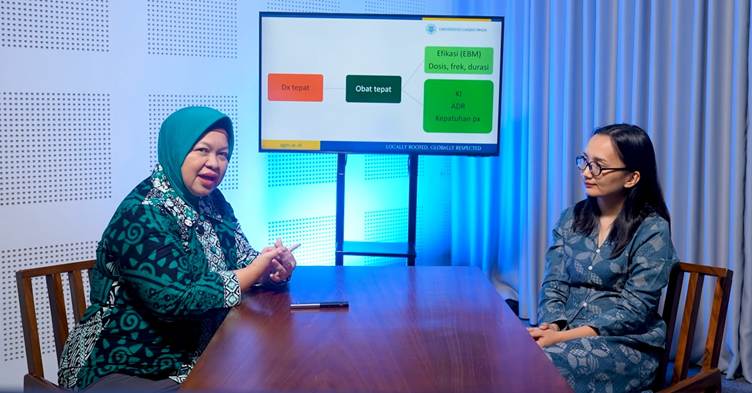
In-Depth Material: Rational Use of Medicines
In one session, Prof. Dr. Ika Puspitasari, M.Sc., Professor at the Faculty of Pharmacy UGM, served as the speaker on the topic “Rational Use of Medicines.” She emphasized the importance of appropriate medication education for the community.
Prof. Ika explained that rational drug use means medications are: Appropriate for the indication. Given at the correct dose. Safe with respect to contraindications. Associated with minimal side effects. Taken with proper adherence by patients
She also highlighted irrational practices still commonly encountered, such as stopping antibiotics prematurely, sharing medications with family or neighbors, purchasing antibiotics without a prescription, inappropriate polypharmacy, giving honey to children under one year old, and improper storage of medicines at home.
“Antibiotics must kill bacteria, not merely make them ‘faint.’ If they are not taken correctly, bacteria become resistant and society suffers the consequences,” she stressed.
Cadres were also equipped with skills to monitor medication adherence in patients with chronic diseases and to remind communities to pay attention to dosage, instructions for use, and potential side effects.
Collaboration Between Universities, Healthcare Workers, and Communities
UGM emphasized the importance of collaboration among three key stakeholders: academia, healthcare professionals, and communities. Universities provide knowledge and innovation, healthcare workers ensure service standards, and cadres act as the spearhead at the community level.
“True community service is service that directly reaches the people,” stated the Dies Natalis committee.
UGM hopes that strengthening health cadres will become a strategic step toward improving national health status and reinforcing national resilience.
(Andri Wicaksono)