
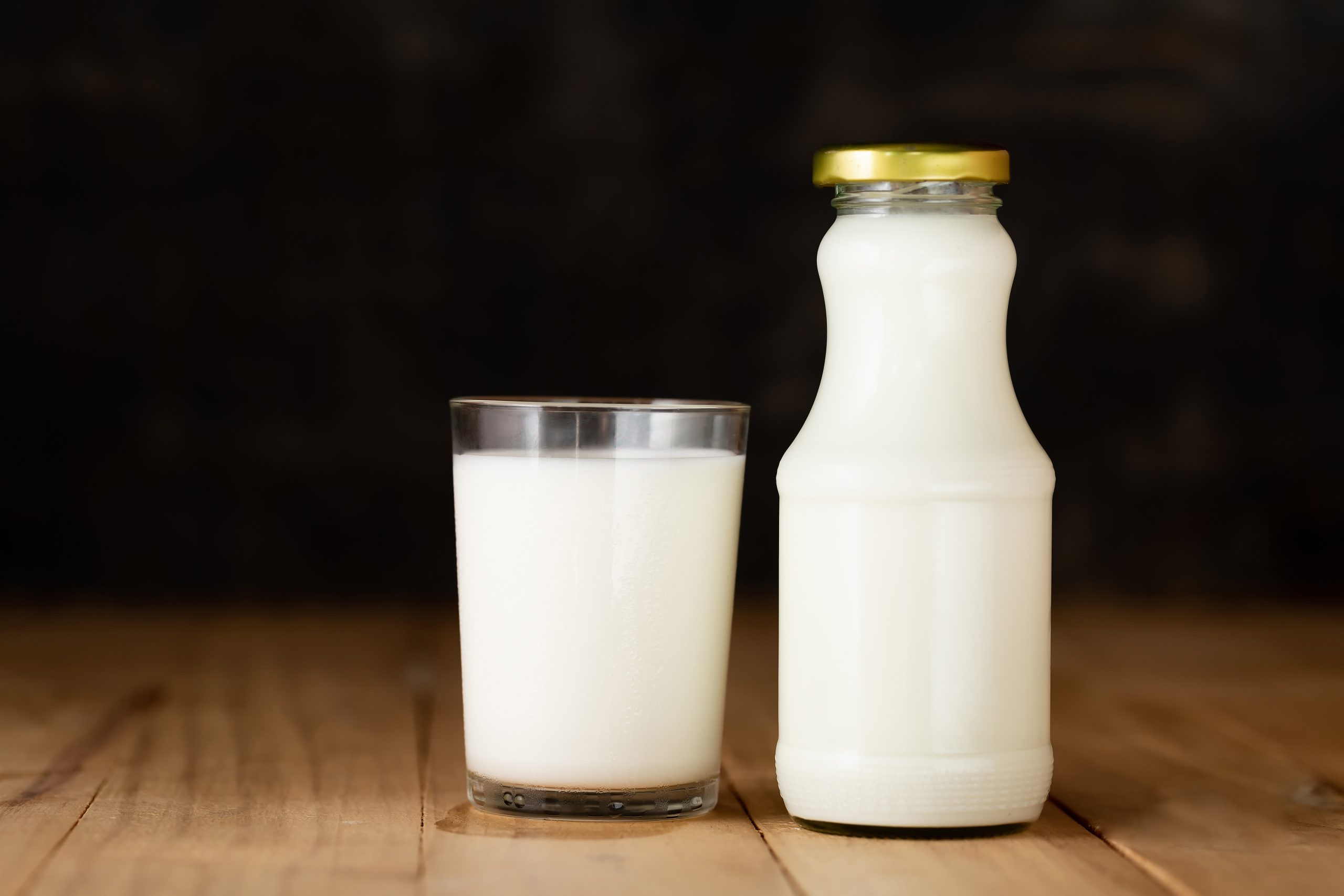
Tooth decay is not merely an aesthetic concern among young children. For millions of toddlers worldwide, early childhood caries (ECC)—the dental term for tooth decay occurring in early childhood—can lead to chronic pain, difficulty eating, sleep disturbances, and even an increased risk of malnutrition. A recent study from Universitas Gadjah Mada has revealed the extent to which dietary and nutritional patterns contribute to this condition: children who are given bottle milk or breast milk more than three times per day have up to a 3.6 times higher risk of developing ECC compared with children who receive milk less frequently. The findings were published in The Saudi Dental Journal in early 2024 as the result of a systematic review and meta-analysis conducted by Leny Pratiwi Arie Sandy, S.Kp.G., MDSc., together with a research team from the Faculty of Medicine, Public Health, and Nursing, Universitas Gadjah Mada.
From 443 Studies, Only Six Passed the Strict Selection Process
This research was not conducted by collecting children for clinical examination. Instead, the research team reviewed thousands of scientific articles from three major databases—Scopus, MEDLINE via PubMed, and ScienceDirect—using the Preferred Reporting Items for Systematic Reviews and Meta-Analyses (PRISMA) method, an internationally recognised standard for systematic reviews.
From 443 identified articles, only six met all inclusion criteria: cohort study design, involvement of children under six years old, evaluation of the relationship between nutritional factors and ECC, and the use of multivariate analysis to control for confounding variables. The six studies originated from Japan, Canada, Thailand, Brazil, and the United States, covering publication periods from 2000 to April 2023.
Based on these studies, the research team analyzed three major nutritional factors: feeding practices, sugar intake, and low consumption of fruits and vegetables.
Sugar and Bottle Feeding: The Two Strongest Risk Factors
The meta-analysis revealed striking findings. Feeding practices—including exclusive breastfeeding, breastfeeding duration, and nighttime bottle feeding—represented the strongest risk factor, with an odds ratio (OR) of 3.64 (95% CI: 2.03–6.55). This means that children who received bottle milk or breast milk more than three times daily had a 3.6 times greater risk of developing ECC.
The biological mechanism behind this finding can be explained clearly. During nighttime, saliva production decreases significantly. When children fall asleep while sucking on a milk bottle, sugary fluids remain in contact with primary teeth without being adequately washed away by saliva. The bacteria Streptococcus mutans then ferment carbohydrates from milk, producing acids that gradually dissolve the enamel and dentin layers of teeth—a process known as demineralisation. This condition becomes even worse when parents add two to three teaspoons of sugar into milk bottles, a practice that remains relatively common.
The second factor, sugar intake, showed an OR of 3.24 (95% CI: 2.59–4.03). Children who consumed sugary foods more than five times per day had a 3.2 times higher risk of ECC compared with children who consumed them fewer than two times daily. The World Health Organization (WHO) recommends that free sugar intake should not exceed 10% of total daily energy intake, with an ideal target below 5%.
“Carbohydrate exposure in the oral cavity causes fermentation that produces acids. These acidic products damage the tooth enamel surface, eventually leading to ECC.”
These findings reinforce a long-established principle in dentistry: it is not only the amount of sugar consumed, but also the frequency of consumption that creates the greatest risk. Every time a child consumes something sweet, the oral pH decreases, exposing teeth to acidic conditions for approximately 20–30 minutes afterwards.
Fruits and Vegetables as Natural Protective Factors
On the other hand, the study also identified factors that may protect children against ECC: adequate fruit and vegetable consumption. Children who consumed fruits and vegetables more than five times per day had a 2.7 times lower risk of ECC compared with children with lower consumption levels (OR: 2.71; 95% CI: 1.47–5.01).
The protective mechanism is related to stimulation of saliva production. Chewing fresh fruits and vegetables increases saliva flow, which functions as a natural oral cleansing system by removing food debris, neutralising acids, and supporting enamel remineralisation. Although this factor showed the lowest effect compared with the other two risk factors, the findings highlight a simple and affordable intervention strategy: encouraging fruit and vegetable consumption from an early age.
When Tooth Decay Causes More Than Just Toothache
What makes ECC more serious than many people realise is the chain of consequences it can trigger. Children with ECC tend to avoid chewing because of pain, resulting in reduced calorie intake. Research cited in this review found that children with ECC had twice the risk of experiencing malnutrition compared with children without ECC. Over time, this condition may interfere with children’s physical growth and academic performance.
According to researchers, parents often fail to recognise that offering sugary foods as rewards or frequently giving in to children’s requests can become counterproductive. Parenting patterns that are permissive toward sugar consumption, combined with limited awareness of infant oral hygiene, create a dangerous combination.
Supported by the Universitas Gadjah Mada Final Project Recognition Grant, this research emphasises that ECC prevention is not solely the responsibility of dentists. It is a matter of nutrition, parenting practices, and public health policy—a problem requiring cross-sectoral attention long before a child first sits in a dental chair.
Authors: Achmad Zam Zam Aghasy, DDS, M.Kes.; Hazra Alifia Muharam
Photo: Freepik
Source DOI: https://doi.org/10.1016/j.sdentj.2023.12.001