
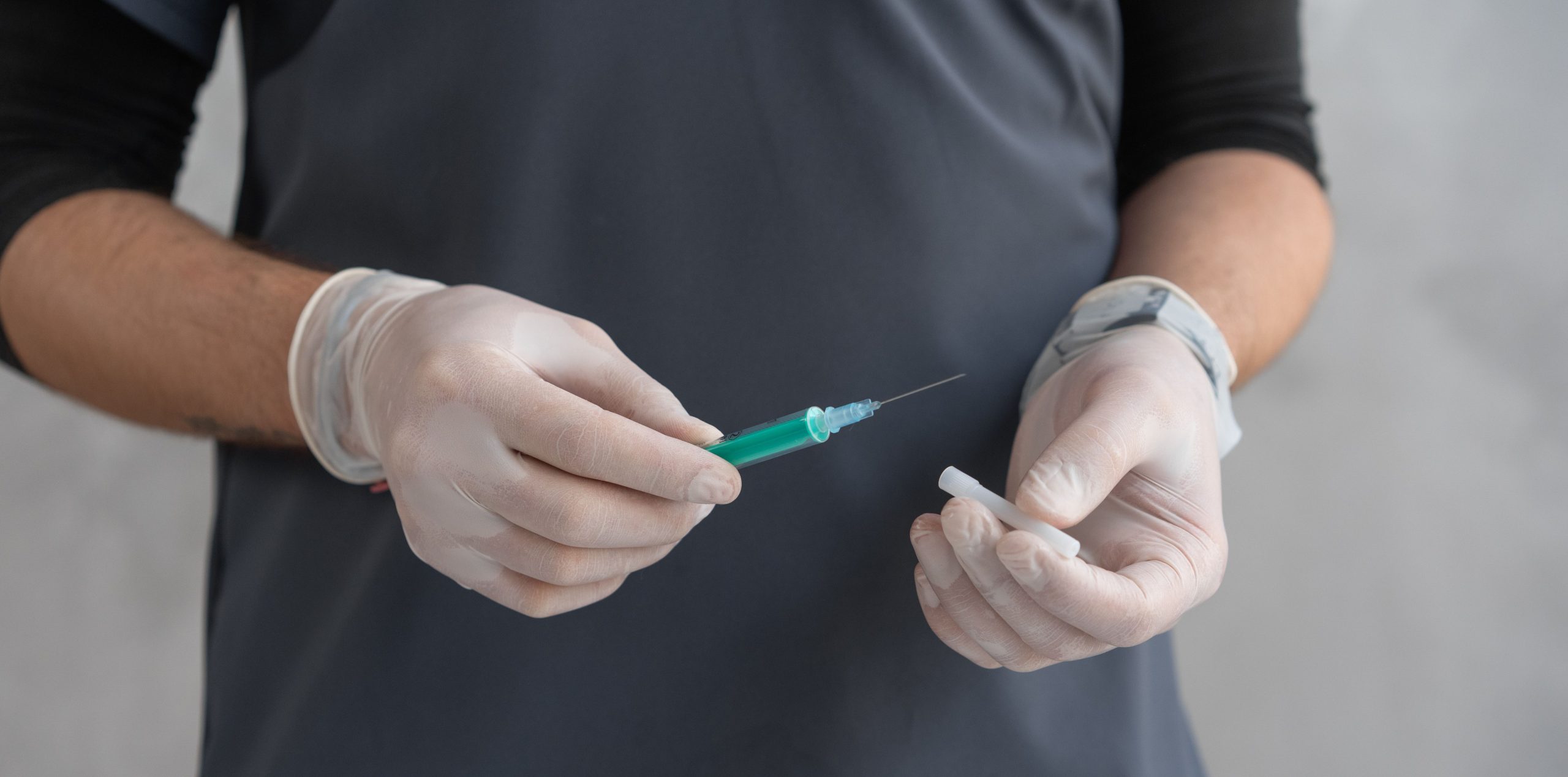
Imagine undergoing orthodontic treatment for two to three years, only to find that several months after the appliance is removed, your teeth gradually begin shifting back toward their original positions. This phenomenon is not necessarily a patient’s failure—it is one of the most frustrating challenges in orthodontics, known as relapse. A study from Universitas Gadjah Mada has attempted to address this longstanding problem through an unexpected approach: injecting a combination of bioceramic material and blood plasma directly into the gingival tissue.
When Bone Has Not Yet Adjusted to the New Position
Relapse occurs because the alveolar bone—the bone supporting the teeth—has not fully adapted to the teeth’s new positions after orthodontic appliances are removed. Under these circumstances, the body responds in a manner contrary to the desired outcome. RANKL protein levels increase sharply, triggering osteoclast activity that resorbs bone, while OPG (osteoprotegerin), which should inhibit this destructive process, decreases.
Published in Key Engineering Materials, the study involved Prof. Dr. drg. Pinandi Sri Pudyani, SU., Sp.Ort(K), from the Department of Orthodontics, FKG UGM, together with Ananto Ali Alhasyimi, Widya Asmara, and Ika Dewi Ana. The team designed a multilayered solution by combining carbonated hydroxyapatite (CHA) in hydrogel form with advanced platelet-rich fibrin (aPRF), which is rich in growth factors.
CHA is a bioceramic with a porous structure resembling cancellous bone. This characteristic makes it suitable as a carrier for bioactive substances and as a promoter of bone regeneration. Meanwhile, aPRF is a newer modification of PRF, produced by centrifuging blood at a lower speed for a longer duration, resulting in a much higher platelet concentration. In this study, the platelet concentration in aPRF reached 4.78 times that of whole blood, exceeding levels reported in similar previous studies.
Hydrogel, Centrifugation, and Forty-Five Rabbits
The CHA hydrogel was produced using bovine bone gelatin and calcium carbonate formulated into three different compositions: 30-CHA, 40-CHA, and 50-CHA. FTIR analysis confirmed the successful formation of carbonated apatite during fabrication. Among the three compositions, 30-CHA demonstrated the most ideal degradation profile—it did not degrade too rapidly, allowing growth factors to be released gradually into the target area.
Forty-five New Zealand rabbits were then divided into three groups: a control group without injection, a group receiving CHA alone, and a CHA-aPRF group. The rabbits’ lower incisors were orthodontically moved using a nickel-titanium open-coil spring for one week, retained for two weeks, and then allowed to relapse for 21 days. During the retention period, the hydrogel was injected into the mesial gingival sulcus every seven days.
“The results of this study demonstrate that the incorporation of CHA hydrogel has the potential to enhance alveolar bone remodeling and prevent orthodontic relapse by stimulating OPG expression and suppressing RANKL expression.”
The numerical findings were equally clear. On day 21 after appliance removal, the CHA-aPRF group recorded the lowest percentage of relapse, at only 29.95%, compared with a substantially higher percentage in the control group. RANKL expression in this group was significantly the lowest on days 0, 3, and 7, while OPG expression was highest on days 14 and 21.
When the Patient’s Own Blood Becomes the Treatment
What makes this approach particularly interesting is not only its results but also its underlying mechanism. aPRF is derived from the rabbits’ own blood—making it autologous—and therefore does not require additional materials such as bovine thrombin or calcium chloride, which have been limitations of earlier generations of PRP. Because no external anticoagulants are used, the risk of antibody formation that could lead to coagulopathy is also avoided.
PRF has also been shown to release growth factors gradually over a longer period than PRP. Within the CHA hydrogel system, this release becomes even more controlled: growth factors are not released all at once but instead act gradually at the required site. Increased OPG binds to RANKL and blocks its interaction with RANK, thereby inhibiting osteoclast differentiation and slowing bone resorption.
Bagi dunia ortodonsia, implikasi penelitian ini cukup signifikan. Retensi pasca perawatan selama ini sangat bergantung pada pemakaian retainer oleh pasien — yang notabene tidak selalu konsisten. Jika injeksi lokal CHA-aPRF suatu hari dapat diintegrasikan ke dalam protokol klinis, maka stabilitas hasil perawatan tidak lagi sepenuhnya bergantung pada kepatuhan pasien memakai alat.
Tentu masih ada jarak antara model hewan dan aplikasi klinis pada manusia. Namun langkah pertama itu sudah diambil — dengan suntikan kecil, dan pertanyaan yang jawabannya terus dicari.
Source DOI: http://10.4028/www.scientific.net/KEM.758.255
Authors: Nanda Ayu, drg. Achmad Zam Zam Aghasy, M.Kes.
Photo: Pexels