
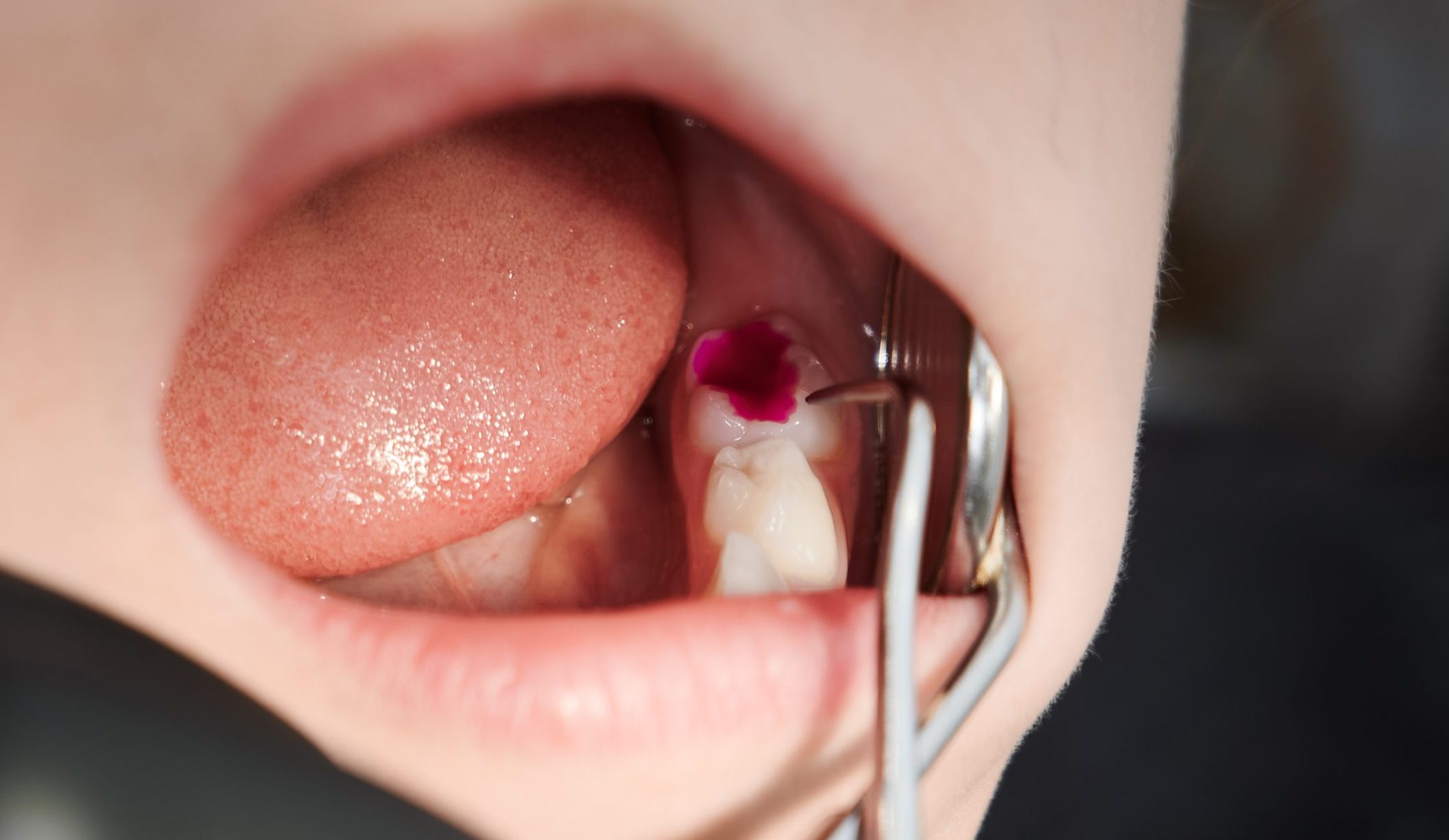
A study of 1,191 fifth-grade students from 45 public elementary schools in Sleman Regency, Yogyakarta, revealed a surprising finding: female students had a higher average DMF-T (Decayed, Missing, Filled Teeth) index than male students, at 1.93 compared with 1.56. The finding came from a study published in Dental Journal (Majalah Kedokteran Gigi) in September 2016, led by Dr. drg. Sri Widiati, MPH, of the Department of Preventive and Community Dentistry, Faculty of Dentistry, Universitas Gadjah Mada. The study sought to answer a fundamental question: what factors most strongly determine the oral health of elementary school-aged children?
The answer turned out to be less straightforward than commonly assumed.
Brushing Your Teeth Regularly Is Not Enough
The most common oral health advice given to children is familiar: brush your teeth twice a day, reduce sugary foods, and visit the dentist regularly. It sounds logical and correct. However, this study uncovered something that challenges that assumption.
After analysing data from more than 1,000 students using statistical regression models, the researchers found that oral health behaviours, such as toothbrushing habits, avoiding sugary foods, and regular dental visits, were not significantly associated with the level of dental caries (DMF-T). The same was true of family support, measured by the extent to which parents encouraged their children to have their own toothbrushes, brush their teeth regularly, and limit their consumption of sugary foods.
Both factors were associated with oral hygiene as measured by the Oral Hygiene Index Simplified (OHIS), but neither had a direct effect on whether children had dental caries. In other words, children classified as having better oral hygiene were not necessarily free from dental caries.
This does not mean that brushing your teeth is unimportant. Rather, another factor appears to have a greater influence—and that factor is hidden behind something that has rarely received sufficient attention: which school the child attends.
School as a Hidden Determinant
The most striking finding of the study was the role of school as a consistent predictor of both oral health indicators, OHIS and DMF-T. Once school was incorporated into the analytical model, the effects of health behaviours and family support on OHIS were no longer significant. School effectively “took over” the role of these other variables.
The average DMF-T scores varied considerably between schools, ranging from 0.609 at SD Semarangan to 3.1 at SD Banyurejo. This is a substantial difference among students who were ostensibly part of the same education system and under the same government administration.
Why could the differences be so large? The researchers suggested that they might be associated with the socioeconomic conditions surrounding each school, including access to dental health services, community dietary patterns, and the effectiveness of the School Dental Health Programme (Usaha Kesehatan Gigi Sekolah/UKGS) implemented by the respective partner community health centres (puskesmas). Although all schools included in the study were public schools, they were not necessarily situated in environments with equivalent social conditions.
Sex and Age: Biological Factors That Cannot Be Ignored
In addition to school, sex and age were found to be significant determinants of caries levels. As children grew older, their DMF-T scores increased. Female students consistently showed greater caries experience than male students.
The scientific explanation is that permanent teeth generally erupt earlier in girls than in boys, meaning that their teeth are exposed to the risk of caries for a longer period. In addition, more frequent snacking, including while helping to prepare food at home, was also identified as a contributing factor.
Overall, only 34.8% of the children in the study were caries-free. The mean DMF-T score among all participants (1.74) was even higher than the national figure reported by the 2013 Basic Health Research (Riskesdas). This is concerning, considering that the study was conducted in Sleman, one of the regencies in Indonesia with relatively good access to healthcare services.
School Dental Programs Need to Be More Targeted
This study does not seek to diminish the importance of oral health education in schools. On the contrary, it demonstrates that school-based programmes need to be designed more carefully and targeted specifically at schools with poorer oral health conditions.
A uniform approach across all schools is unlikely to be effective if social conditions, access to healthcare, and the surrounding environment differ significantly. For example, structured and controlled dental sealant programmes—using sealants to cover tooth grooves and prevent caries—have been shown to be more effective than simply conducting mass toothbrushing campaigns.
The research by Dr. drg. Sri Widiati, MPH, and her team serves as a reminder that children's oral health is not solely a matter of individual behaviour. A broader social context is involved, and schools provide one of the clearest windows through which this context can be observed. If Indonesia aims to reduce the prevalence of dental caries among school-aged children, mapping which schools are most in need of intervention may be the most logical first step.
Authors: Achmad Zam Zam Aghasy, DDS, M.Kes.; Hazra Alifia Muharam
Photo: Freepik
Source DOI: https://doi.org/10.20473/j.djmkg.v49.i3.p163-167