
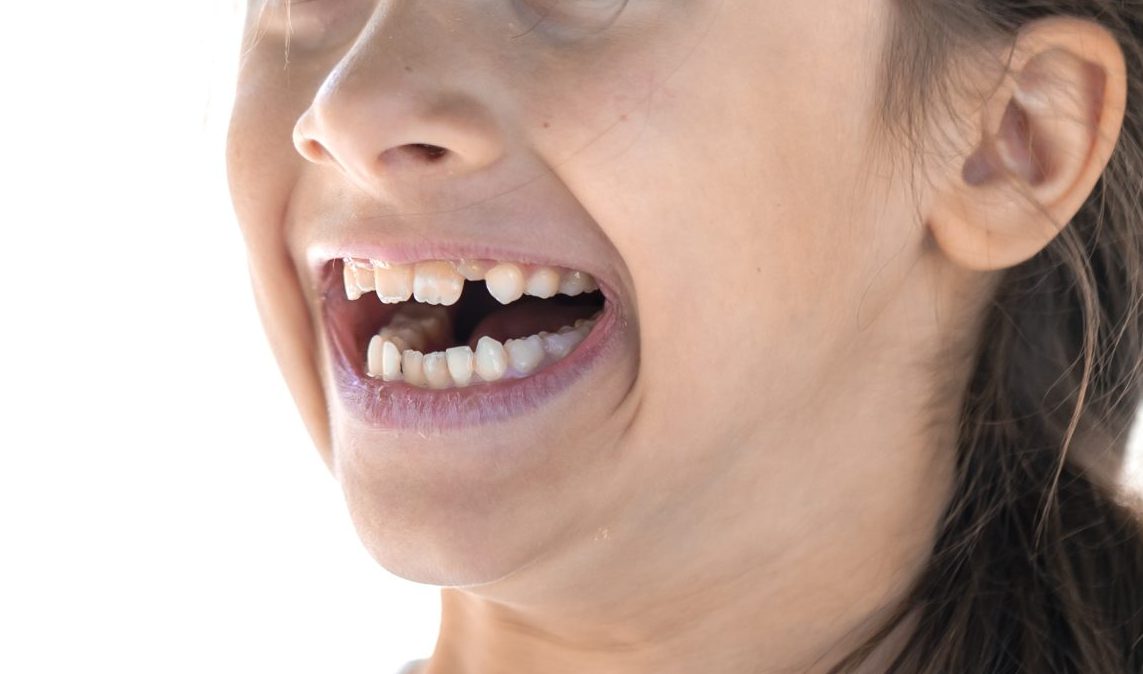
The dental caries score among 12-year-old children in Indonesia increased from 0.9 in 2007 to 1.4 in 2014, according to data from the Basic Health Research (Riset Kesehatan Dasar/Riskesdas). This figure is more than just a statistic: it represents millions of children's teeth affected by cavities and pain, potentially interfering with their growth and development. Yet the School Dental Health Programme (Usaha Kesehatan Gigi Sekolah/UKGS) has been operating throughout Indonesia for decades. So, what has gone wrong?
This question prompted Dr. drg. Sri Widiati, MPH, from the Department of Preventive and Community Dentistry, Faculty of Dentistry, Universitas Gadjah Mada, to conduct an in-depth study. Together with researchers from the Faculty of Dentistry and Faculty of Medicine at UGM and Krida Wacana Christian University, she examined the relationship between the UKGS programme, dental health behaviours, and the actual oral health status of elementary school students in Sleman Regency, Yogyakarta, in 2016.
Surveying 45 Schools Across Three Areas
The study was not conducted at just one school. The research team selected 45 public elementary schools located across three types of areas: highland rural areas, lowland rural areas, and suburban areas. Of the 15 community health centres (puskesmas) responsible for implementing the UKGS programme in these areas, three public elementary schools were randomly selected from each. A total of 1,144 fifth-grade students participated in the study after obtaining consent from their parents or guardians.
Each child's oral health was directly examined by trained research assistants. Three indicators were measured: dental hygiene (OHI-S), gum health (GI or Gingival Index), and dental caries (DMFT, which measures the number of decayed, missing, and filled teeth). In addition to clinical examinations, each student completed a questionnaire covering family background, household expenditure, and everyday oral health behaviours.
Toothbrushing Alone Is Not Enough
The most surprising finding of the study was that children's oral health behaviours were associated only with gum condition (GI) and were not shown to affect dental hygiene (OHI-S) or caries levels (DMFT). In other words, even if a child brushes their teeth regularly and maintains good oral health habits, this does not necessarily mean that their teeth will be free from caries.
Factors beyond the child's own control played a much greater role. Father's educational attainment, for example, was found to be a strong predictor of DMFT. Children whose fathers had a university education had an average DMFT score 0.66 points lower than children whose fathers had lower levels of education. Sex also had an effect: boys had an average DMFT score 0.44 points lower than girls.
“School was associated with OHI-S, DMFT, and GI, whereas puskesmas was not associated with any oral health indicator.”
The conclusion of the study is striking. Puskesmas, which are officially responsible for implementing UKGS in the schools under their supervision, showed no significant association with students' oral health status. In contrast, the school as an institution had a measurable influence.
When Schools Have More Influence Than Community Health Centres
Multilevel analysis showed that variations in children's oral health were explained more by school-level factors than by puskesmas-level factors. This may indicate that the school environment—including its culture, habits, and internal programmes implemented by teachers—has a more direct impact on students' behaviour and oral health.
Family support for children's oral health behaviours was initially associated with dental hygiene (OHI-S). However, once school-level factors were incorporated into the analysis, this relationship disappeared. This suggests that the influence of the family may be “masked” by the more dominant influence of the school environment.
Household expenditure was also identified as a determinant. Children from families with monthly expenditures between IDR 1 million and IDR 1.4 million had poorer dental hygiene scores than children from families spending less than IDR 1 million per month. This pattern is interesting and warrants further investigation because it does not necessarily align with the common assumption that higher income automatically leads to better health.
It Is Not Just About Brushing Your Teeth
The research by Dr. drg. Sri Widiati, MPH, offers a new perspective on why the UKGS programme has not produced the expected impact. Children's oral health is not merely a matter of brushing their teeth twice a day. It is rooted in socioeconomic conditions, parents' educational backgrounds, and the extent to which schools successfully establish a culture of health within their environments.
If the UKGS programme relies solely on visits from puskesmas personnel without actively and continuously involving schools, its impact will remain limited. Dental caries among Indonesian children is not merely a health issue. It is a reflection of disparities in access, education, and systemic attention that still require substantial improvement.
Authors: drg. Achmad Zam Zam Aghasy, M.Kes.; Hazra Alifia Muharam
Photo: Freepik