
During the two to three years of orthodontic treatment, patients often face a small but painful dilemma: pain after braces are activated may force them to take painkillers, yet those same medications can potentially slow the movement of the teeth they are trying to straighten. This raises an important question—is there an analgesic that can relieve pain without compromising treatment effectiveness?
A study involving Prof. drg. Heni Susilowati, M.Kes., Ph.D., PBO, from the Department of Oral Biology at the Faculty of Dentistry, Universitas Gadjah Mada, attempted to answer that question. Together with a multidisciplinary team—including researchers from Radboud University in the Netherlands and the Faculty of Pharmacy at Universitas Gadjah Mada—the researchers tested a compound called pentagamavunon-0, or PGV-0, as an alternative analgesic during orthodontic treatment.
A Turmeric Derivative More Potent Than Paracetamol
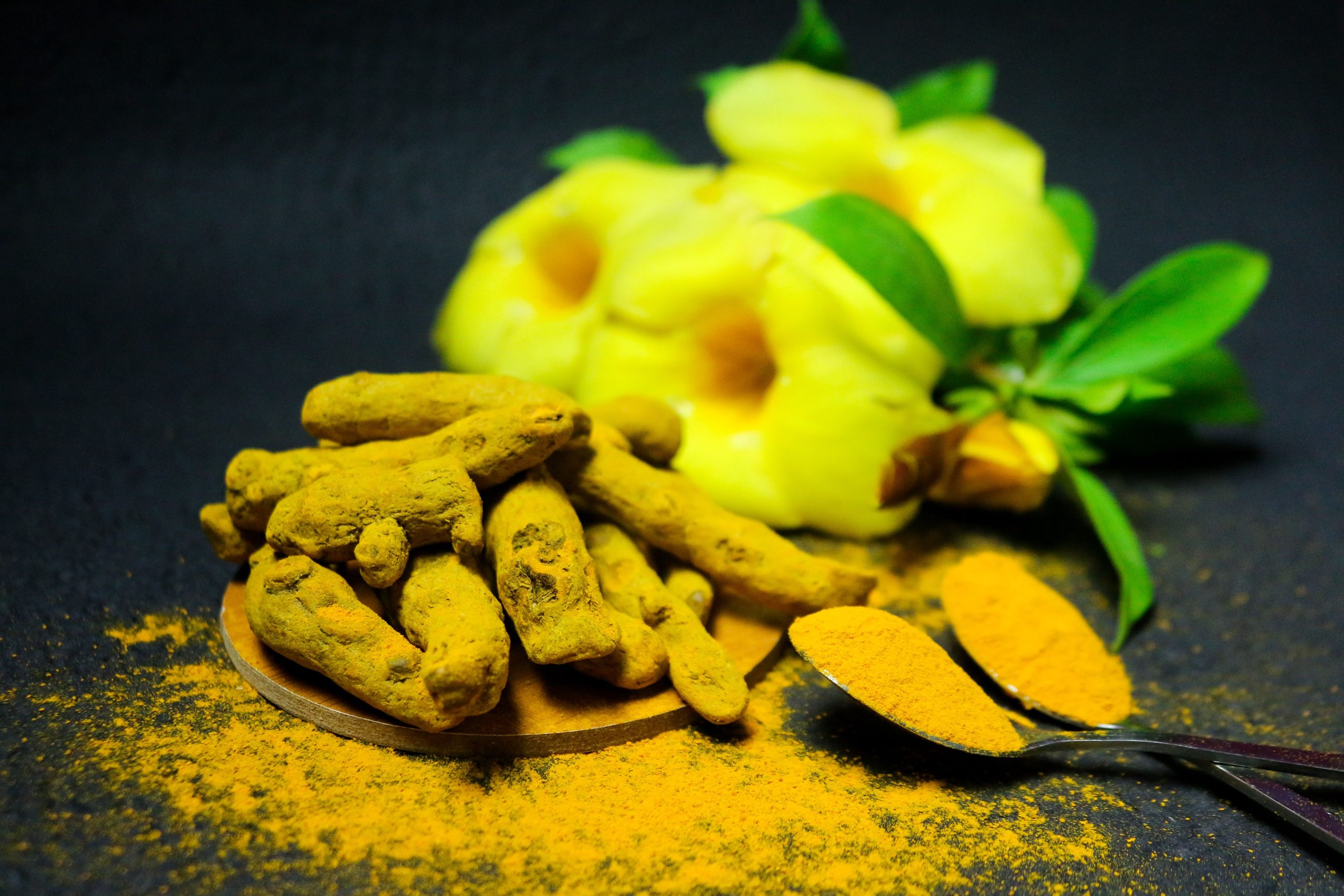
PGV-0 is not an unfamiliar name in pharmaceutical research at Universitas Gadjah Mada. The compound is a curcumin analog, a derivative of the active molecule in turmeric, synthesized through a reaction between vanillin and cyclopentanone under acidic conditions. Chemically, it acts as a selective COX-2 inhibitor—a pathway also associated with paracetamol, the most commonly used pain reliever among orthodontic patients.
What makes PGV-0 particularly interesting is its reportedly superior profile compared with paracetamol: its analgesic and anti-inflammatory effects are reported to be greater, while its antioxidant activity is two to seven times stronger than that of the parent compound, curcumin. Paracetamol has been shown not to inhibit tooth movement, but it carries a risk of hepatotoxicity—liver damage—particularly when used repeatedly over long periods. PGV-0 does not appear to have a similar side-effect profile.
Five Groups of Rats, One Major Question
To test their hypothesis, the researchers used 50 male Wistar rats weighing 350–450 grams, randomly divided into five groups. The first group received no treatment. The second group was fitted with an orthodontic appliance but received no medication. The remaining three groups received orthodontic treatment along with Na-CMC (the drug vehicle), paracetamol at 200 mg/kg body weight, or PGV-0 at 50 mg/kg body weight.
For each rat, a 0.012-inch stainless-steel spring was installed to separate the two upper incisors with a force of 35 cN. All medications were administered orally one hour before the orthodontic appliance was installed and then every 12 hours for seven days. Tooth movement was measured daily using a high-precision digital caliper.
The results were encouraging. On day 6, tooth movement reached its maximum in all orthodontic groups, including the PGV-0 group, with movement significantly greater than on day 4. There was no significant difference between the PGV-0 group and either the paracetamol or other orthodontic groups.
“PGV-0 does not inhibit tooth movement in rats from day 1 to day 7. Therefore, it is possible to develop PGV-0 as an alternative analgesic during orthodontic therapy.” — Farmasyanti et al., Padjadjaran Journal of Dentistry, 2019
Prostaglandins, Bone, and a Window of Opportunity
The biological mechanism behind these statistical findings is worth understanding. Orthodontic tooth movement occurs because prostaglandins—particularly PGE2—trigger bone remodeling: osteoclasts resorb bone on the pressure side, while osteoblasts build bone on the tension side. The same prostaglandins also stimulate nerve endings and cause pain.
Conventional NSAIDs work by blocking the COX pathway, thereby reducing prostaglandin production. As a result, bone remodeling can also be disrupted, slowing tooth movement. Ibuprofen, for example, has been shown to significantly inhibit tooth movement. Aspirin can inhibit it to an even greater extent.
PGV-0 targets the COX-2 pathway more selectively, similar to paracetamol, but without the burden of hepatotoxic effects. The finding that the compound did not suppress tooth movement during the seven-day observation period raises the possibility of repeated use during lengthy orthodontic treatment—a prospect that is highly relevant clinically.
Potential That Still Requires Further Evidence
Of course, several limitations must be noted. The study lasted only seven days, whereas orthodontic treatment in humans can continue for years. In addition, IC50 data for PGV-0 against COX-1 and COX-2 in bone cells were not available, meaning that its precise effects on osteoclasts and osteoblasts require further investigation. The researchers therefore emphasized that additional studies are necessary before PGV-0 can be recommended for clinical use in humans.
For now, however, the findings are sufficient to establish PGV-0 as a promising candidate. A compound derived from a humble kitchen spice may eventually provide an answer to a long-standing dilemma for orthodontic patients: relieving pain without paying for it with a longer treatment time.
Source DOI: http://10.24198/pjd.vol31no3.20995
Authors: Anny Anggraini; drg. Achmad Zam Zam Aghasy, M.Kes.
Photo: Pexels