
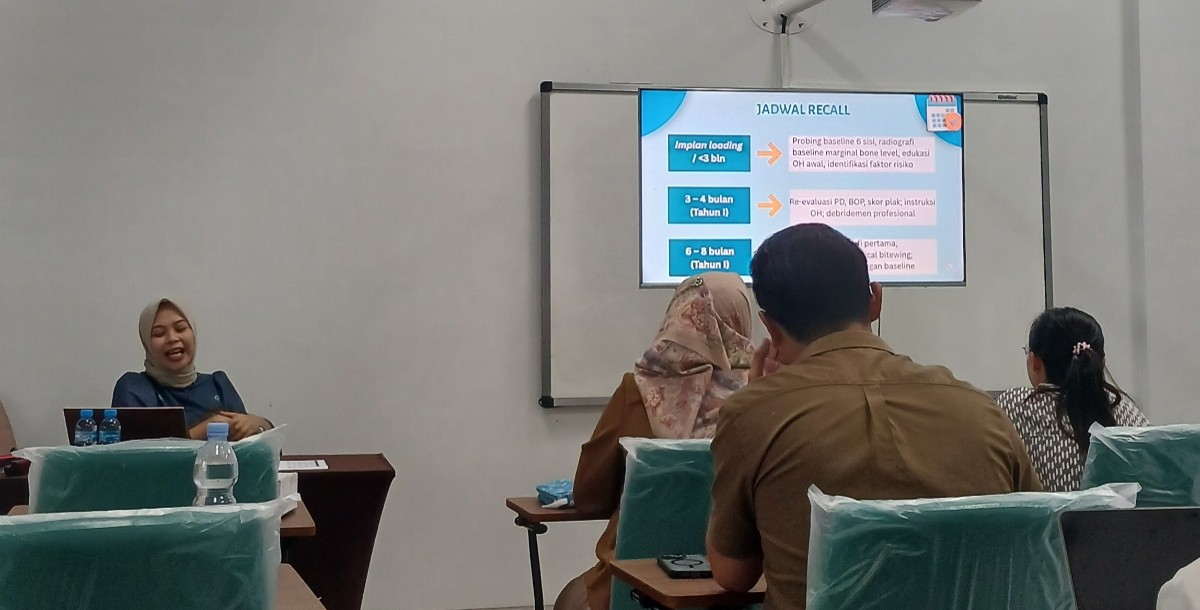
The long-term success of dental implant treatment depends not only on successful implant placement but also on consistent postoperative care and monitoring. This message was delivered by drg. Adella Syvia Maharani, MDSc., Sp.Pros. during the Dental Implant Course held on the second floor of the Margono Soeradji Building, Faculty of Dentistry, Universitas Gadjah Mada (FKG UGM), on Wednesday (24 June 2026).
During the session, Drg. Adella emphasized the importance of regular follow-up appointments, patient education, and maintaining implant hygiene to prevent complications such as peri-implant mucositis and peri-implantitis , both of which may ultimately lead to implant failure.
"Implant treatment does not end once the implant has been placed. Patients must understand how to care for their implants and attend regular follow-up visits to maintain the health of the surrounding tissues and supporting bone," she explained.
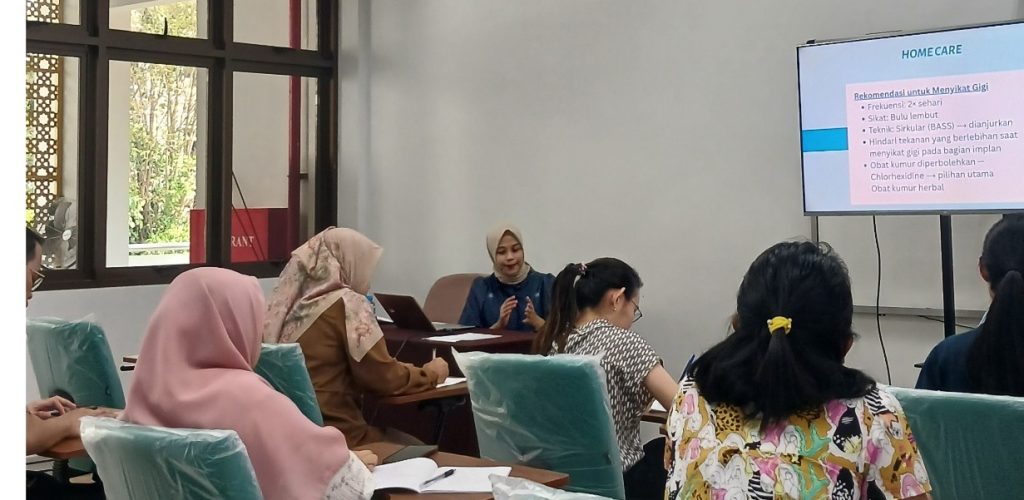
According to Drg. Adella, one of the greatest challenges in implant therapy is ensuring patient adherence to postoperative instructions. Educating patients about oral hygiene, proper medication use, and the importance of avoiding specific risk factors forms an integral part of successful treatment.
She also explained the differences between healthy peri-implant tissues and tissues showing early signs of inflammation. Indicators such as redness, bleeding on probing, increased pocket depth, and bone loss should be recognized as early warning signs of peri-implant disease.
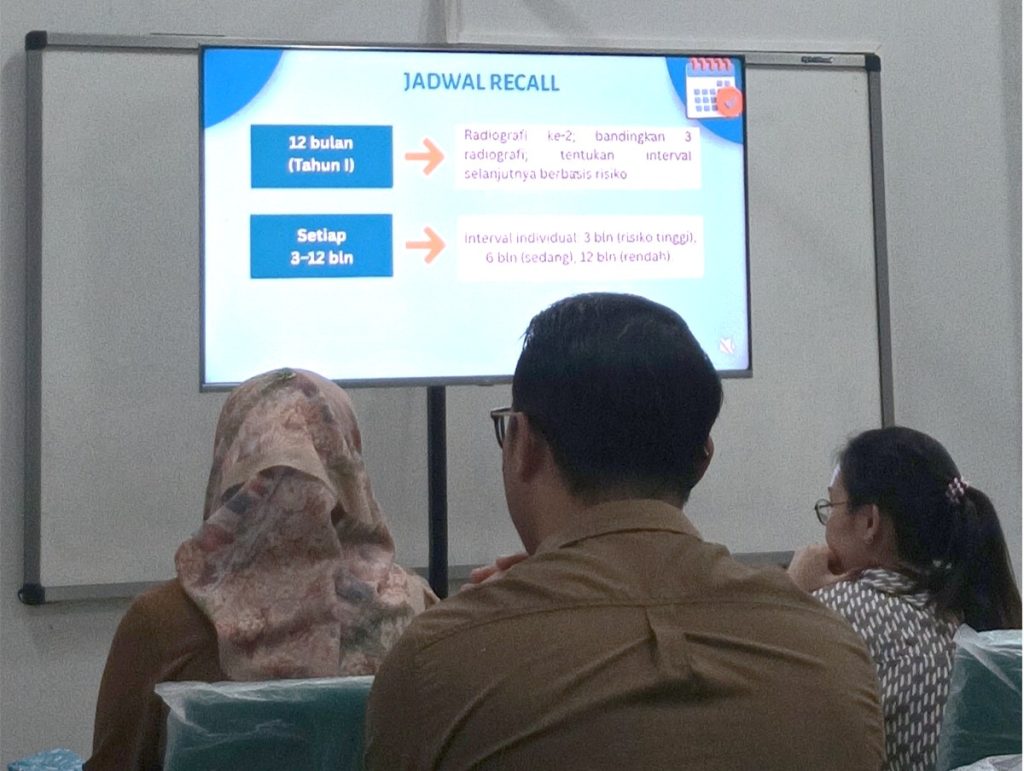
Participants were also introduced to clinical and radiographic evaluation protocols following implant placement. Assessments include soft tissue health, implant stability, implant mobility, Bleeding on Probing (BoP), and changes in supporting bone height monitored through periodic radiographic examinations.
"Regular monitoring is essential. Clinical and radiographic evaluations allow us to detect problems early so they can be managed before progressing into more serious complications," she said.
The presentation also covered the importance of selecting maintenance instruments that are safe for implant surfaces, including the use of specific non-metallic instruments, interdental brushes, and appropriate cleaning techniques. According to Drg. Adella, using inappropriate instruments may damage implant surfaces and increase the risk of plaque accumulation.
The Dental Implant Course serves as an important competency development program for dentists, particularly in understanding the long-term maintenance and evaluation of implant patients. With a thorough understanding of post-implant care, clinicians are expected to achieve more predictable and lasting treatment outcomes.
Reporter: Anny Anggraini, Photographer: Anny Anggraini, Editor: Andri Wicaksono