
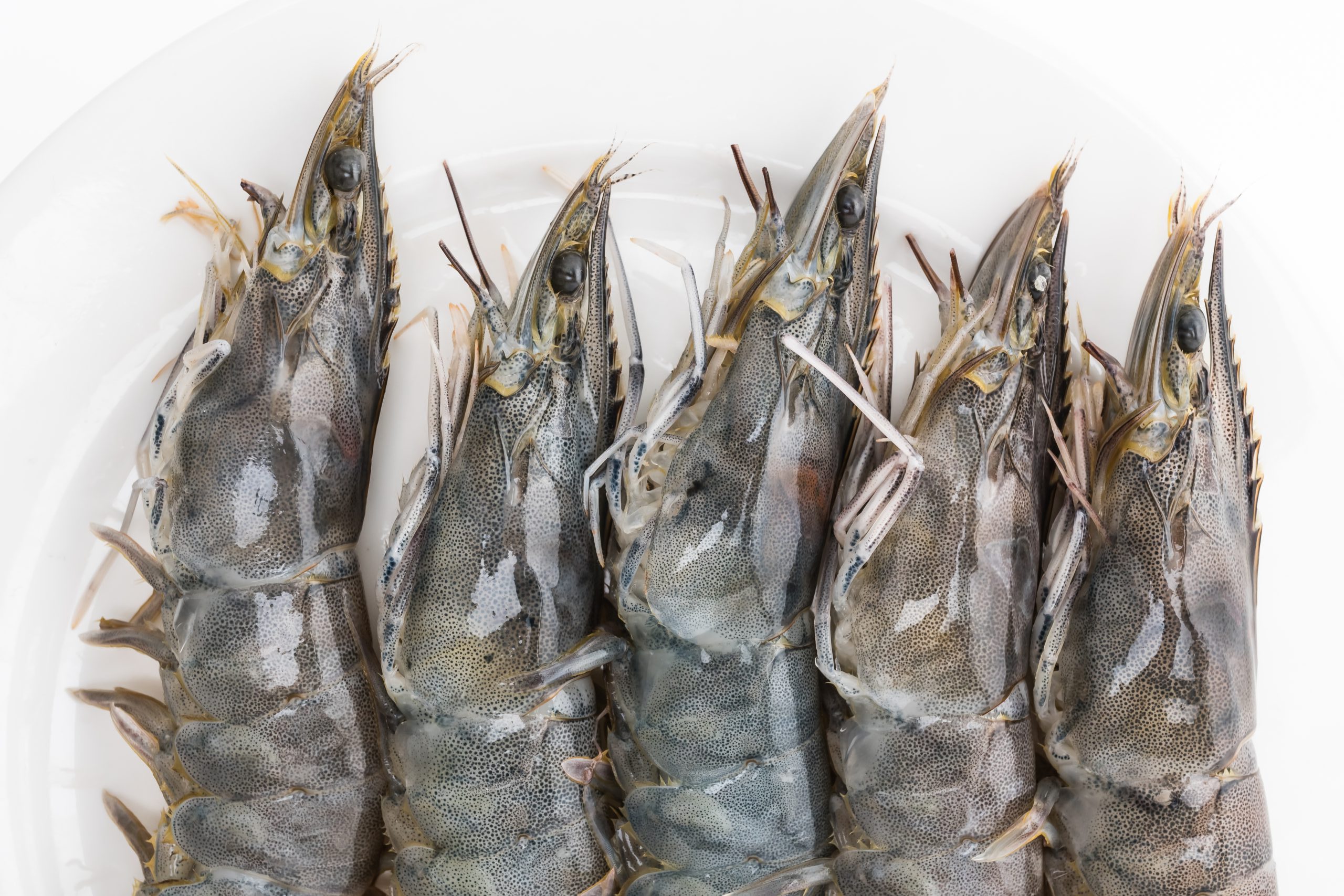
A research team from the Department of Conservative Dentistry, Faculty of Dentistry, Universitas Gadjah Mada (UGM), led by drg. Raras Ajeng Enggardipta, MDSc., Sp.KG, has developed a new formulation designed to significantly improve the success of root canal treatment by using chitosan nanoparticles derived from shrimp shell waste. The important finding, published in the August 2019 issue of Indonesian Dentistry Magazine, was based on laboratory testing involving 30 premolar teeth and addressed the problem of bacterial leakage that frequently contributes to treatment failure. The formulation works by utilizing the nanoscale size and chemical properties of chitosan, enabling it to enter and seal microscopic gaps within tooth pores that conventional adhesives cannot reach.
This innovation is encouraging news for millions of patients who undergo root canal treatment, a procedure that is often considered frightening but can ultimately save a tooth from extraction.
Root canal treatment aims to remove infected tissue from inside the root canal and then seal the canal tightly to prevent bacteria from entering again. This sealing process is known as obturation, and the quality of the seal is a major determinant of the long-term success of dental treatment.
However, achieving a completely sealed root canal all the way to the apex is not easy. The most commonly used filling material, gutta-percha, combined with an epoxy resin-based sealer, can still leave microscopic gaps. These tiny spaces between the filling material and the tooth wall can serve as pathways for bacterial infiltration, potentially causing treatment failure and eventually forcing patients to experience pain again and return to the dentist.
This limitation occurs partly because conventional adhesive particles are too large to penetrate the tiny pores of the tooth, known as dentinal tubules. In addition, human root canals are moist environments, whereas the resin sealers traditionally used are hydrophobic, meaning that they repel water. This is where the idea of using nanotechnology based on shrimp shell-derived materials emerged as a potential solution.
Chitosan is a natural biopolymer extracted by processing chitin from the shells of crustaceans such as shrimp and crabs. At the nanoscale, this material possesses several properties that are highly promising for dentistry: it is hydrophilic and readily interacts with moist environments, has antimicrobial properties, and is highly biocompatible.
Through nanotechnology-based modification, chitosan can fill wet gaps that have traditionally represented a major weakness of conventional sealers. The results were objectively evaluated through laboratory testing and advanced microscopic examination.
“The addition of chitosan nanoparticles to an epoxy resin sealer improves the apical sealing ability of root canal obturation materials,” the research team stated in the conclusion of their scientific publication.
This was not merely a claim. Laboratory testing demonstrated a striking difference in leakage levels. Teeth filled without a sealer showed severe leakage of up to 14 mm. Meanwhile, teeth treated with a standard resin sealer showed an average leakage of 2.99 mm. The best results were observed in the group treated with additional chitosan nanoparticles, where leakage was reduced to only 2.01 mm.
Chemically, the extremely small size of chitosan nanoparticles allows them to penetrate much deeper into the tooth's pores and seal hidden gaps that ordinary particles cannot reach. Chitosan's affinity for moisture also allows it to form a strong bond with the internal walls of the tooth.
Although the research is currently in vitro, using extracted teeth in a laboratory setting, this UGM innovation opens a promising path for dental medicine. Conditions inside an actual patient's mouth are far more complex because of chewing forces and temperature fluctuations. Therefore, the research team has planned further studies before the formulation can be widely applied in dental clinics.
The major advantages of this shrimp shell-based research are the abundant availability of the raw material, its renewable nature, environmental friendliness, and affordability. If the product is eventually ready for widespread clinical use, its impact could be substantial. Root canal treatment failure rates could potentially be reduced significantly, helping patients avoid repeat surgical procedures or tooth extraction, both of which are considerably more costly and invasive.
Author: drg. Achmad Zam Zam Aghasy, M.Kes., Annisa Dwi Noviyanti
Photo: FreePik
DOI: http://doi.org/10.22146/majkedgiind.40995