
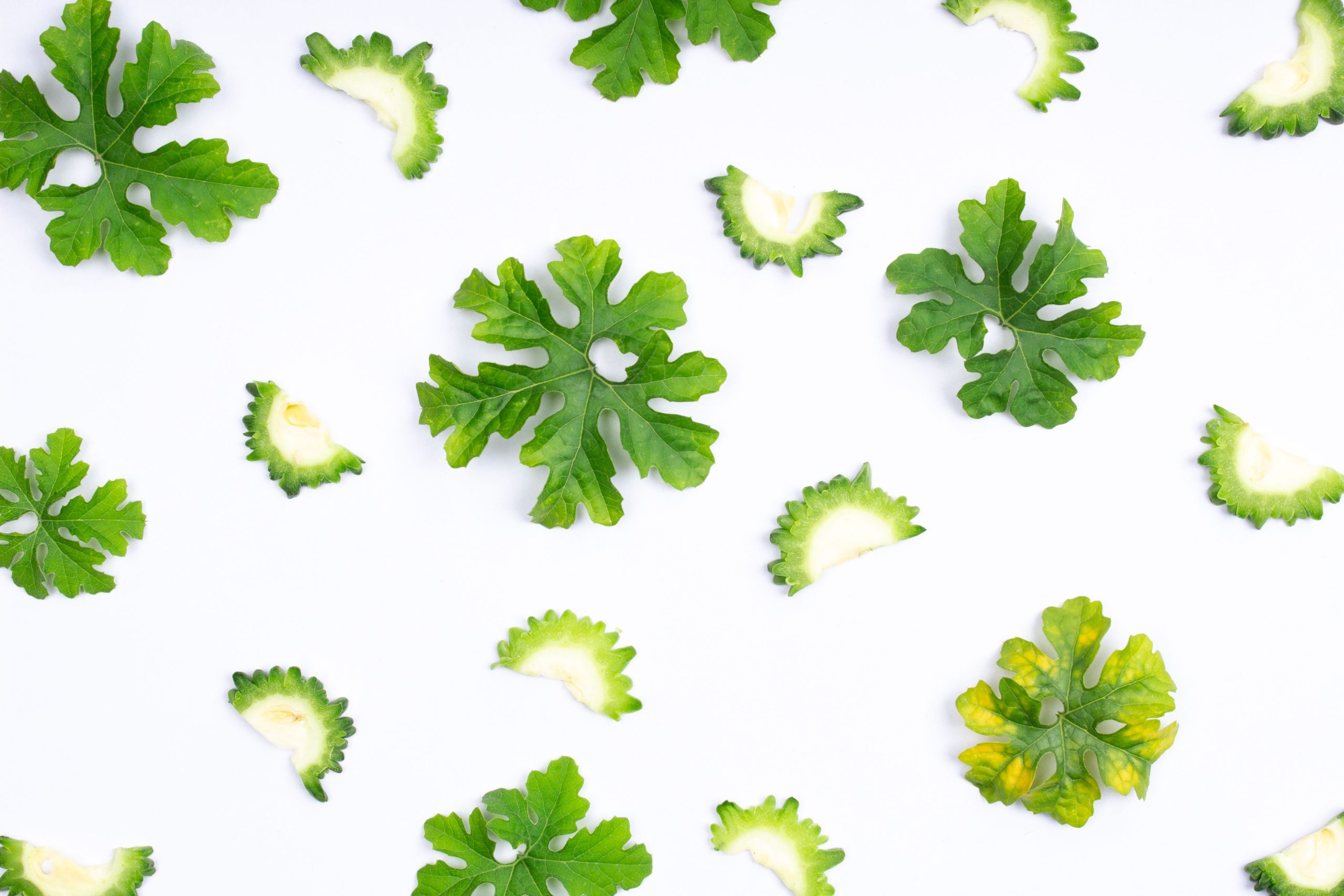
The fruit that is often avoided because of its bitter taste turns out to harbor potential that is no less promising than conventional anti-inflammatory drugs. In an experimental study published in the Indonesian Dentistry Magazine in April 2019, ethanolic extract of bitter melon (Momordica charantia) was shown to suppress inflammation in the gingival tissues of rats induced with periodontitis, with effectiveness that was statistically comparable to ibuprofen.
The study involved Prof. drg. Heni Susilowati, M.Kes., Ph.D., PBO., from the Department of Oral Biology, Faculty of Dentistry, Universitas Gadjah Mada, together with Tetiana Haniastuti and Aryudhi Armis. They posed a simple yet far-reaching question: could this traditional medicinal plant, which is readily available in local markets, become a viable alternative for people with periodontitis?
When the Gums Become Inflamed and NF-κB Becomes the Enemy
Periodontitis is not merely a case of swollen gums. This chronic infectious disease involves damage to the periodontal ligament, cementum, and alveolar bone, all of which are triggered by the body's immune response to periodontopathogenic bacteria such as Porphyromonas gingivalis and Aggregatibacter actinomycetemcomitans. Behind this destructive process lies a crucial molecular “switch”: Nuclear Factor-kappa B, or NF-κB.
NF-κB is a transcription factor that regulates the expression of pro-inflammatory cytokines. When periodontopathogenic bacteria release lipopolysaccharide (LPS), NF-κB is activated through the Toll-Like Receptor pathway in macrophages, dendritic cells, and mucosal epithelial cells. The result is an inflammatory cascade that progressively damages the tooth-supporting tissues.
This is where bitter melon comes in. Two major bioactive compounds in this fruit, Charantoside C and Momordicoside G, which belong to the cucurbitane-type triterpene glycosides, are known to inhibit TNF-α-stimulated NF-κB activation. Previous studies in HepG2 cells had already demonstrated this effect. What remained unknown was whether the same mechanism would work in an in vivo periodontitis model.
Eighty Rats, Five Groups, One Hypothesis
The researchers used 80 male Wistar rats divided into five treatment groups. Periodontitis was induced by placing a 3.0 silk ligature around the mandibular incisors for 14 days. After clinical signs of periodontitis appeared, including redness, edema, bleeding, and gingival recession, each group received a different treatment: bitter melon extract at doses of 500, 250, and 100 mg/kg body weight; ibuprofen at 100 mg/kg body weight; and distilled water as the negative control.
The treatments were administered orally three times a day using oral gavage. The rats were then sacrificed on days 1, 3, 5, and 7 after treatment. Mandibular tissues were processed for histological examination and stained with hematoxylin and eosin (HE) to observe the density of inflammatory infiltrates. Immunohistochemical analysis was also performed using monoclonal anti-NF-κB antibodies to count cells showing NF-κB activation.
The results were quite striking. On day 7, all groups receiving bitter melon extract showed a statistically significant reduction in inflammatory infiltrate density compared with the distilled-water group. However, there was no significant difference between the bitter melon extract groups and the ibuprofen group. This means that the anti-inflammatory effect of bitter melon was comparable to that of the nonsteroidal anti-inflammatory drug commonly used as a standard treatment.
“The anti-inflammatory effectiveness of ethanolic extract of Momordica charantia 500 mg/kg BW is the best compared to the ethanolic extract of bitter gourd fruit 250 mg/kg BW, 100 mg/kg BW, and ibuprofen 100 mg/kg BW.”
The 500 mg/kg body weight dose consistently demonstrated the best performance: on day 7, all rats in this group had inflammatory infiltrate densities classified as “low,” while the distilled-water group remained in the “dense” category throughout the observation period.
The Higher the Dose, the Fewer Activated Cells
The same pattern was observed in the NF-κB activation data. The number of inflammatory cells showing NF-κB activation, including neutrophils, macrophages, and lymphocytes, decreased as the observation period progressed in all active treatment groups. The 500 mg/kg body weight group consistently recorded the fewest activated cells compared with the other groups, including the ibuprofen group.
Two-way ANOVA confirmed that both dose and treatment duration had significant effects on the number of cells showing NF-κB activation (p<0.05). This pattern indicates a clear dose-response relationship: the higher the concentration of bitter melon extract, the more effectively NF-κB activation was inhibited.
The mechanism is believed to involve the action of Charantoside C and Momordicoside G in blocking TNF-α signaling that triggers NF-κB activation. When NF-κB activation is inhibited, the production of inflammatory mediators such as IL-1β, IL-6, TNF-α, and PGE2 is also reduced, thereby limiting periodontal tissue damage.
One important finding from this study is that administration of bitter melon extract at doses of up to 2,000 mg/kg body weight showed no toxic effects or behavioral changes in the experimental animals, suggesting that it may be safe as a candidate herbal anti-inflammatory agent.
From the Vegetable Stall to the Laboratory
These findings are not only scientifically interesting. In Indonesia, bitter melon is a plant that grows in home gardens, is readily available, and is affordable. If its anti-inflammatory potential can be further developed into a standardized clinical formulation, it could improve access to periodontitis treatment, particularly for populations with limited access to dental healthcare facilities or conventional medications.
Of course, the journey from the laboratory bench to the dental clinic is still a long one. Human clinical trials, extract standardization, and appropriate formulation are still required. But this is precisely where the value of research like this lies: it establishes a strong scientific foundation for something that has long been known merely as a “traditional remedy” without measurable evidence.
Bitter melon has long been regarded as little more than an accompaniment to vegetable soup. Now, at least at the molecular level, it has shown that it can fight more than just an acquired taste.
Source DOI: http://doi.org/10.22146/majkedgiind.31579
Authors: Anny Anggraini; drg. Achmad Zam Zam Aghasy, M.Kes.
Photo: Pexels