
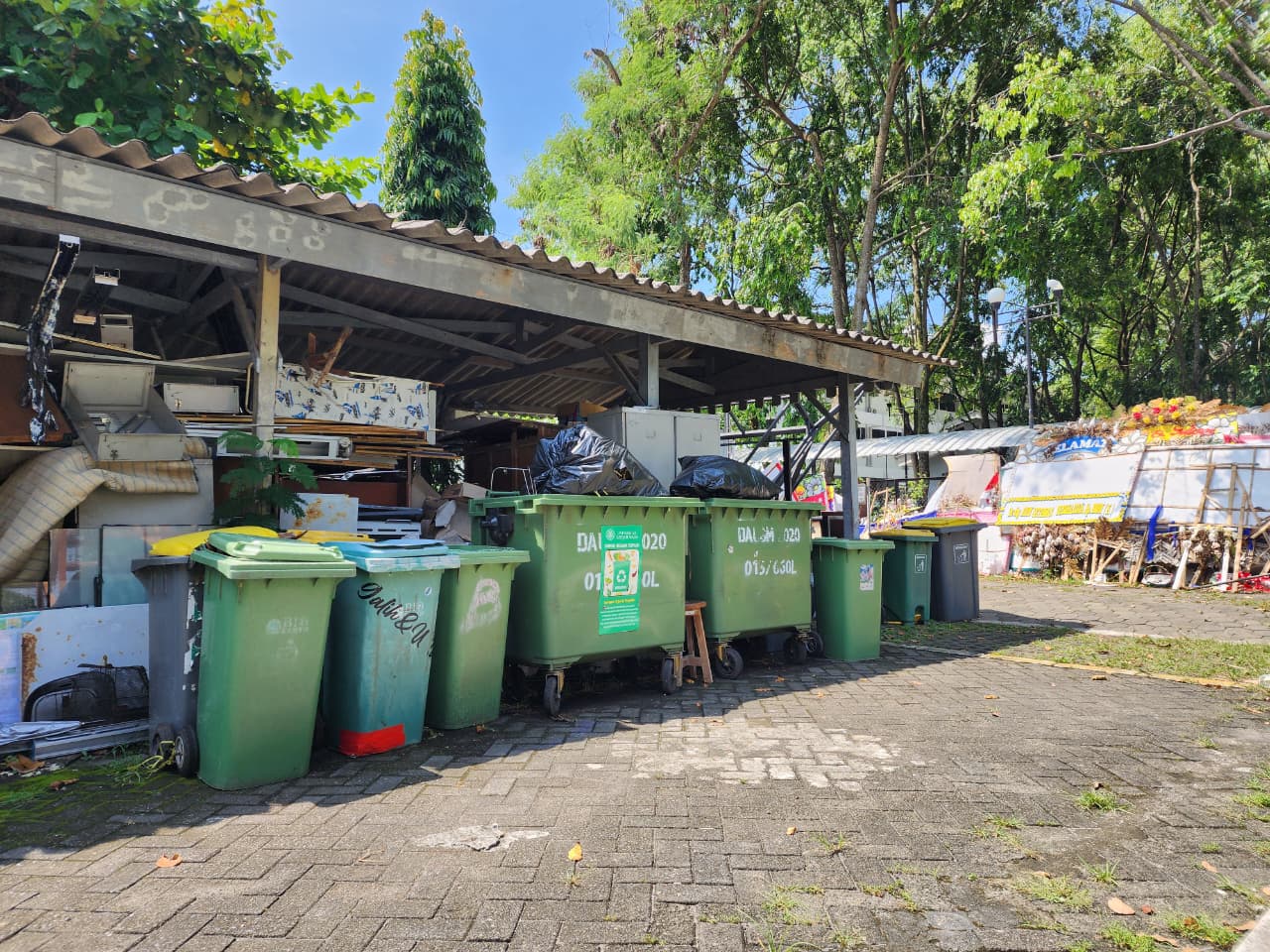
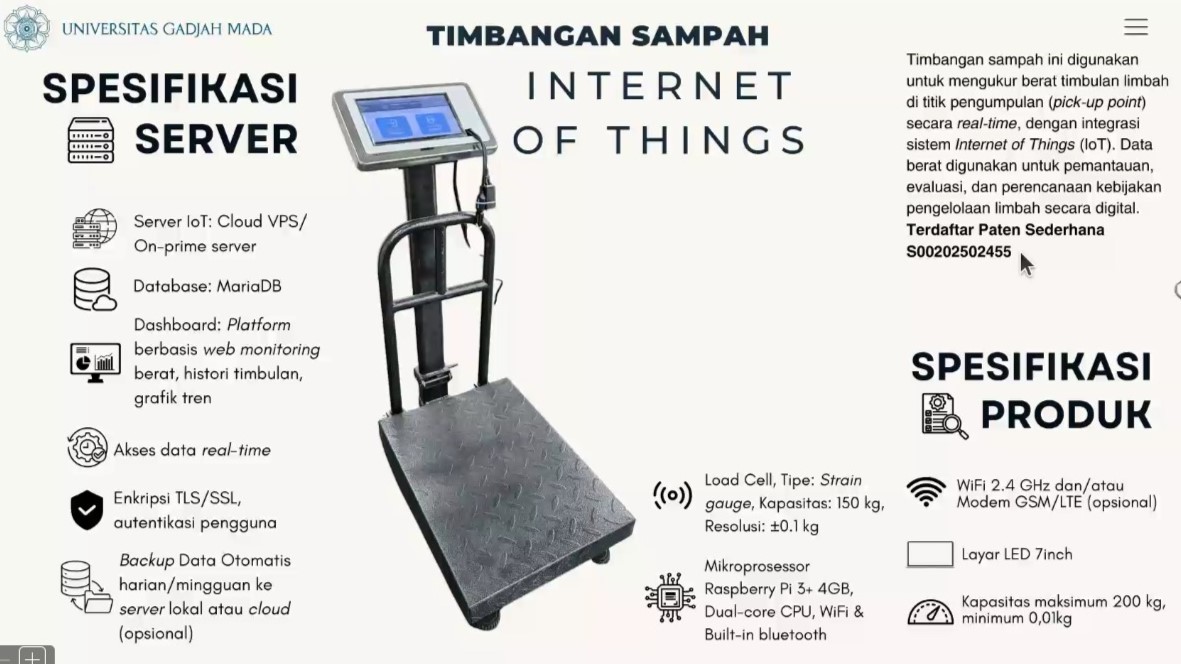
Beginning in May 2026, the waste monitoring system within Universitas Gadjah Mada (UGM) will transition to a digital system based on the Internet of Things (IoT). This digitalization plan was announced by Yakub Fahim Luckyarno during the online socialization session titled Operation and Maintenance of IoT Waste Scales held on Wednesday (29/4).
In his presentation, Yakub explained that the technology enables all waste data to be recorded in real time. “The data will later be used for monitoring, evaluation, and planning digital waste management policies through an analytical dashboard,” he stated.
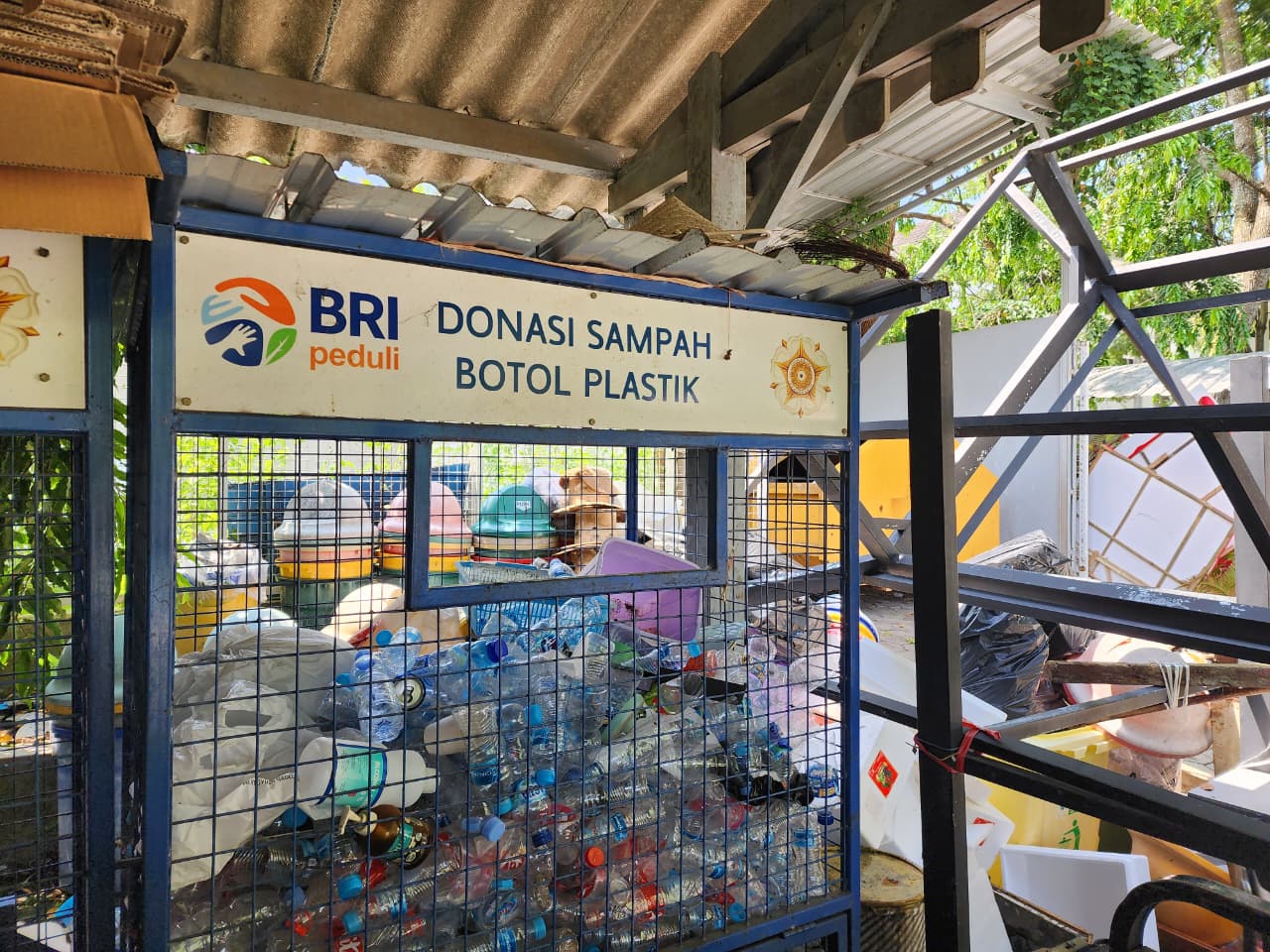
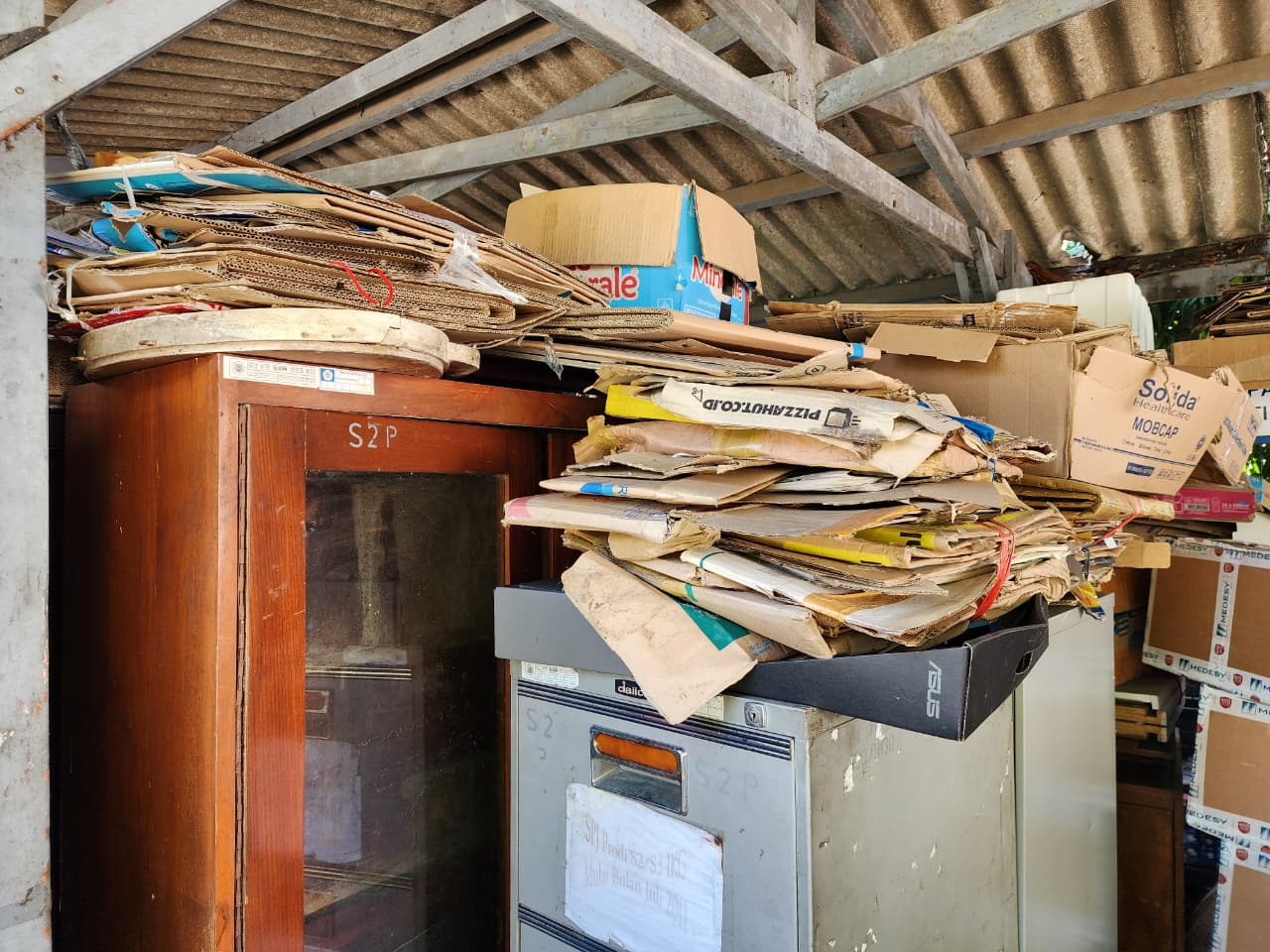
The system operates in a practical yet accurate manner. Waste is first sorted into four categories: organic, inorganic (recyclable), residual, and sweeping waste. After being weighed according to category, the IoT device immediately sends the waste volume data to a cloud-based system. Another advantage is that the data remain securely stored in the device even during power outages or electrical disruptions.
The implementation of this technology represents a concrete step by UGM in strengthening its position as a sustainable campus. The Head of the Reputation Division of the Quality Assurance and University Reputation Unit at UGM, Evita Hanie Pangaribowo, emphasized that the active involvement of each work unit through independent waste weighing is crucial to achieving the Sustainable Campus Action (SCA) targets.
Through the optimization of data-based waste management, it is hoped that every faculty and work unit will be able to contribute more measurably toward sustainable development within the university environment.
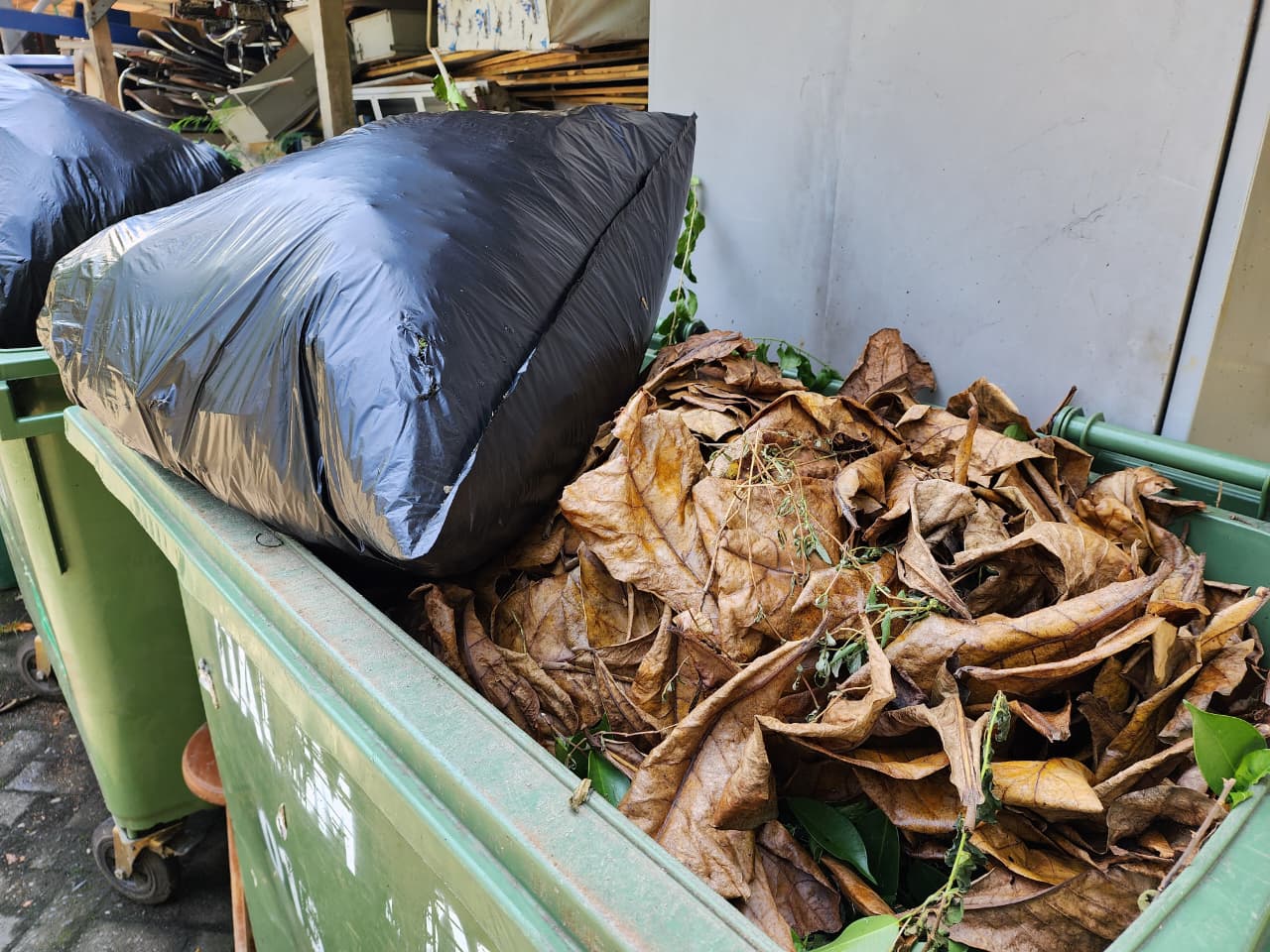
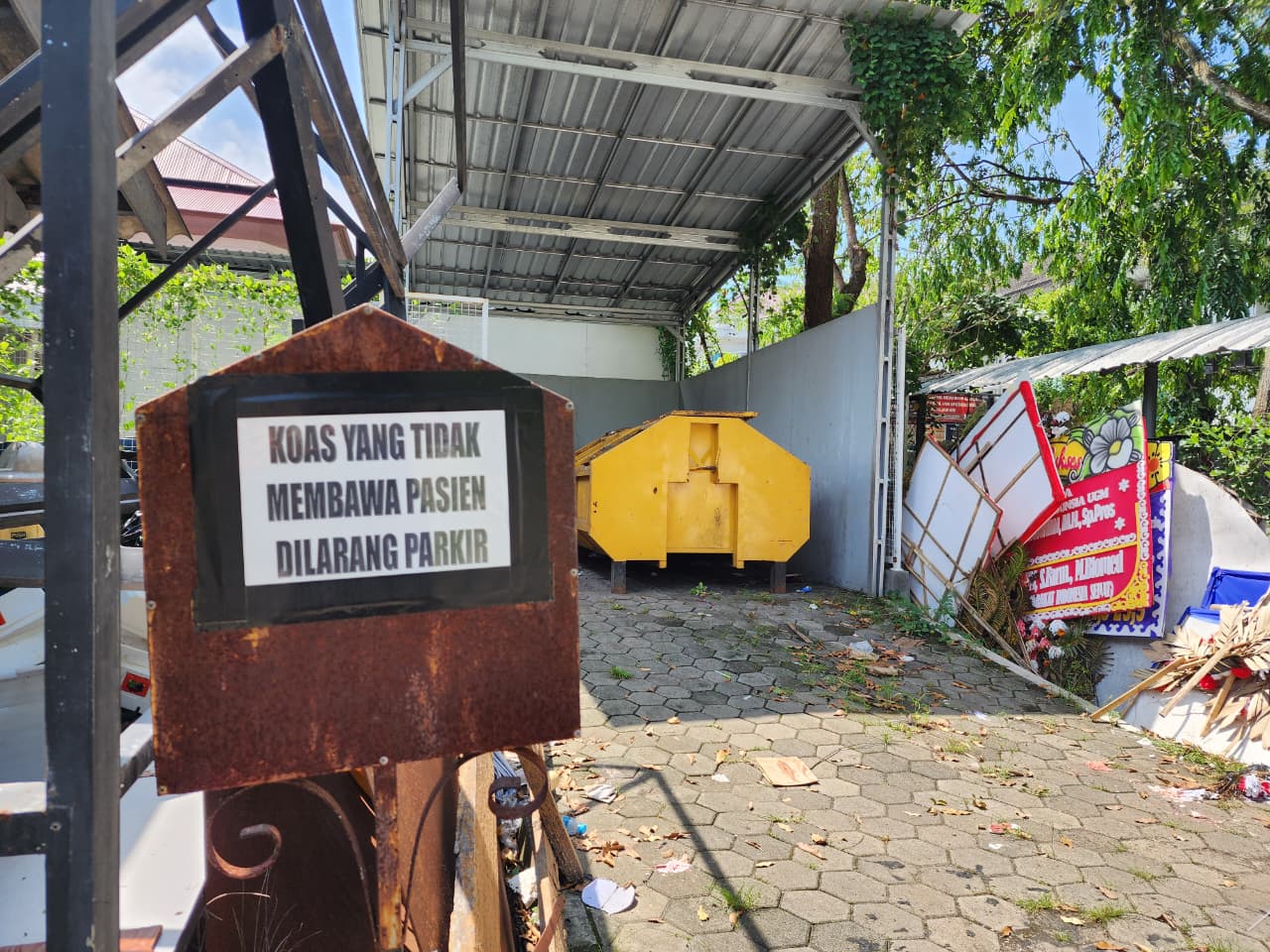
Implementation at FKG UGM
Currently, the IoT weighing devices have been distributed to various work units and faculties, including the Faculty of Dentistry (FKG UGM). As an initial step, staff members within FKG UGM will soon conduct operational trials to ensure technical readiness before full implementation in May.
Interestingly, the system also regulates waste transportation flows through the “Incoming Waste” and “Outgoing Waste” menus. Waste that has been weighed and is scheduled for collection by UGM’s official garbage trucks is categorized as “Incoming Waste.” Meanwhile, work units collaborating with third-party service providers can use the “Outgoing Waste” menu to record residual waste transported by external waste management vendors.
Author: Fajar Budi Harsakti
Photo: Fajar Budi Harsakti