
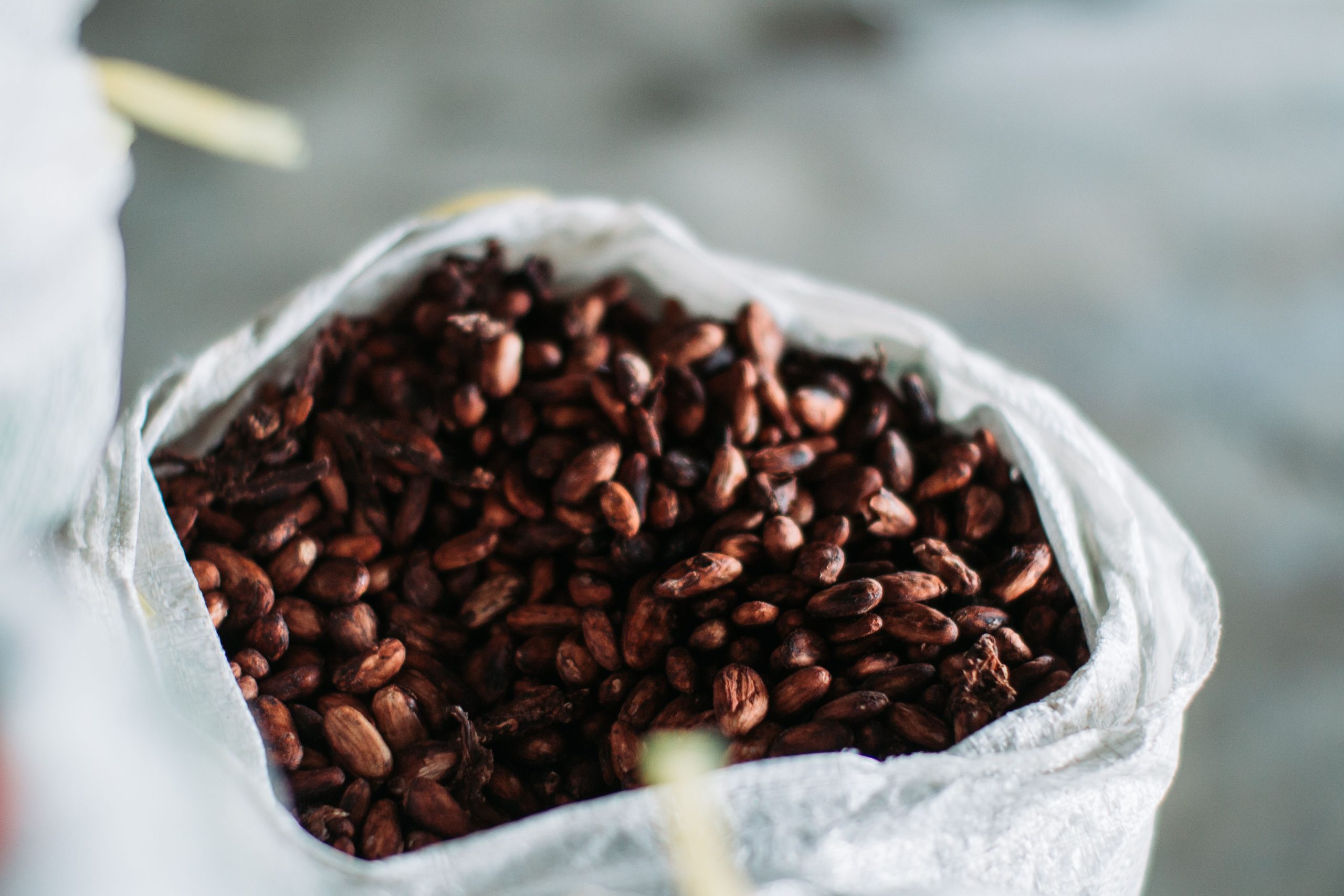
A material that has long been simply discarded at chocolate factories has unexpectedly been found to possess the ability to inhibit the growth of bacteria that cause dental plaque in children. Cacao bean shells, a waste product generated during the processing of Theobroma cacao beans after fermentation and roasting, are now the subject of serious research at the Department of Pediatric Dentistry, Faculty of Dentistry, Universitas Gadjah Mada.
A study published in the Padjadjaran Journal of Dentistry in July 2022 examined how effectively cacao bean shell extract could inhibit the growth of Streptococcus alpha, a group of bacteria commonly found in children's dental plaque and involved as “pioneers” in plaque formation.
From Factory Waste to the Microbiology Laboratory
The research team from the Postgraduate Program in Pediatric Dentistry, Faculty of Dentistry, Universitas Gadjah Mada, consisting of drg. Vonny Gunawan Siswanto, drg. Putri Kusuma Wardhani Mahendra, M.Kes., Sp.KGA., and Prof. Sri Kuswandari, obtained the raw material from a chocolate factory in Nglanggeran Village, Pathuk District, Gunungkidul Regency, Yogyakarta. The discarded cacao bean shells were processed into ethanol extracts at various concentrations: 12.5%, 25%, 37.5%, and 50%.
The test bacteria were isolated through a carefully conducted procedure: dental plaque was collected from the buccal surface of a nine-year-old girl who was free from caries. The isolate was cultured on blood agar and incubated at 37°C for 24 hours. The growing S. alpha colonies were identified by the characteristic greenish zone on the medium and were then used in the bacterial growth inhibition test.
The test was conducted at the Microbiology Laboratory of the Faculty of Medicine, Universitas Sebelas Maret. Each extract concentration was placed in 6-mm-diameter wells on Mueller Hinton Agar, along with a positive control consisting of 0.2% Chlorhexidine Gluconate (CHX) and a negative control consisting of distilled water. The inhibition zones were measured using a caliper at three different diameter points, with six replications.
Inhibition Zones That Offer Hope
The results showed significant differences among the treatment groups. The highest concentration, 50%, produced an average inhibition zone of 17.07 ± 1.01 mm. The 37.5% concentration produced 13.40 mm, the 25% concentration produced 11.45 mm, and the lowest concentration, 12.5%, produced 10.12 mm. According to the Cockerill classification standard, all concentrations fell into the “strong” antibacterial category because their inhibition zones were within the 10–20 mm range.
Nevertheless, 0.2% CHX, the gold standard for mouthwash, remained superior, producing an inhibition zone of 24.59 mm. This means that the antibacterial activity of the 50% cacao shell extract reached approximately 70% of the effectiveness of CHX.
The active compounds in cacao bean shells, including flavonoids, polyphenols, terpenoids, and alkaloids, are believed to work by damaging bacterial cell membranes and thereby inhibiting bacterial growth. An initial chromatographic study found a flavonoid content of 0.52% in the extract.
“Long-term use of CHX causes side effects such as tooth staining and an unpleasant sensation, so the purpose of this study was to develop a mouthwash with minimal side effects that would be suitable for children.”
This statement from the study discussion emphasizes that the motivation behind the research was not merely to compare two substances, but also to seek a safer and more child-friendly alternative.
Between Potential and Formulation Challenges
There is one practical obstacle that must be addressed before this extract can become a real product: the 50% concentration has a very bitter taste. The researchers noted that to develop it into a mouthwash, the extract would need to be combined with other ingredients to make it more acceptable to children. Another proposed alternative is to use it as a topical application to inhibit bacterial adhesion to the tooth surface.
A previous study by Babu et al. showed that cacao shell-based mouthwash was as effective as CHX in inhibiting Streptococcus mutans in children. Meanwhile, a study by Matsumoto found that cacao shell extract could inhibit the adhesion of S. mutans to hydroxyapatite in vitro and in vivo. These two findings further strengthen the relevance of the FKG UGM study.
S. alpha is not a single species but a group that includes S. mutans, S. sanguis, S. mitis, S. salivarius, and several other species. Testing this mixed group makes the findings more representative of actual oral conditions, although it also makes direct comparisons with CHX somewhat more complex.
Dental caries remains one of the most common health problems among children in Indonesia. If waste from a chocolate factory on the hills of Gunungkidul can one day become an affordable and safe active ingredient for children's mouthwash, then the long journey of those discarded cacao shells will have found its fullest meaning.
Source DOI: http://10.24198/pjd.vol34no2.37050
Authors: Nanda Ayu, drg. Achmad Zam Zam Aghasy, M.Kes.
Photo: Pexels