
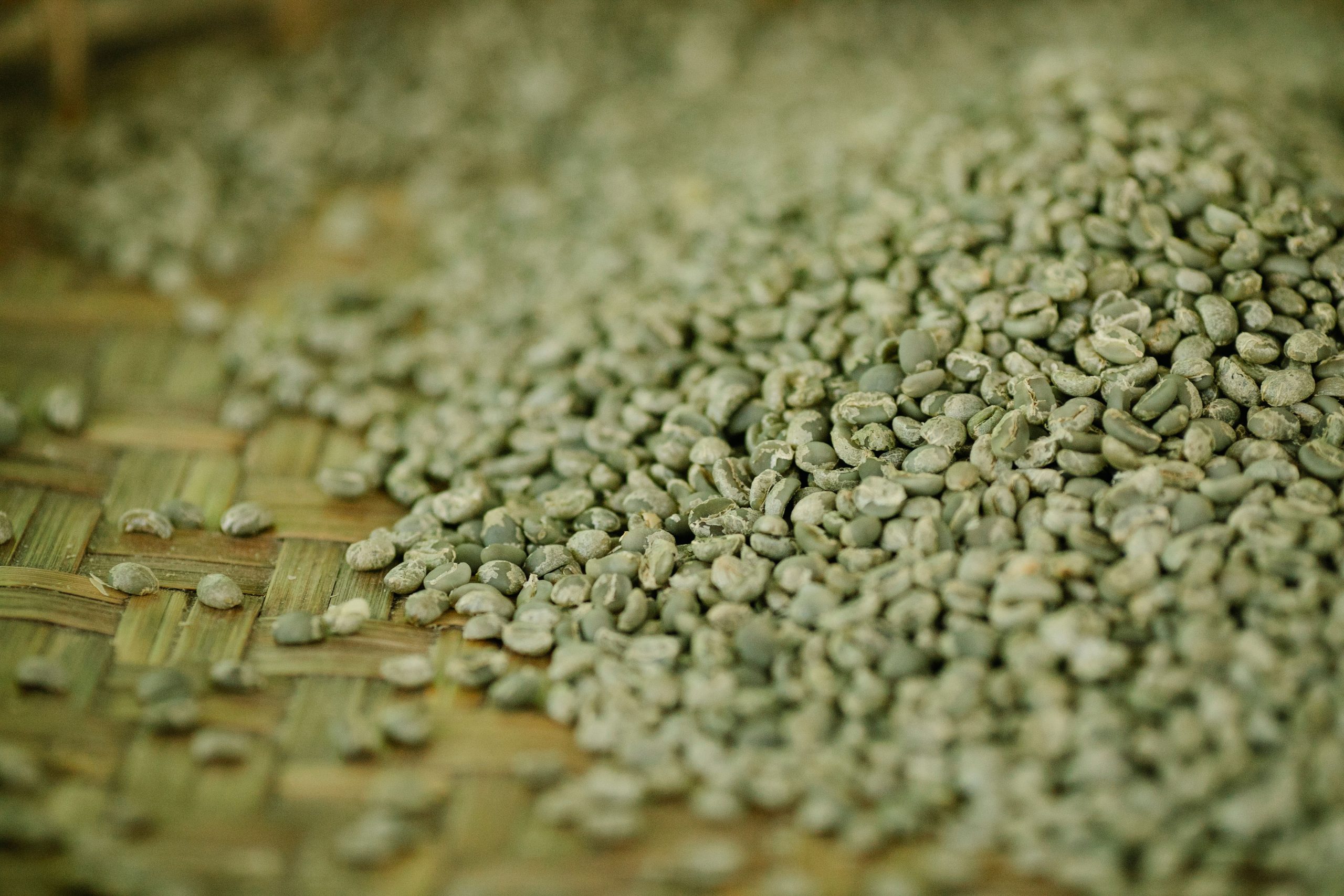
Imagine a cup of robusta coffee—still green, not yet roasted—transformed into a gel and applied to injured gum tissue in rats. This is not merely a kitchen experiment; it emerged from a serious scientific hypothesis regarding the potential of active coffee compounds as natural healing agents. The results? More complicated than expected.
A study published in the April 2023 edition of the Journal of Dentomaxillofacial Science examined the effect of green robusta coffee (Coffea canephora) gel on collagen density during the healing process of gingival wounds. The research was a collaboration involving the Department of Pediatric Dentistry, Faculty of Dentistry, Universitas Gadjah Mada, with researchers Ni-Putu I. Suryadewi, Rinaldi B. Utomo, and Dr. drg. Indra Bramanti, M.Sc., Sp.KGA(K).
When Gum Wounds Need More Than Conventional Antiseptics
Wounds in the oral cavity are common. Trauma, tooth extraction, and periodontal surgery all leave tissues that must recover through three consecutive phases: inflammation, proliferation, and remodelling. During the proliferation phase, collagen becomes a key player. This protein is not merely a biological “glue”; it forms the structural framework of connective tissue, promotes the growth of new cells, and ensures that wounds close properly.
For years, 10% povidone-iodine has been widely used as an antiseptic agent in dental clinics. However, this agent is not without limitations. Some patients experience iodine sensitivity, and its unpleasant taste is frequently reported as a drawback. Therefore, researchers began exploring natural alternatives, including green robusta coffee, which is rich in chlorogenic acid, flavonoids, caffeine, saponins, and tocopherols. These compounds are known to have antioxidant activity that theoretically may stimulate collagen formation by increasing the production of TIMP-1, an enzyme inhibitor that prevents premature collagen degradation.
Forty-Five Rats and Five Treatment Groups
To test this hypothesis, the research team used 45 Wistar rats aged between two and three months. Each rat received a standardized wound created using a 3 mm diameter punch biopsy on the labial gingiva of the mandibular incisors. This precise and standardized wound model was essential to ensure fair comparisons between groups.
The rats were then divided into five groups: Three treatment groups receiving green robusta coffee gel at concentrations of 10%, 20%, and 40%; One positive control group treated with 10% povidone-iodine; One negative control group treated with CMC-Na gel base without active ingredients. The interventions were administered twice daily for 10 days. On days 5 and 10, three rats from each group were sacrificed for histological preparation.
Collagen density was evaluated using Mallory Trichrome staining under a light microscope at 400× magnification across five microscopic fields. Scores were assigned from 0 (no collagen formation) to 3 (high collagen density). The data were analysed using the Kruskal-Wallis test and Mann-Whitney U test.
A Surprising Finding: No Significant Difference
Overall, collagen density increased across all groups between day 5 and day 10. This finding was consistent with the theory that collagen synthesis begins approximately three days after injury and continues actively for two to four weeks. The 20% green robusta coffee gel group recorded the highest median collagen density on day 10, with a score of 3.0—equivalent to the negative control group.
However, statistical analysis revealed no significant differences between the groups (p > 0.05). This means that green robusta coffee gel at concentrations of 10%, 20%, or 40% was not proven to be superior to either the positive or negative control groups in increasing gingival collagen density.
“Another possibility is that the concentration of active compounds needs to be higher to achieve the desired collagen density.”
The only statistically significant difference occurred in the povidone-iodine group, which demonstrated a significant increase in collagen density between day 5 and day 10 (p = 0.046). This suggests that povidone-iodine, despite its limitations, continued to function consistently as an antimicrobial agent by reducing contamination and creating optimal conditions for collagen formation.
Why Green Coffee Cannot Yet Become the Answer
The research team identified several factors that may explain these non-significant findings. First, the gel used in the study was not a pure extract but rather a mixture of coffee powder and gel base. This meant that various additional compounds may have interfered with the activity of the intended bioactive components.Second, robusta coffee contains sesquiterpene lactones (SLs), a group of terpenoid compounds that may ironically inhibit collagen formation and exhibit cytotoxic effects toward healthy tissues.
Third, technical factors may have influenced the results. The gel’s thicker texture due to coffee powder content could have slowed absorption, while maintaining identical wound depth among all rats was technically challenging. Furthermore, manual assessment of collagen density by human observers may have introduced potential fatigue-related bias.
This study does not close the door on green robusta coffee as a therapeutic agent. Instead, it provides a clearer roadmap: purified extracts with higher concentrations, free from inhibitory compounds, should be tested to determine whether coffee’s theoretical potential can truly translate into clinical benefits.In science, the distance between hope and evidence is always filled by the next question.
DOI Source: 10.15562/jdmfs.v8i1.1284
Authors: Nanda Ayu, drg. Achmad Zam Zam Aghasy, M.Kes.
Photo: Pexels