
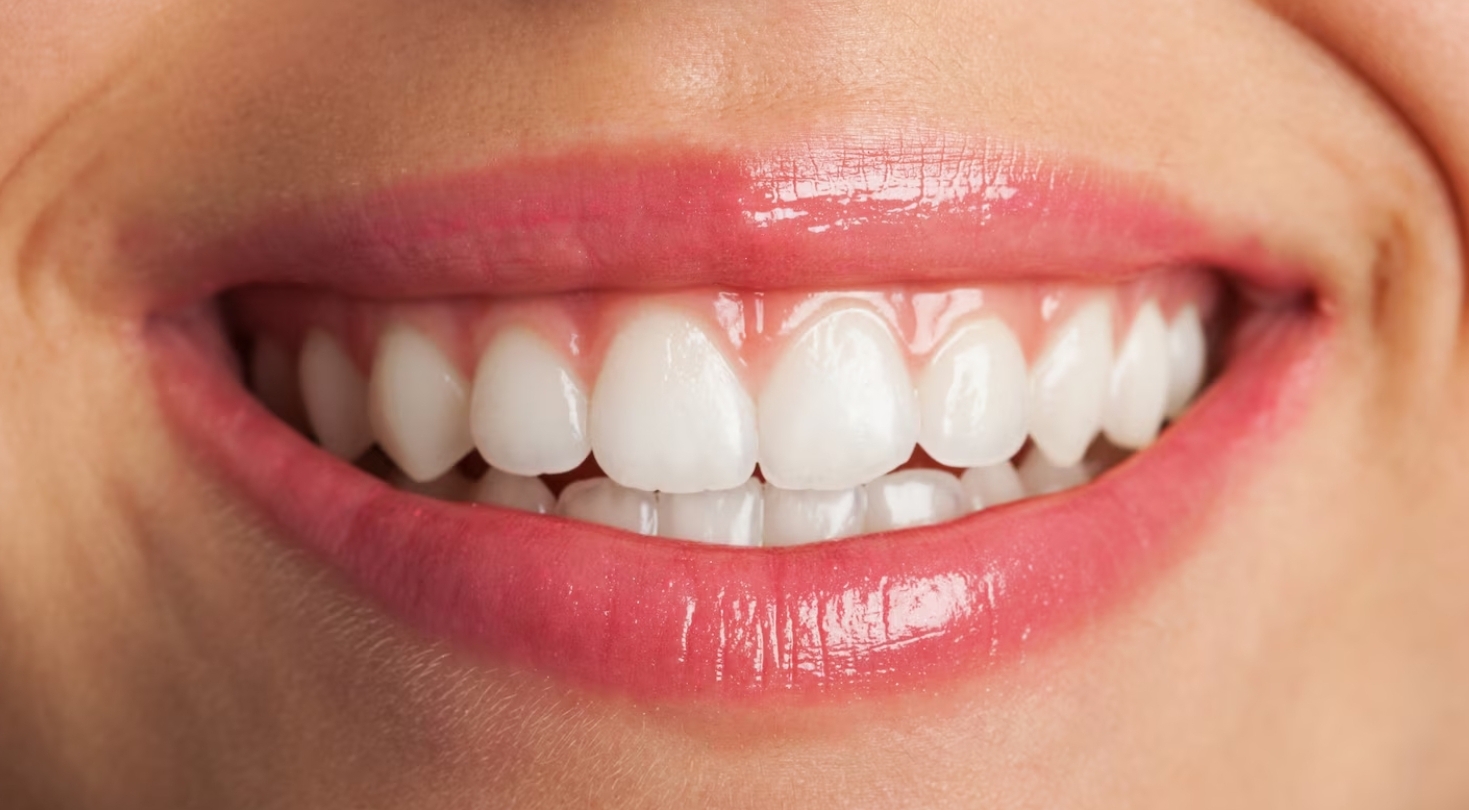
Oral hygiene is an important indicator of overall health. However, numerous studies have shown that oral hygiene levels are often influenced by socioeconomic factors. Individuals with low socioeconomic status tend to have more limited access to dental healthcare facilities, oral health education, and dental care products such as toothbrushes and toothpaste.
A study conducted by FKG UGM student Fitri Diah Oktadewi under the supervision of drg. Lisdrianto H., MPH., Ph.D. and Dr. drg. Indah Titien S., SU., Sp.KGA(K), entitled “The Relationship between Oral Health Conditions and Socioeconomic Status with Oral Health-Related Quality of Life among Visually Impaired Students Aged 7–18 Years (Assessment Using the COHIP-SF 19 Questionnaire)”, demonstrated a significant association between socioeconomic status and oral health conditions. This indicates that socioeconomic status is an important factor influencing oral hygiene and quality of life.
Background
Socioeconomic status reflects an individual’s ability to meet basic needs, including access to healthcare. In the context of oral health, socioeconomic factors influence
- Financial capacity to obtain routine dental care and oral hygiene tools.
- Education level, which affects awareness and oral hygiene behavior.
- Living environment, which may determine access to clean water and healthcare facilities.
Populations with low socioeconomic status generally show higher levels of dental caries, periodontal disease, and tooth loss. In contrast, those with higher socioeconomic status tend to brush more regularly, attend routine dental check-ups, and have greater awareness of oral health.
Relationship between Socioeconomic Status and Oral Hygiene
Oral hygiene can be assessed through plaque presence, calculus, gingival condition, and brushing frequency. Socioeconomic status influences oral hygiene through several pathways:
1. Access to Healthcare Services
Higher-income individuals have easier access to dental services for both preventive care and routine check-ups. In contrast, low-income groups often seek care only when pain or serious problems arise.
2. Education and Health Awareness
Education plays a major role in shaping oral hygiene behavior. Higher education levels correlate with better awareness and practices, such as brushing twice daily and using fluoridated toothpaste.
3. Social Environment and Community Support
Children who grow up in environments with good hygiene practices are more likely to adopt similar habits. Conversely, limited health education in low socioeconomic settings often leads to neglected oral hygiene.
4. Quality of Life and Psychosocial Impact
Poor oral conditions affect not only physical health but also self-confidence, speech, and social interaction. Research among visually impaired students at UGM shows a strong association between socioeconomic status and oral health-related quality of life.
Implications for Public Health
Understanding the relationship between socioeconomic status and oral hygiene is essential in designing public health programs. Possible strategies include:
- Expanding access to free or subsidized dental services for low-income communities.
- Implementing school- and community-based oral health education programs, especially in areas with low education levels.
- Cross-sector collaboration between health offices, schools, and social organizations to increase oral health awareness.
- Health promotion through local media to reach communities with limited access to information.
Challenges in Improving Oral Hygiene in Low-Income Communities
- High cost of dental treatment, leading to delayed care.
- Shortage of dental healthcare workers in remote areas.
- Low prioritization of oral health compared to basic needs such as food and housing.
- Limited hygiene facilities, such as clean water and adequate brushing tools.
Addressing these challenges requires a systematic approach involving education, service subsidies, and community empowerment.
***
Socioeconomic status is closely related to oral hygiene. Individuals with higher education and income levels generally demonstrate better oral hygiene practices and higher quality of life.
Research reinforces the fact that socioeconomic conditions play a critical role in determining oral health status. Therefore, efforts to improve community oral health must consider socioeconomic factors through educational, preventive, and equity-based healthcare approaches.
References
FITRI DIAH OKTADEWI, drg. Lisdrianto H., MPH., Ph.D; Dr. drg. Indah Titien S., SU., Sp.KGA(K), HUBUNGAN ANTARA KONDISI RONGGA MULUT DAN STATUS SOSIAL EKONOMI DENGAN KUALITAS HIDUP TERKAIT KESEHATAN RONGGA MULUT PADA SISWA TUNANETRA USIA 7-18 TAHUN (Penilaian dengan Kuesioner COHIP-SF 19), https://etd.repository.ugm.ac.id/penelitian/detail/190871
Author: Rizky B. Hendrawan | Photo: Freepik