
The health and psychological assessments commonly used today are considered insufficient to produce public leaders with integrity. Current standards for determining the fitness of public officials often overlook one of the most crucial aspects of preventing corruption: spiritual health.
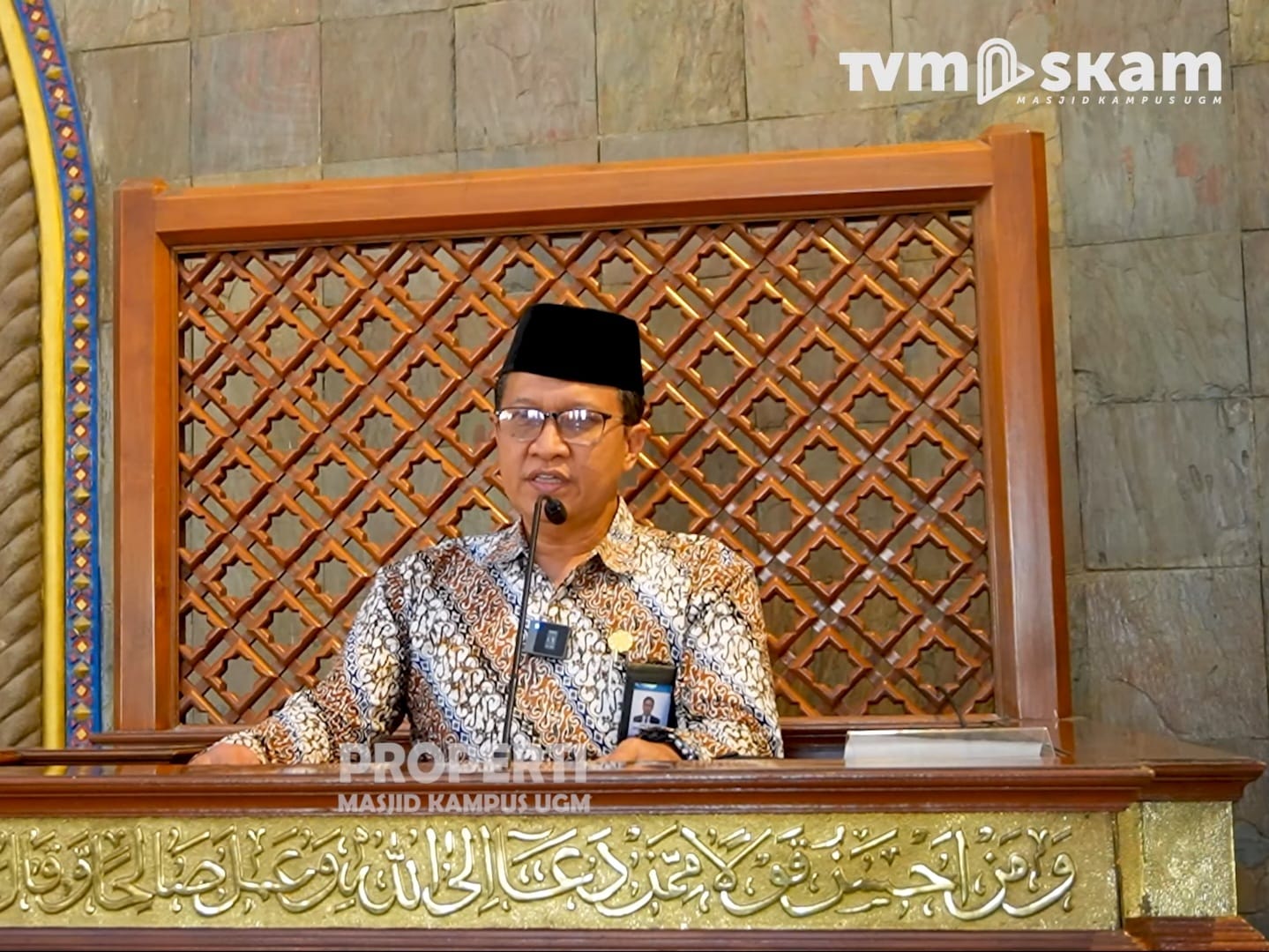
The Dean of the Faculty of Dentistry, Universitas Gadjah Mada (FKG UGM), Prof. drg. Suryono, S.H., M.M., Ph.D., argued that the widespread abuse of authority by policymakers stems from the loss of the spiritual dimension. Suryono made the statement while criticizing the declining morality of public officials during a Friday sermon at the UGM Campus Mosque on Friday (17 July).
“Officials who are already wealthy yet still engage in corruption are spiritually ill. Their minds may be healthy, but they no longer have taqwa. They no longer understand what sin and reward are, or what is lawful and unlawful.”
The phenomenon is ironic in a society that strongly upholds religious values. According to Suryono, the root of the problem lies in a misguided concept of life achievement. When a person reaches the peak of their career without a religious foundation, the power they possess becomes vulnerable to abuse.
Suryono highlighted Abraham Maslow's Hierarchy of Needs, a popular psychological theory that places self-actualization at the highest level of human achievement after basic needs, safety, social needs, and esteem have been fulfilled.
According to Suryono, this framework omits what is most essential for religious people: spiritual needs. The absence of a divine dimension can leave individuals at the self-actualization stage particularly vulnerable to turning their authority toward corrupt practices.
To close this gap, he argued that the concept of health should comprehensively encompass three pillars of balance: physical, psychological, and spiritual health.
Suryono likened a person's inner condition to the physical body, which requires regular medical examinations—or spiritual check-ups. The indicators include the quality of worship (habluminallah), honesty in social relationships (habluminannas), inner tranquility, and the sensitivity of one's reasoning when responding to temptation.
As a preventive measure, he proposed a routine form of inner recovery therapy: “Muhasabah as a means of diagnosis, repentance and istighfar as a means of detoxification, reflection on scripture and participation in scholarly gatherings as vitamins, and giving charity and doing good deeds as a form of exercise.”
Video source: Memaknai Sehat dalam Perspektif Islam
Author: Fajar Budi Harsakti
Photo: Screenshot from the UGM Campus Mosque YouTube channel