
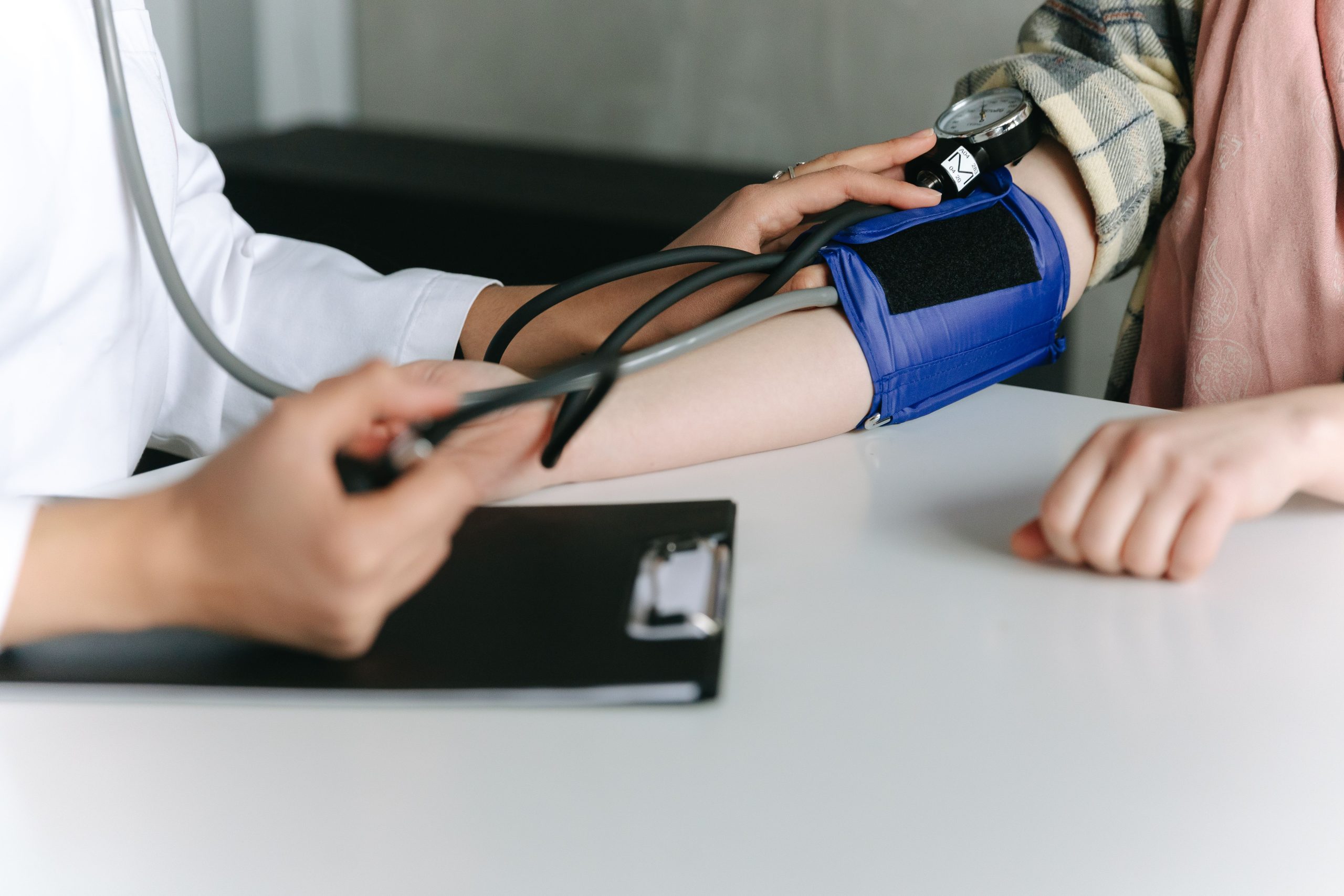
A woman’s body undergoes dramatic changes as she enters menopause. The estrogen hormone that has protected blood vessel flexibility for decades gradually declines, leaving the cardiovascular system far more vulnerable. Blood pressure rises. The risk of hypertension increases. And for millions of middle-aged women in Indonesia, this threat often emerges without obvious warning signs.
This is what prompted Prof. drg. Heni Susilowati, M.Kes., Ph.D., PBO, a researcher at the Faculty of Dentistry, Universitas Gadjah Mada, to explore a seemingly simple yet complex question: What factors have the greatest influence on the incidence of hypertension among menopausal women? Menopause Is More Than the End of the Menstrual Cycle
Menopause is an important biological milestone.
Clinically, it is defined after a woman has gone without menstruation for twelve consecutive months. However, its effects extend far beyond reproductive health.
As estrogen levels decline, the body loses one of its natural protections for the cardiovascular system. Estrogen is known to have vasodilatory effects, meaning that it helps widen blood vessels and maintain controlled blood pressure. As this hormone decreases, blood vessels become stiffer, and the heart has to work harder to pump blood throughout the body.
This condition does not occur in isolation. Prof. Heni’s research identified several interconnected factors, including age, body mass index, family history of hypertension, a high-salt diet, exercise habits, stress levels, and coffee and alcohol consumption. Each factor contributes in its own way, and their combination can become a ticking time bomb for women’s health during middle age.
Lifestyle as a Major Determinant
The data collected in this study revealed a consistent pattern: menopausal women with a body mass index above the normal range had a higher risk of hypertension. Excess body fat, particularly fat accumulated around the abdomen, directly contributes to increased insulin resistance and systemic inflammation, both of which can worsen blood pressure.
Diet is also a crucial variable. Excessive sodium consumption from salty and processed foods forces the kidneys to work harder, increases blood volume, and ultimately drives blood pressure to dangerous levels. This is not a new finding globally, but its relevance to menopausal women in Indonesia deserves greater attention.
“Risk factors for hypertension in menopausal women are multifactorial. They cannot be viewed from a single perspective—lifestyle, genetics, and hormonal changes all play a role and influence one another.”
Chronic stress is also among the significant risk factors. Psychological stress triggers the release of cortisol and adrenaline, which directly increase heart rate and constrict blood vessels. For women entering menopause while juggling demanding family and professional responsibilities, this burden of stress often remains hidden and unaddressed.
Family History: An Inheritance That Cannot Be Ignored
One particularly noteworthy finding was the strong influence of family history. Women whose parents or siblings have hypertension are more likely to develop the same condition, particularly as they enter menopause. Genetic factors interact with hormonal changes, creating a combination of risks that can amplify one another.
However, the study did not stop at identifying risk factors. Its more important message lies in the implications: because many of these risk factors are modifiable, timely intervention can make a real difference. Dietary changes, increased physical activity, stress management, and regular blood pressure monitoring are concrete steps that can be taken before hypertension takes hold.
From the Laboratory to Public Awareness
This research extends beyond the boundaries of a single discipline. For dental professionals, the findings reinforce the understanding that systemic conditions such as hypertension can have manifestations in the oral cavity, and vice versa. Oral health and overall health are two sides of the same coin.
More importantly, Prof. Heni’s research reminds us that menopause is not the end of health vigilance, but rather the beginning of a phase that requires greater attention. Women entering this stage deserve adequate information, easy access to health examinations, and an environment that supports a healthy lifestyle.
Blood pressure is a number. But behind that number is a life struggling to maintain its balance.
Source DOI: https://doi.org/10.25047/j-kes.v5i3.24
Authors: Anny Anggraini; drg. Achmad Zam Zam Aghasy, M.Kes.
Photo: Pexels