
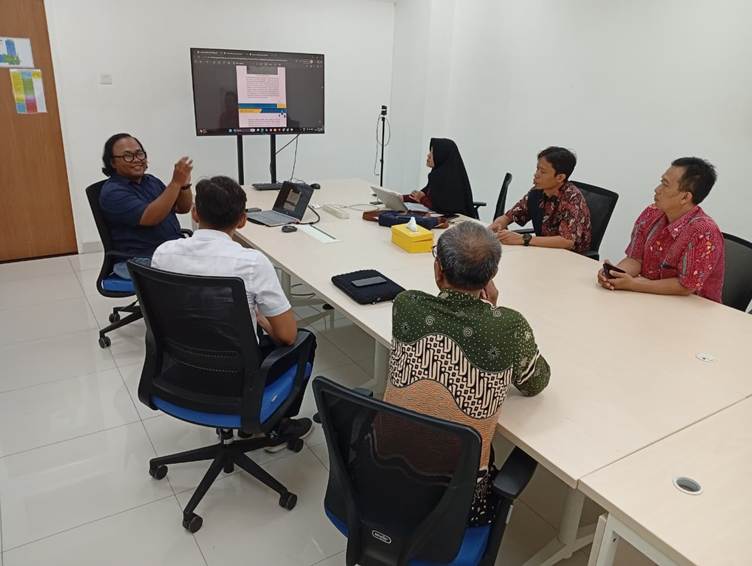
The Faculty of Dentistry Universitas Gadjah Mada (FKG UGM) has begun developing a major initiative in water resource management through a plan to utilize rainwater and process it into potable water using Reverse Osmosis (RO) technology. This initiative is not only intended to address the campus’s clean water needs but also serves as a long-term strategy to respond to groundwater limitations and increasing dependence on municipal water supply services.
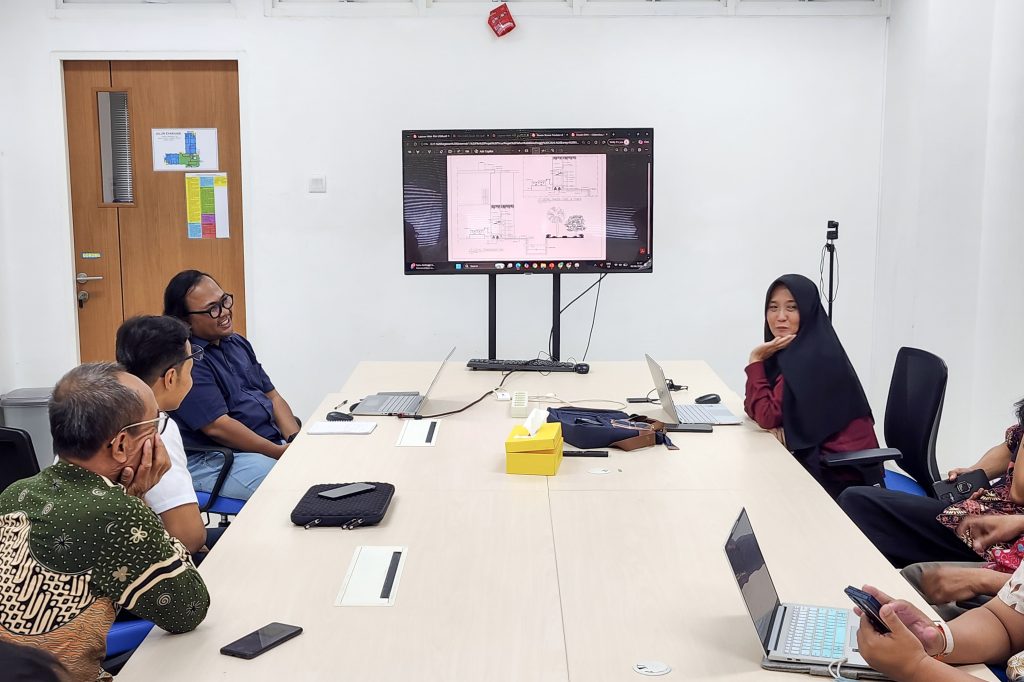
The idea of transforming rainwater was discussed during a forum involving FKG UGM, the faculty’s technical team, and representatives from the UGM Vocational School, which has been developing various sustainable water management projects. The meeting discussed the preparation of a feasibility study, Detailed Engineering Design (DED), investment planning, and the potential economic benefits generated from the rainwater harvesting system to be developed.
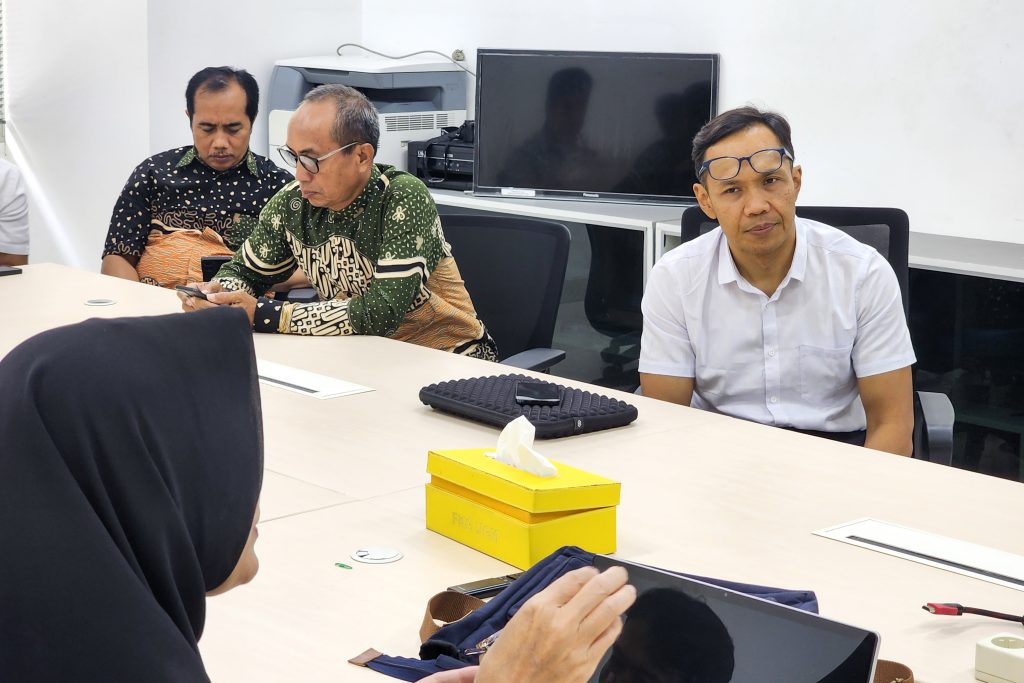
Vice Dean of FKG UGM for Human Resources, Finance, Assets, and IT, drg. Heribertus Dedy Kusuma Yulianto, M.Biotech., Ph.D., emphasized that clean water availability will become a strategic issue in the future. Therefore, FKG UGM needs to begin developing sustainable alternative water sources that do not fully depend on groundwater or municipal water supplies.
“FKG has started considering independent water management so that it can be used as drinking water. This is not only about cost efficiency but also part of our responsibility toward environmental sustainability,” he stated during the discussion.
Rainwater Now Recognized as a Drinking Water Source
The development of this system gained further momentum after the Indonesian Food and Drug Authority (BPOM) issued a regulatory nomenclature in 2025 that allows rainwater to be processed to meet drinking water standards and be legally produced.
For many years, the utilization of rainwater as drinking water faced regulatory challenges. With clearer legal foundations now available, opportunities for developing rainwater harvesting technology have become increasingly open.
“In the past, people could not sell rainwater as drinking water because there was no official classification for it. Now, regulatory foundations are available, creating much greater opportunities for utilization,” explained Pratama Tirza Surya Sembada, S.Tr.T., M.Sc., a speaker from the UGM Vocational School’s water infrastructure governance team.
This condition provides an opportunity for FKG UGM not only to collect rainwater but also to process it into a safe campus drinking water source that meets health standards.
The Threat of Declining Groundwater Availability
The discussion revealed that UGM is facing major challenges related to groundwater management. Environmental conservation policies encourage a gradual reduction in groundwater extraction, requiring various campus units to begin seeking alternative water supplies.
Participants agreed that dependence on conventional water sources can no longer be maintained in the long term. In addition to environmental factors, urban development around the campus area has increased pressure on groundwater reserves.
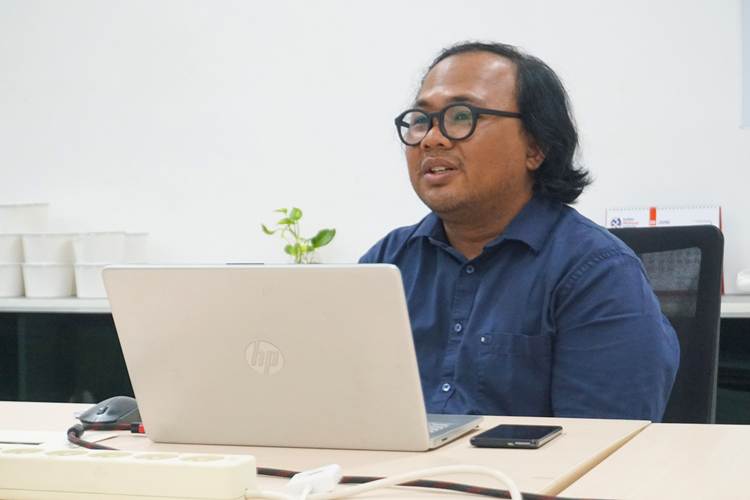
“In the future, UGM can no longer depend on groundwater extraction. Therefore, replacement strategies must begin to be prepared from now,” said Wulansari, S.S., Head of the FKG UGM Administrative Office.
Field data indicate that several areas surrounding the campus have begun experiencing impacts from declining groundwater quality and availability due to increasing construction of hotels, apartments, and boarding houses that rely on deep wells.
Learning from Pilot Projects
As part of the initial assessment, the development team presented several pilot projects that have been implemented within UGM and other regions.
One example used as a reference is a rainwater harvesting system installed on a building with an area of approximately 11,000 square meters. The system is capable of storing up to 334 cubic meters of water and producing around 9 million liters of water annually. The collected water is used for various building needs, reducing dependence on external water sources.
This experience is considered relevant for FKG UGM, which has a large building roof area and significant rainwater harvesting potential.
According to the technical team, the upcoming analysis will cover daily water requirements, storage capacity, pipeline network design, RO installation location, electricity requirements, carbon footprint calculations, and investment payback periods.
Not Only Cost-Efficient but Also Environmentally Friendly
From an economic perspective, the system is projected to reduce long-term expenses related to purchasing water from external providers. However, the greater benefits lie in environmental sustainability.
Rainwater utilization can reduce surface runoff, which has often contributed to flooding during the rainy season. In addition, water infiltration and storage systems can help maintain the balance of the hydrological cycle within the campus area.
The development team has also proposed an integrated concept combining rainwater harvesting, drinking water processing, and groundwaterrechargetechnology to maintain the sustainability of underground water reserves.
“There must be continuous action. We are facing the reality that groundwater reserves are becoming increasingly depleted. The campus must become an example of how rainwater can be utilized optimally and responsibly,” said Wulansari, S.S.
Toward a Green Campus for FKG UGM
The planned development of a rainwater-based RO system is part of FKG UGM’s transformation toward a greener campus with greater independence in resource management.
The initial stage will involve preparing a feasibility study and DED to map the potential for rainwater harvesting throughout the faculty environment. The document will later serve as the foundation for decision-making regarding investment, infrastructure development, and long-term operational schemes.
More than just an infrastructure project, this initiative reflects a paradigm shift in modern campus management: utilizing local resources, reducing environmental pressure, and creating a resilient system to face future water challenges.
“What we want to build is not merely a drinking water facility, but a system capable of meeting campus needs while preserving environmental sustainability for future generations,” emphasized the development team during the forum.
By harvesting every drop of rainwater that falls on campus buildings, FKG UGM is preparing a new foundation for a greener, more independent, and sustainable future.
(Reporter: Andri Wicaksono, Photographer: Fajar Budi Harsakti)