
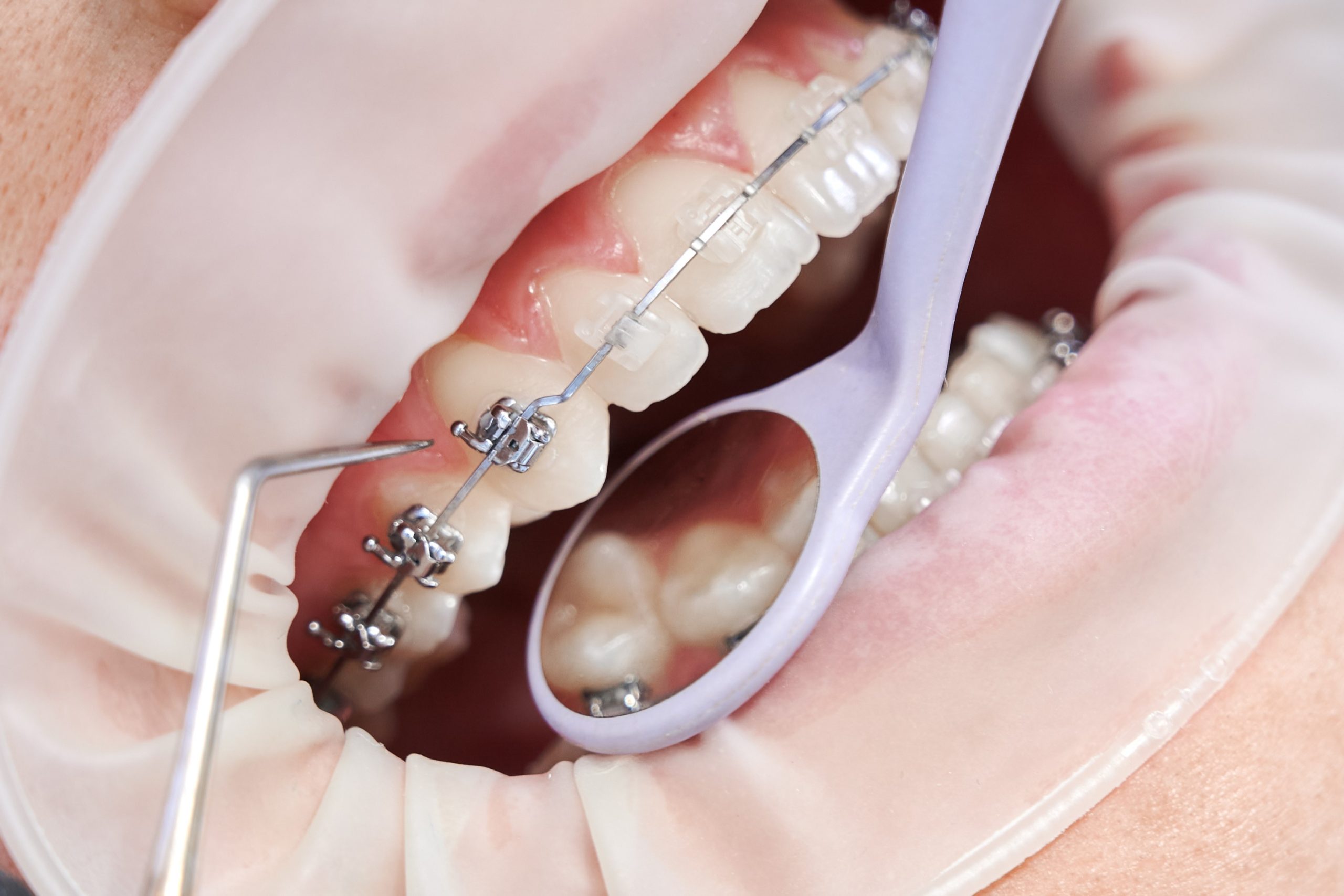
Orthodontic treatment, such as braces installation, is often a long journey that may take up to two years or more. Beyond its lengthy duration, orthodontic care can also pose risks to oral health, including cavities and gingivitis. These challenges burden both patients and dentists seeking to provide optimal care. Therefore, innovations are needed to accelerate tooth movement effectively without adding risks or invasive procedures.
Drg. Aulia Ayub, Sp.Ort. discovered that injections of advanced platelet-rich fibrin (a-PRF)—a blood concentrate derived from a patient’s own blood—can significantly accelerate orthodontic tooth movement. This was evidenced by a marked increase in bone morphogenetic protein-2 (BMP-2), a bone-forming protein, in the a-PRF group compared to those receiving regular PRF.
The study used an animal model with 45 rabbits divided into three groups: no treatment, regular PRF, and a-PRF. Each rabbit was fitted with orthodontic appliances and received periodic PRF or a-PRF injections in the gum area. “Tissue samples were taken on days 0, 3, 7, 14, and 21 for analysis using immunohistochemistry to measure BMP-2 expression,” Aulia explained.
Findings showed that a-PRF enhanced bone remodeling during orthodontic tooth movement. Unlike conventional PRF, a-PRF is processed through slower centrifugation, yielding higher concentrations of growth factors with longer-lasting effects. “Since this product is derived from the patient’s own blood without chemical additives, a-PRF is considered safe and can be applied as an adjunctive procedure in routine orthodontic practice,” he said.
He emphasized that orthodontic patients without a-PRF often face lengthy treatment times and complications such as cavities, gum inflammation, and declining motivation to maintain oral hygiene. By contrast, a-PRF can shorten treatment duration and minimize risks, offering substantial benefits to both patients and dental professionals.
Aulia expressed her hope that a-PRF would soon proceed to clinical trials in humans. “This type of research must continue toward clinical studies. If proven safe and effective, a-PRF could become a new standard in modern orthodontic treatment—more efficient and with fewer risks,” he concluded.
Author: Fajar Budi Harsakti
Photo: Freepik

