
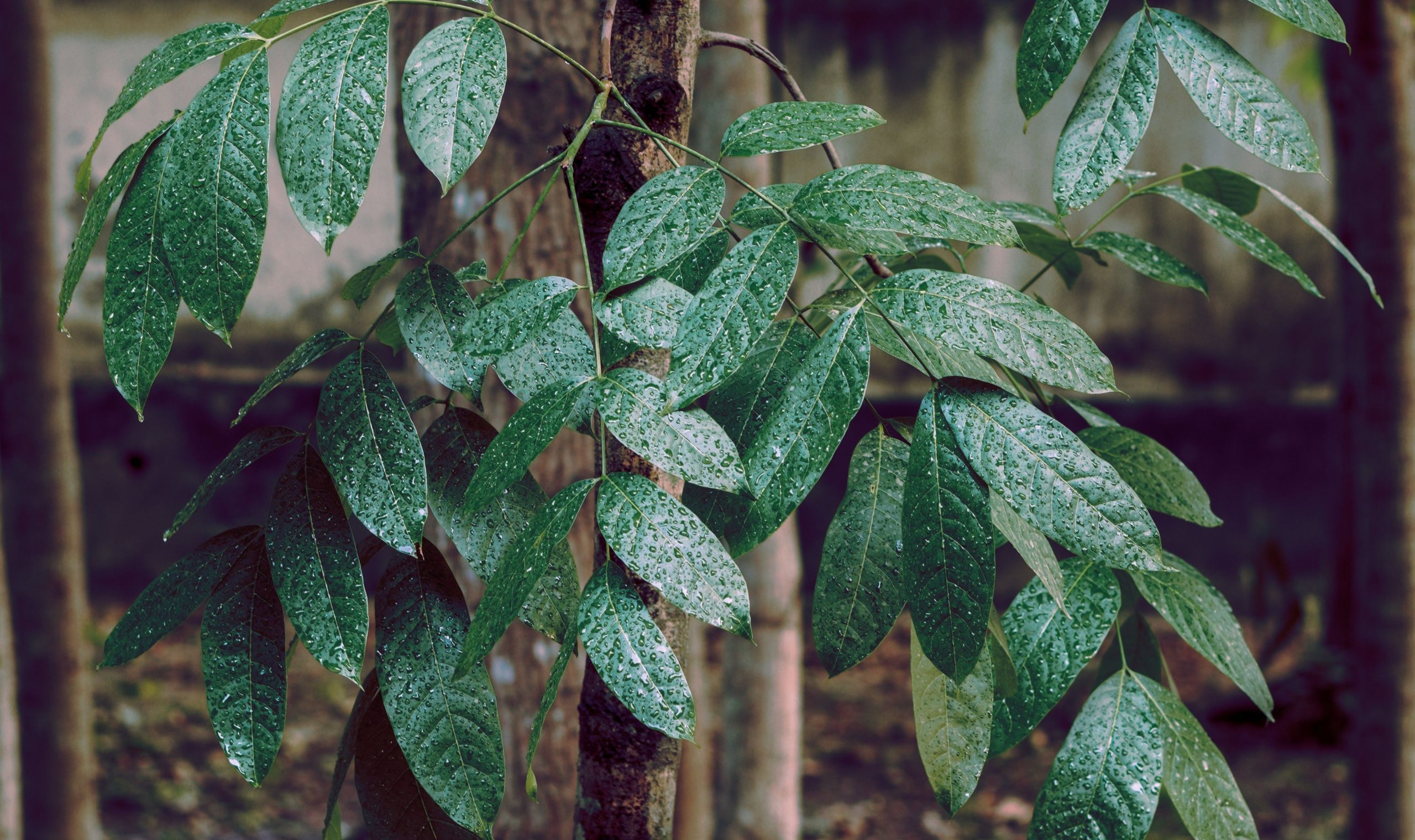
A concentration of 22.5 percent. That figure turned out to be enough to produce zero colonies of Streptococcus mutans attached to the hydroxyapatite surface. Not a single one. The result may sound technical, but its implications are much broader: jamblang leaves, from a tree that grows wild in home gardens and along rice fields, may hold potential as a natural weapon against dental caries in children.
That was the key finding of a study involving a team of researchers from multiple institutions, including Prof. Dr. drg. Al. Supartinah, Sp.KGA from the Department of Pediatric Dentistry, Faculty of Dentistry, Universitas Gadjah Mada. The study was published in Advances in Health Science Research at the 2017 International Dental Conference of Sumatera Utara.
Small Bacteria, Major Damage
Streptococcus mutans is not merely a complicated Latin name. This bacterium is a major contributor to dental caries, a disease with a high prevalence among preschool children aged 4 to 6 years. It works silently: attaching to the tooth surface, forming a biofilm, and then producing acids that erode the enamel.
The key to its damaging ability lies in its virulence factors. Glucosyltransferase (gtf) helps the bacteria form water-insoluble glucans, allowing colonies to accumulate on the tooth surface. A surface protein known as SpaP, particularly antigen I/II, acts as an “anchor” that binds the bacteria to hydroxyapatite-based tooth structures. The stronger this anchor works, the more extensive the plaque formation and the greater the risk of caries development.
The question, then, is whether this adhesion process can be interrupted before damage occurs.
From the Home Garden to the Laboratory
Jamblang (Syzygium cumini (L) Skeels) is not an unfamiliar plant to communities in South and Southeast Asia. In India, jamblang leaf powder has long been used in traditional medicine as a cleansing agent believed to strengthen the teeth and gums. Its chemical composition is relatively rich, containing flavonoids, tannins, alkaloids, saponins, and terpenoids, all compounds known to possess antibacterial activity.
The research team extracted the jamblang leaves using 70 percent ethanol through a maceration technique. The active compounds were identified using Thin Layer Chromatography (TLC) and Liquid Chromatograph-Mass Spectrography (LC-MS). The results showed that the extract contained flavonoids such as quercetin, myricetin, 3-O-a-L-rhamnocyl myricetin, and taxifolin, along with tannins and terpenoids in the form of eugenyl acetate and tricosanoyl lupeol.
The test bacteria were isolated directly from carious lesions in the primary teeth of children at As-Surrur Kindergarten, Prujakan, Sleman, Yogyakarta. Hydroxyapatite blocks measuring 0.5 × 0.5 mm were immersed in mucin as a substitute for salivary glycoproteins and then exposed to bacterial suspensions mixed with extracts at concentrations of 15%, 20%, and 22.5%.
The Higher the Concentration, the Quieter the Bacteria
The adhesion test produced clear results. In the negative control group, an average of 293.33 S. mutans colonies per milliliter adhered to the hydroxyapatite. At an extract concentration of 15%, the number fell to 125.33 colonies. At 20%, it decreased further to 49.33 colonies. At 22.5%, the number reached zero.
The Kruskal-Wallis test confirmed that the differences among the groups were statistically significant (p=0.000). The Mann-Whitney test subsequently confirmed that each group differed significantly from the others.
“Jamblang leaves ethanolic extract 22.5% reduce the number of Streptococcus mutans attached to hydroxyapatite better than Jamblang leaves extract 20% and 15%.” — Suzanna Sungkar et al., Advances in Health Science Research, vol. 8, 2018
The mechanism involves several layers. Polyphenolic compounds such as tannins modify the antigen I/II surface protein of S. mutans, interfering with the bacterium’s ability to bind to hydroxyapatite. Disruption of this surface protein reduces bacterial cell hydrophobicity, thereby weakening the bacteria’s ability to adhere to the tooth surface. Meanwhile, quercetin, myricetin, and taxifolin inhibit the activity of the gtf enzyme, which normally contributes to glucan formation. Eugenyl acetate adds a direct antibacterial effect, killing existing bacterial colonies.
Potential Awaiting Further Evidence
This study was still conducted in vitro, meaning that it was performed outside the human body using an artificial model consisting of hydroxyapatite blocks and mucin as a substitute for saliva. The gap between laboratory findings and clinical application still needs to be bridged through a series of further studies.
Nevertheless, its scientific contribution is significant. The study opens a pathway for exploring natural active ingredients that are affordable, readily available, and historically recognized by communities as medicinal plants. Amid concerns about antimicrobial resistance and the need for safe anticaries agents for children, jamblang leaves offer a promising starting point.
The jamblang tree may have been standing quietly in the corner of the yard for a long time. What has changed is the way we see it.
Authors: Nanda Ayu, drg. Achmad Zam Zam Aghasy, M.Kes.
Photo: Pexels