
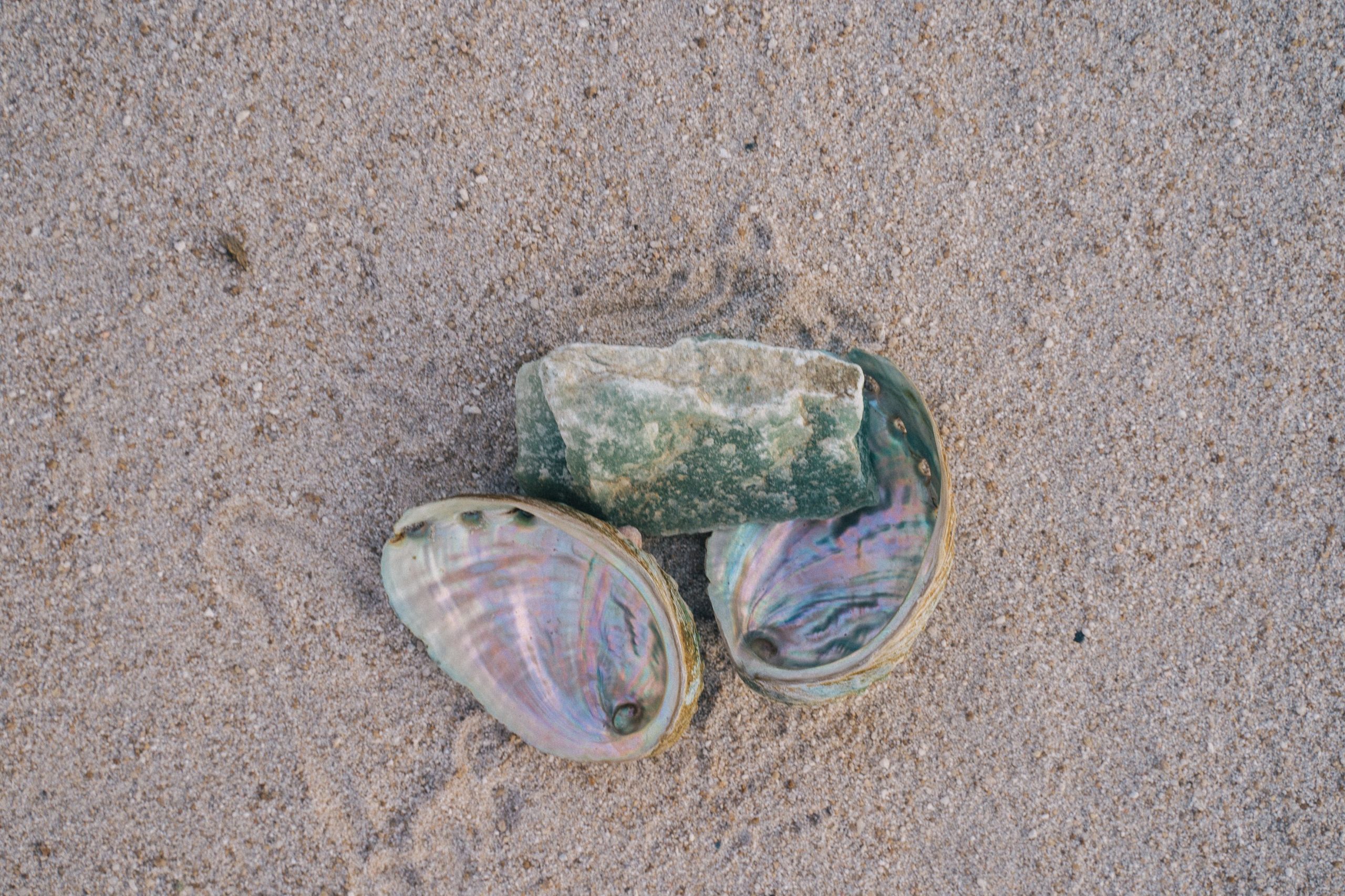
Marine waste that has long been discarded may contain unexpected potential for children's dental health. A study from the Department of Pediatric Dentistry, Faculty of Dentistry, Universitas Gadjah Mada, found that a mousse containing a 20% extract of green mussel (Perna viridis) shells was able to increase calcium levels in the enamel of primary teeth more effectively than CPP-ACP, a commercially available remineralization product that has long been used as a clinical standard. The difference was not marginal: 28.97 ppm compared with 27.89 ppm, although the difference was not statistically significant.
When Children's Teeth Lose Their Minerals
Caries in primary teeth is not merely a cosmetic problem. Prematurely damaged primary teeth can interfere with the space available for permanent teeth, affect future tooth alignment, and even influence children's speech and nutritional intake. The problem is that primary tooth enamel is naturally thinner and more porous than permanent enamel, making it particularly vulnerable to acid attacks from cariogenic bacteria.
The demineralization process begins when the pH of the oral cavity decreases. Enamel minerals dissolve, forming white spot lesions that can develop into cavities if left untreated. This is where remineralizing agents become crucial: they supply calcium and phosphate ions to restore the structure of damaged enamel crystals.
CPP-ACP has traditionally been a primary option. However, this bovine milk protein-based product has several limitations: it is less effective at low pH, has limited penetration into the enamel surface, and cannot be used in children with allergies or certain immune-related conditions involving bovine milk derivatives. These limitations prompted drg. Putri Kusuma Wardani Mahendra, M.Kes., Sp.KGA., and her research team to seek a more inclusive and affordable alternative.
From Marine Waste to Biomaterial
Green mussel shells contain 95% pure amorphous calcium carbonate, a compound that serves as a precursor to hydroxyapatite. In the study, the shells underwent a series of precise chemical processes: they were cleaned, dried, and calcined at 1,000°C for five hours to convert calcium carbonate into calcium oxide. The resulting material was then precipitated with diammonium phosphate to produce calcium hydroxyapatite.
The hydroxyapatite powder was subsequently formulated into a mousse. This formulation was selected because its lightweight and hydrophilic consistency allows deeper penetration into the enamel surface compared with gel preparations. The mousse was designed to improve the spreadability, retention, and uniform distribution of the active ingredients.
“This study is the first to evaluate the application of a 20% green mussel (Perna viridis) shell extract in mousse form for increasing calcium levels in primary tooth enamel.”
This quasi-experimental study used 16 anterior primary incisors divided into four groups: the green mussel shell mousse group, the positive control group (CPP-ACP), the mousse-base group without extract, and the negative control group without treatment. All teeth were first demineralized using 37% phosphoric acid before treatment and then incubated at 37°C for 30 minutes. Calcium levels were measured using Atomic Absorption Spectrophotometry (AAS).
The Numbers Speak
The results were clear. The green mussel shell mousse group recorded the highest calcium level (28.97 ± 1.75 ppm), followed by CPP-ACP (27.89 ± 1.78 ppm), the mousse base (22.53 ± 1.05 ppm), and the negative control (22.17 ± 0.36 ppm). One-way ANOVA confirmed a significant difference among the groups, with p = 0.0001.
Post hoc LSD testing revealed an important detail: the green mussel shell mousse differed significantly from the negative control (p = 0.001) and mousse base (p = 0.001), but did not differ significantly from CPP-ACP (p = 0.288). In other words, the green mussel shell mousse was statistically comparable to the established gold standard, while showing a higher mean calcium level.
Its mechanism of action is also interesting. Calcium ions from the green mussel extract bind to the carboxyl groups of enamel hydroxyapatite, forming saturated bonds that prevent crystal dissolution. The extract's high pH (11.8) also increases phosphate and hydroxyl ion activity, creating a microenvironment conducive to remineralization.
Great Potential, but a Long Road Ahead
Published in the December 2025 issue of the Jurnal Kedokteran Gigi Universitas Padjadjaran, this study opens new possibilities in pediatric dentistry. Green mussels are abundant in Indonesia, considerably less expensive than commercial CPP-ACP products, and do not contain milk proteins, potentially making them suitable for children with certain allergies.
The research team, consisting of Sito Resmi Hayuning Wardani, drg. Putri Kusuma Wardani Mahendra, M.Kes., Sp.KGA., and Indra Bramanti, acknowledged several limitations: the sample size was small, the observation period was only 30 minutes, and the experiment was conducted in vitro using artificial saliva. The actual oral environment is far more complex, with fluctuating pH, natural salivary flow, and the presence of biofilm.
Further in vivo research involving larger samples and longer observation periods is needed before this formulation can be introduced into pediatric dental clinics. Nevertheless, the preliminary evidence is strong enough to suggest that shells previously regarded as waste deserve much greater attention from the dental research community.
Source DOI: http://10.24198/jkg.v37i3.60956
Authors: Nanda Ayu, drg. Achmad Zam Zam Aghasy, M.Kes.
Photo: Pexels