
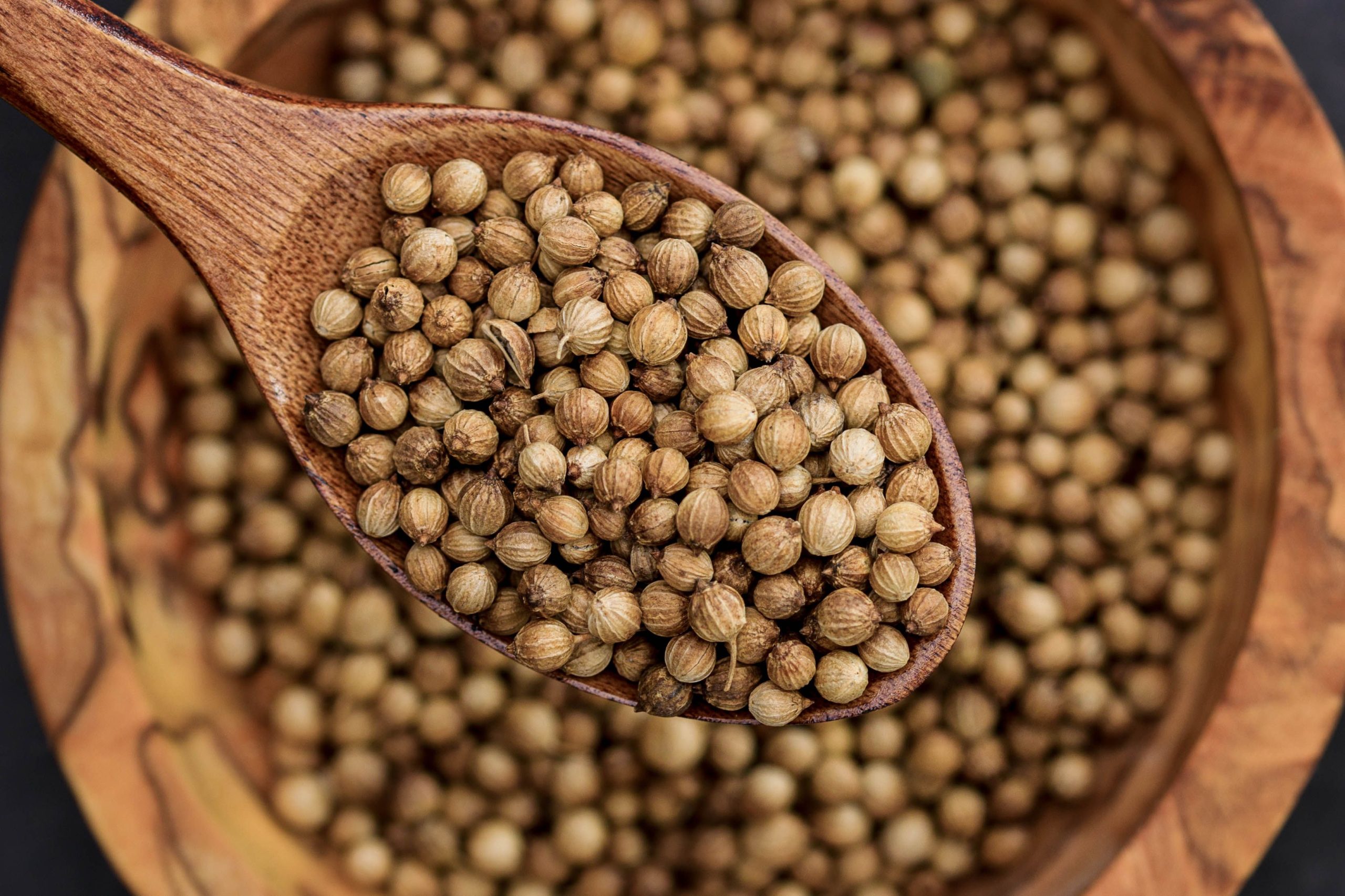
Not an expensive chemical drug. Not cutting-edge technology from a European laboratory. This time, the subject of investigation is coriander seeds — a spice more familiar for its aroma in the kitchen — as a potential therapy for gingivitis. And the results are surprising: an 8% coriander seed extract gel was found to work as effectively as chlorhexidine, the mouthwash long regarded as the gold standard for managing gum inflammation.
That is the main finding of a study published in the August 2025 edition of Interdental Jurnal Kedokteran Gigi by a research team from the Faculty of Dentistry, Universitas Gadjah Mada: Devita Sanjaya, Asikin Nur, and Prof. drg. Sri Kuswandari, MS., Sp.KGA., Ph.D. from the Department of Pediatric Dentistry, FKG UGM.
The Hidden Enemy Behind Red, Inflamed Gums
Gingivitis is inflammation of the gingiva — the gum tissue surrounding the teeth — and represents the early stage of periodontal disease. Its symptoms may appear simple: red, swollen, and easily bleeding gums. However, if left untreated, the condition can progress to periodontitis, which can cause permanent destruction of the alveolar bone.
The underlying cause is bacterial plaque. When plaque accumulates in the subgingival area, the body responds by sending neutrophils — the first line of the immune system — to the infected gingival tissue. Neutrophils are responsible for phagocytosing bacteria, but their prolonged presence can instead extend the inflammatory phase. Once neutrophil activity begins to subside, fibroblasts take over: producing collagen, rebuilding connective tissue, and restoring the gingiva.
The problem is that children still have limited ability to brush their teeth effectively. Plaque cannot always be fully controlled through mechanical cleaning alone. Chlorhexidine is effective, but long-term use carries several risks, including yellowish-brown tooth discoloration, oral mucosal erosion, and temporary taste disturbances.
This is where coriander seeds (Coriandrum sativum) emerge as a promising alternative.
From the Kitchen to the LPPT UGM Laboratory
The research team prepared a gel containing an 8% ethyl acetate fraction of coriander seed extract. The extraction process was conducted at the Pharmacy Laboratory of Universitas Muhammadiyah Surakarta using the maceration technique, followed by fractionation with ethyl acetate to isolate the main active compound: d-linalool. This monoterpene compound was the star of the study — accounting for 70.57% of the extract and known to possess anti-inflammatory, antibacterial, and even anticancer activity.
Thirty-six male Wistar rats were divided into three groups: an 8% coriander seed extract gel group, a chlorhexidine gel group (positive control), and a placebo gel group. Gingivitis was induced by placing silk ligatures in the subgingival area of the lower incisors for seven days. Once inflammation had developed, the gel was applied twice daily at a dose of 0.05 mL per application.
Histological observations were conducted on days 1, 3, 5, and 7. Gingival tissue was stained with Hematoxylin-Eosin and examined under an Optilab microscope at 400× magnification. The parameters measured were the number of neutrophils (an indicator of inflammation) and fibroblasts (an indicator of healing).
The Numbers Speak for Themselves
On the first day, all groups showed peak neutrophil infiltration, reflecting the acute phase of inflammation. The interesting changes began on the third day.
On day 3, the percentage reduction in neutrophils in the coriander extract gel group reached 45.43%, compared with 51.67% in the placebo group. This difference was statistically significant (p<0.05). This indicates that the coriander gel reduced the inflammatory response more rapidly than the absence of active treatment.
The other side of recovery — an increase in fibroblasts — showed a similar pattern. On day 5, the percentage increase in fibroblasts in the coriander group reached 5,410%, far exceeding the 4,470% observed in the placebo group. By day 7, the figure had risen to 8,463.33% in the coriander group, compared with 7,953.33% in the placebo group.
“The 8% coriander seed extract gel significantly reduced the number of neutrophils and increased the number of fibroblasts during the healing process of gingivitis.”
Most notably, there was no significant difference between the coriander and chlorhexidine groups on any of the observation days. Both appeared to work through nearly identical pathways.
The Mechanism Behind the Spice
Why can d-linalool work as effectively as chlorhexidine? The answer lies in how this compound interacts with the inflammatory cascade. D-linalool inhibits nitric oxide production by interacting with the enzyme Nitric Oxide Synthase (NOS), without reducing the synthesis of the enzyme itself. Nitric oxide is a key mediator that regulates vasodilation, edema formation, and the recruitment of immune cells to sites of inflammation.
Furthermore, d-linalool suppresses pro-inflammatory pathways by inhibiting NF-κB, TNF-α, IL-6, and IL-1β — a series of cytokines responsible for prolonging and exacerbating inflammation. When these pathways are suppressed, neutrophils subside more rapidly, while fibroblasts are better able to migrate and initiate the proliferative phase.
On the antibacterial side, d-linalool damages bacterial cell membranes — both Gram-positive and Gram-negative — ultimately causing bacterial death. A reduced bacterial load means less inflammatory stimulation, allowing healing to proceed more rapidly.
These findings open up interesting prospects for pediatric dentistry, where the long-term use of chemical agents such as chlorhexidine requires more careful consideration. A natural-based gel with comparable efficacy and without the side effect of tooth discoloration could become a more patient-friendly option for young patients — provided that further studies using more diverse parameters are conducted to strengthen the evidence.
A small seed once known merely as a kitchen spice may now be waiting for its turn to become part of the clinical formulary.
Source DOI: http://10.46862/interdental.v21i2.9724
Authors: Nanda Ayu, drg. Achmad Zam Zam Aghasy, M.Kes.
Photo: Pexels