
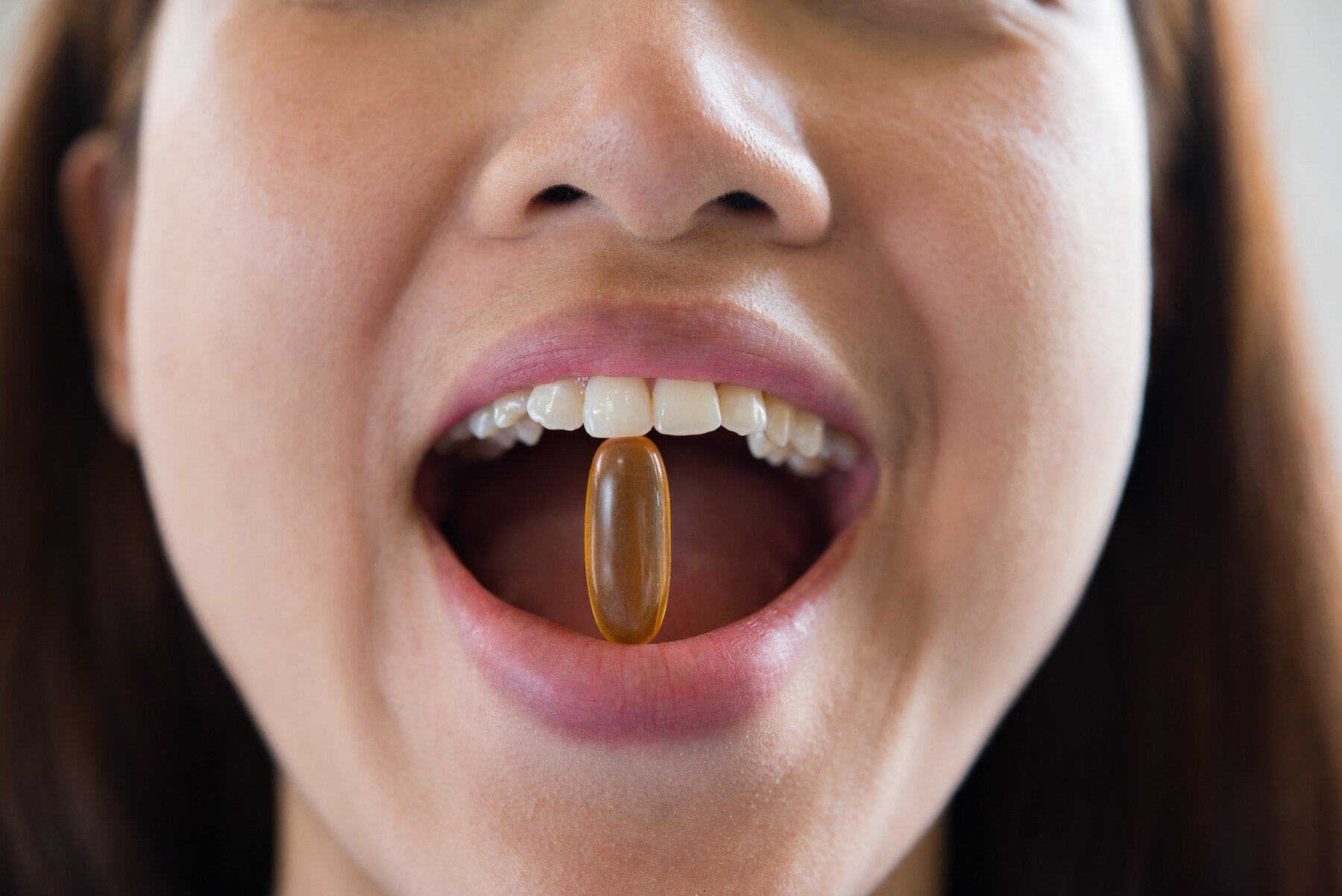
Medications taken for chronic illnesses or specific medical conditions can significantly impact oral and dental health. The side effects of certain drugs may lead to issues such as dry mouth (xerostomia), changes in oral tissue, and even an increased risk of tooth loss.
Medications and the Risk of Xerostomia
One of the most common side effects of medications is xerostomia, or dry mouth, which results from decreased saliva production. Certain types of medications—such as antihypertensives, antidepressants, and chemotherapy drugs—are known to cause this condition. Xerostomia increases the risk of tooth loss, especially among the elderly, because saliva plays a crucial role in protecting teeth from bacteria and maintaining the pH balance in the mouth. Without enough saliva, teeth become more vulnerable to cavities and gum infections.
Impact of Medications on Inflammation and Oral Lesions
Beyond causing dry mouth, some medications can also affect the health of soft tissues in the mouth. Research conducted by Nuansa Hanum Pratiwi, a student from the Faculty of Dentistry at Universitas Gadjah Mada (UGM), under the supervision of Drg. Sri Budiarti Wongsohardjono, M.S., Dr. Drg. Dewi Agustina, MD.Sc., and Prof. Drg. Supriatno, M.Kes., MD.Sc., Ph.D., found that a lack of understanding about the etiology of certain conditions can influence a person's behavior in maintaining oral health. This includes how they respond to mouth ulcers, which are often side effects of specific medications. For example, drugs that suppress the immune system or contain certain chemical compounds may increase the risk of lesions in the oral soft tissues. If left untreated, these can worsen a person's overall oral health.
Risk of Tooth Loss from Long-Term Medication Use
Long-term medication use, especially among the elderly, is often linked to a higher risk of tooth loss. A study by FKG UGM student Eka Anis R., supervised by Drg. Elastria Widita, M.Sc., Ph.D. and Drg. Iffah Mardhiyah, M.Biomed., showed that xerostomia—partly caused by medications—can significantly affect tooth loss in elderly residents of Sleman Regency. This indicates that the side effects of medications may not only be temporary but can also lead to long-term damage to teeth and gums.
***
The effects of medication on oral health should not be underestimated. Conditions like dry mouth, oral lesions, and even tooth loss are serious side effects to watch out for. It is essential for individuals who regularly take medication to consult their dentist routinely in order to prevent further negative effects. Understanding how medications impact oral health enables individuals to take appropriate preventive measures. This awareness also supports the Sustainable Development Goals (SDGs), specifically SDG 3 (Good Health and Well-Being), SDG 4 (Quality Education), and SDG 10 (Reduced Inequalities).
References
Nuansa Hanum Pratiwi, drg. Sri Budiarti Wongsohardjono, M.S., Dr. drg. Dewi Agustina, MD.Sc., Prof. drg. Supriatno, M.Kes., MD.Sc., Ph.D., The Relationship Between Etiological Knowledge and the Behavior of Fourth-Year Students at the Faculty of Dentistry, Universitas Gadjah Mada, in Treating Mouth Ulcers, https://etd.repository.ugm.ac.id/penelitian/detail/76600
Eka Anis R, drg. Elastria Widita, M.Sc., Ph.D., drg. Iffah Mardhiyah, M.Biomed., The Effect of Xerostomia and Gender on Tooth Loss in the Elderly in Sleman Regency, Yogyakarta, https://etd.repository.ugm.ac.id/penelitian/detail/212434
Author: Rizky B. Hendrawan | Editor: Shinta
Photo: Freepik

