
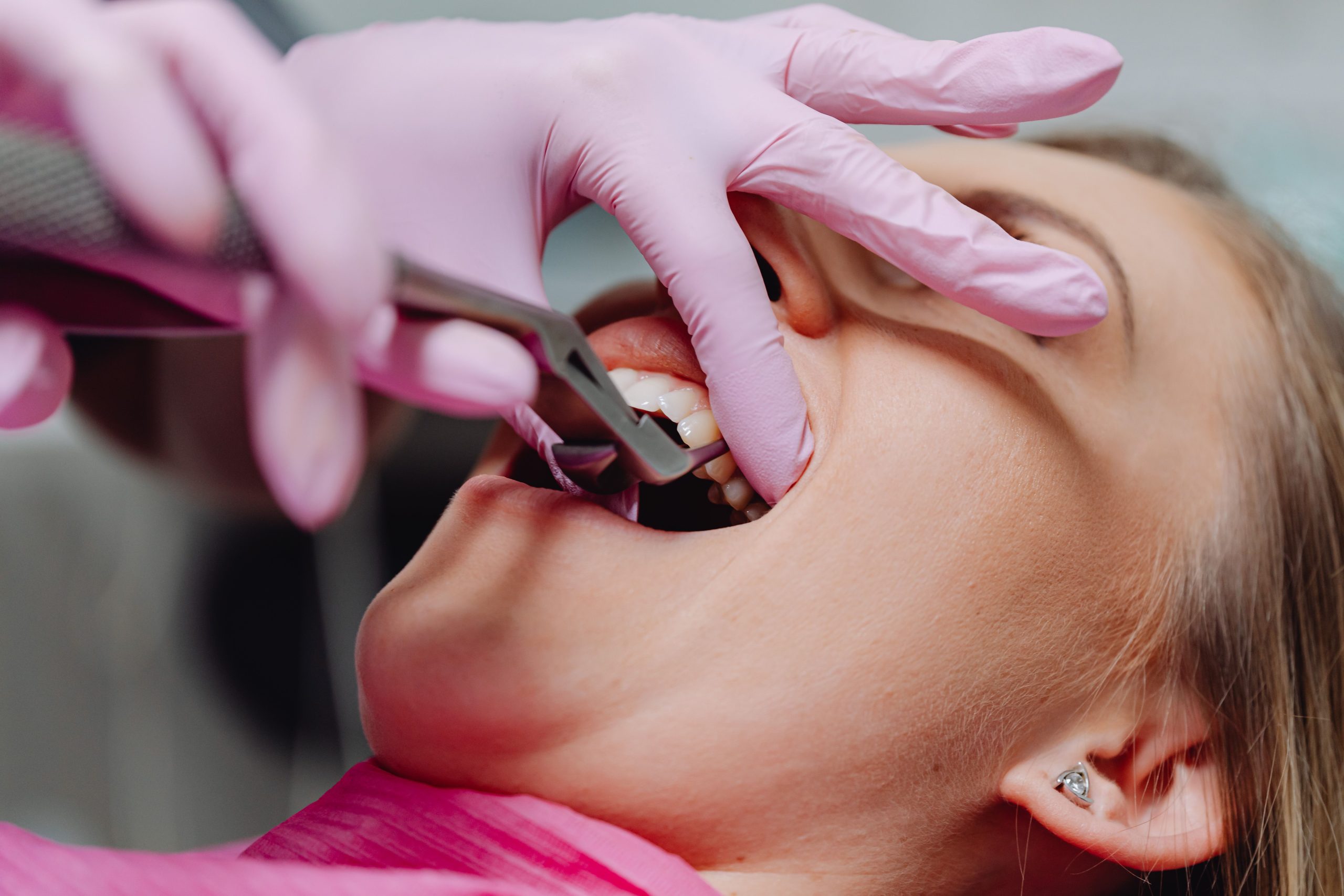
In 2021, oral health problems affected 25.9% of residents in Karangtengah Village, Imogiri, Bantul. Just one year later, that figure had surged to 57.6%—more than doubling. The 2022 data from the Bantul District Health Office served as a stark warning: something was seriously wrong, and inaction was no longer an option.
Home to 1,929 households and 6,044 residents, Karangtengah Village had set an ambitious goal in its 2021–2026 development plan to improve community health through infrastructure development and cross-sector collaboration. However, on the ground, public awareness of oral health remained extremely low. Local officials acknowledged that no oral health education program had ever been conducted in the village.
Recognizing this gap, a multidisciplinary team stepped in.
Bringing Academic Expertise to the Community
A community service team comprising researchers from Universitas Muhammadiyah Yogyakarta and Universitas Gadjah Mada (UGM)—including Dr. drg. Indra Bramanti, M.Sc., Sp.KGA(K) from the Department of Pediatric Dentistry, FKG UGM—designed a two-stage intervention to address the problem at its roots.
The first stage involved coordination meetings with the head of Karangtengah Village and local community leaders. More than a procedural step, these discussions served to identify community needs, establish program objectives, and align expectations between the academic team and local stakeholders.
The second stage formed the core of the initiative: an oral health education session attended by 30 community members. Participants completed a 10-question pre-test before the educational session and a post-test afterward to evaluate changes in their knowledge.
Knowledge Improves Through Education
The pre-test results revealed substantial variation in participants' knowledge. One participant scored 90, two scored 80, four scored 70, four scored 60, one scored 50, and one participant received a score of zero. Overall, the results indicated that most participants required fundamental oral health education.
Following the educational session, the results improved considerably. Two participants achieved perfect scores of 100, seven scored 90, and eleven scored 80. Although several participants remained in the 60–70 range, the overall distribution shifted markedly toward higher scores.
"Knowledge is the result of learning through the perception of specific objects. This demonstrates how oral health education influences information, knowledge, attitudes, and community behavior in maintaining and improving oral health."
Far from being merely theoretical, this principle highlights why face-to-face health education remains highly relevant—even in an era when information is readily available online.
Baby Teeth Matter: The Crucial Role of Parents
One particularly important finding concerned parental awareness. The researchers emphasized that children's dental development depends heavily on their parents' understanding of oral health. Primary teeth should not be regarded as "temporary teeth" that can simply be ignored because they will eventually be replaced. Instead, they provide the essential foundation for the healthy eruption and alignment of permanent teeth.
Dental caries develops progressively, beginning in the enamel before advancing into the dentin and eventually reaching the pulp if left untreated. Oral bacteria, carbohydrate consumption, and tooth morphology all contribute to this process. Without adequate parental knowledge, children become the most vulnerable group—and are often the last to receive appropriate treatment.
Unfortunately, many people only seek dental care once pain develops, even though prevention is considerably less expensive, simpler, and more effective than treatment.
A Small Initiative with Long-Term Impact
Although the program has concluded, its recommendations remain highly relevant. The research team emphasized that oral health education in Karangtengah should not end with a single session. Regular educational activities are essential to slow the continued rise of oral diseases within the community.
The figure of 57.6% represents more than a statistic. Behind it are children struggling to concentrate in school because of toothache, adults avoiding meals due to untreated cavities, and families unaware that these conditions are largely preventable. Conducting the first oral health education program in a community that had never received one before may seem like a modest step—but in the right place, even a small initiative can become a turning point.
Authors: Nanda Ayu, drg. Achmad Zam Zam Aghasy, M.Kes.
Photo: Pexels