
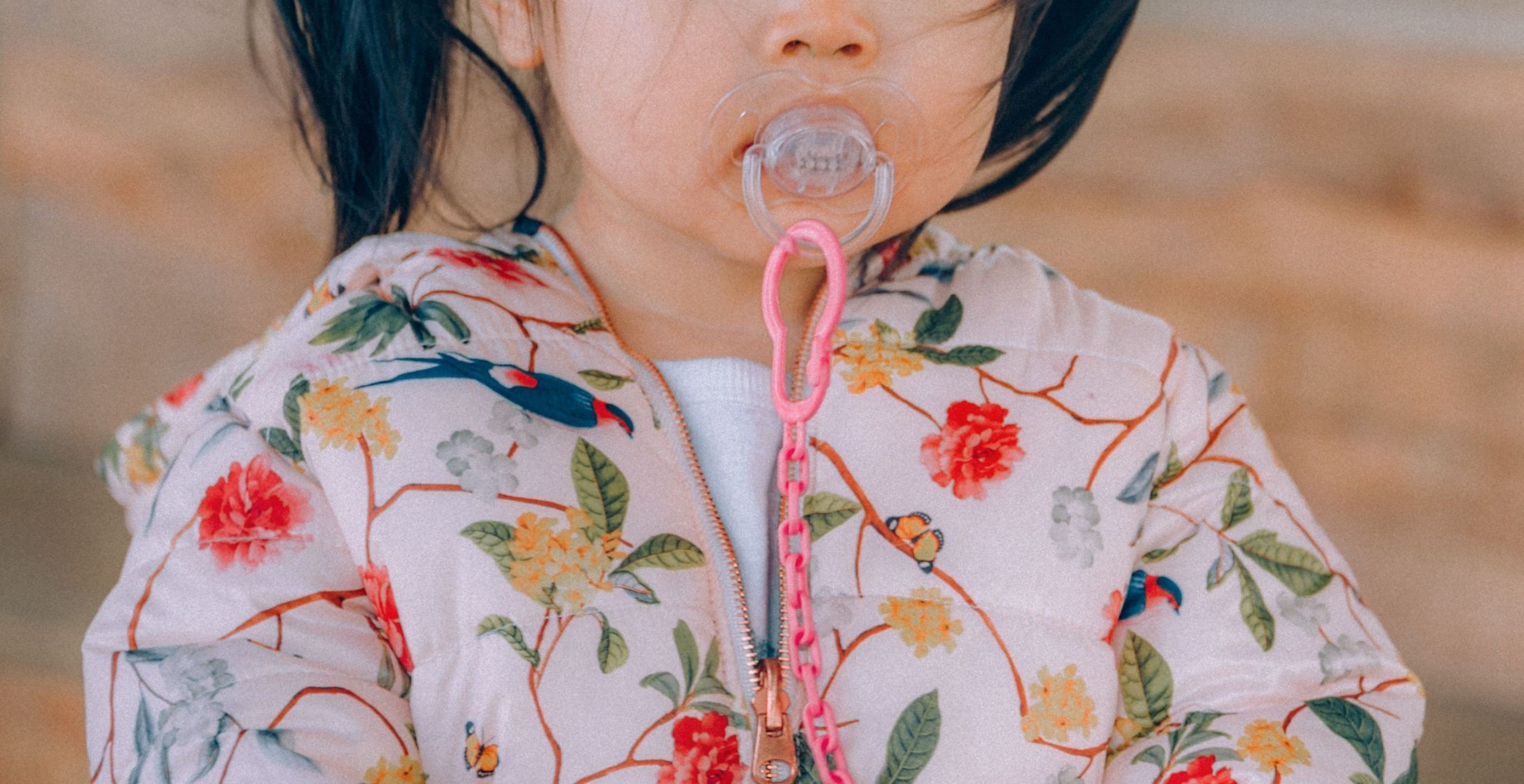
Lips that cannot fully close at rest may seem like a minor issue. But for children who experience it, a condition known as lip incompetence (LI) can be the beginning of a much more complex series of problems: protruding front teeth, suboptimal jaw development, and mouth-breathing habits that can gradually alter facial structure.
A scientific article published in the Journal of International Dental and Medical Research (2024) by a team of researchers from the Department of Pediatric Dentistry, Faculty of Dentistry, Universitas Gadjah Mada, systematically reviewed the effectiveness of orofacial myofunctional appliances (OMAs) in managing this condition in children. The research team consisted of Anrizandy Narwidina, Sabrina Ceasy Anggraeni, Irma Damayanti Suryana, Rani Satiti, Sri Kuswandari, Putri Kusuma Wardani Mahendra, and drg. Ignatius Sulistyo Jatmiko, M.Kes., Sp.KGA.
When Open Lips Signal Deeper Problems
Lip incompetence is not merely a matter of aesthetics. When the upper and lower lips remain more than 3 to 4 millimeters apart at rest, the condition is referred to as an incompetent lip seal (ILS). Its prevalence among children aged 3 to 12 years is approximately 35.72 percent, and the rate tends to increase with age.
The causes vary. They may be anatomical, such as maxillary protrusion or nasopharyngeal narrowing that forces children to breathe through their mouths. Other contributing factors may include enlarged tonsils, chronic sinusitis, or even a deviated nasal septum. When the mouth remains open continuously, the balance of pressure between the lips and tongue is disrupted. As a result, the upper front teeth may tilt forward, the dental arch may become narrower, and jaw growth may be impaired.
More concerningly, the orbicularis oris muscle—the circular muscle surrounding the mouth that functions much like a sphincter—may become weakened. This weakness can affect chewing, swallowing, and even speech. Research has shown that abnormal swallowing function is closely associated with inadequate food bolus formation and an increased risk of aspiration.
Three Appliances, One Goal
Three Appliances, One Goal Of the 401 articles screened through the PubMed database and manual searches covering the period from 1980 to 2023, the FKG UGM research team identified seven studies that demonstrated statistically significant results (p<0.001) involving three types of prefabricated OMAs: Oral Screen, Lip Trainer Patakara®, and Lipple Trainer®.
All three work according to a similar principle: training the perioral muscles through measurable physiological loading rather than applying active mechanical forces, as in conventional orthodontic wires.
The Lipple Trainer®, manufactured by SHOFU Inc., Japan, is used in three positions: at the center of the lips, at the left corner, and at the right corner. In a study involving 154 Japanese children aged 3 to 12 years, lip closure strength (LCS) increased significantly after one month of use, with the greatest increase observed among children aged 7 to 9 years, from 7.9 to 12.8 Newtons.
The Patakara®, from Tokyo, works by directly loading the orbicularis oris and buccinator muscles. In addition to increasing LCS by 4.1 Newtons after two months of therapy, the appliance was also shown to improve the Apnea-Hypopnea Index (AHI) and peripheral oxygen saturation during sleep. In other words, lip muscle training may have benefits that extend to children’s sleep quality.
The Oral Screen, the longest-established of the three appliances, works differently. It is placed in the oral vestibule and stimulates muscular balance around the jaw. Use for 9 to 12 months has been shown to increase intermolar arch width and upper and lower lip length while reducing the interlabial gap.
The Mechanism Behind Muscle Training
The biological mechanism underlying OMA therapy is quite remarkable. When a lip trainer is pulled, the muscle fibers of the mandibular protractor muscles are stretched. During the resting phase, blood vessels constrict, blood flow decreases, and lactic acid accumulates, resulting in muscle fatigue. However, after several hours of stretching, muscle hypercontractility increases blood flow and triggers the differentiation of undifferentiated cells into myoblasts, which subsequently form new muscle fibers.
This process helps explain why, during the initial stage of therapy—approximately the first three to four weeks—children may have difficulty relaxing the lower jaw or maintaining their teeth in maximum intercuspation after the appliance is removed. This is not necessarily a sign of treatment failure, but rather part of the muscle adaptation process.
“OMA therapy may help improve oral coordination and stability, lip closure, and facial development. OMA may be a treatment option for improvement of LCS in children with LI.”
This was the conclusion reached by the FKG UGM research team in the article, emphasizing that the approach is not merely an aesthetic intervention but can form part of a comprehensive approach to children’s craniofacial growth and development.
Promise and Limitations
Although the findings are promising, the researchers note that OMA therapy is not without challenges. Its success depends heavily on the cooperation of both children and parents, particularly in ensuring consistent use of the appliance at home without direct supervision from a clinician. In one study, only four of seven patients who used an oral screen for 16 weeks showed significant improvement. The patients’ systemic and general conditions also influenced the outcomes.
The researchers call for more comprehensive future studies that measure not only LCS but also the overall function of the stomatognathic system, including chewing, swallowing, and speech development.
Ultimately, a small plastic appliance that is pulled for several minutes a day may hold considerable potential. Its benefits may extend beyond creating a well-aligned smile to helping shape the foundation of a child’s facial growth and development, long before more significant problems have a chance to take root.
Authors: Nanda Ayu, drg. Achmad Zam Zam Aghasy, M.Kes.
Photo: Pexels