
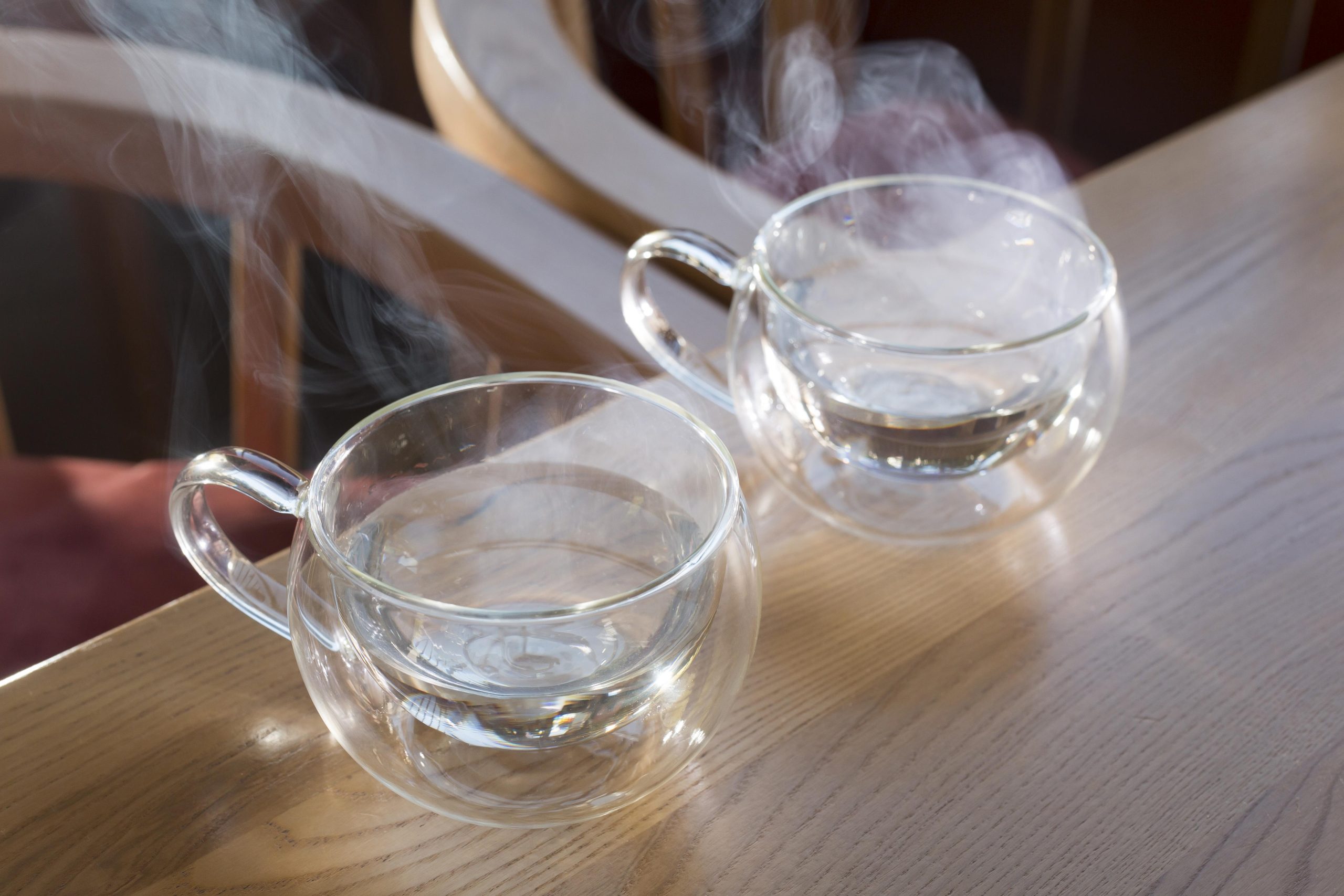
The lower right lip of a 22-year-old woman gradually changed color, becoming reddish-purple. It was asymmetrical. Although painless and not prone to bleeding, it affected her appearance. She left it untreated for five months before eventually visiting the Department of Oral Surgery at Dr. Sardjito General Hospital in Yogyakarta. There, a therapeutic approach that sounded simple, even surprising, began to be considered: an injection of boiling water.
A study published in the Journal of Dentomaxillofacial Science (August 2021) by Denta A. Prasetya, Maria Goreti, and drg. Cahya Yustisia Hasan, Sp.BM., from the Department of Oral and Maxillofacial Surgery, Faculty of Dentistry, Universitas Gadjah Mada, offers a minimally invasive alternative for treating hemangioma without surgery and with satisfactory results.
A Vascular Lesion That Is Often Underestimated
A hemangioma is a vascular developmental anomaly classified as a benign tumor. Although it is not malignant, the lesion can cause pain, bleeding, impaired movement, and significant aesthetic concerns. In the head and neck region, hemangiomas are found in approximately 1–4% of the population, while within the oral cavity, the most common sites are the lips, tongue, and buccal mucosa.
Diagnosing a hemangioma cannot rely solely on clinical examination. In this case, diascopy indicated a vascular lesion, which was further supported by Doppler ultrasonography showing a heterogeneous lesion measuring 2.49 × 1.23 cm with positive intralesional vascularization. These findings confirmed a diagnosis of a high-flow hemangioma while distinguishing it from a solid tumor requiring a different therapeutic approach.
Treatment options for hemangioma have traditionally included surgery, corticosteroid therapy, sclerotherapy, and radiation. However, surgery is often not the first choice, particularly in facial areas where both aesthetic and functional considerations are important.
How Water Heated to 100°C Works
The treatment selected by the medical team in this case was intralesional injection of boiling water combined with 0.5 mg of the corticosteroid dexamethasone. Its mechanism is similar to that of a sclerosing agent: irritating the endothelial lining of blood vessels until gaps form between the endothelial layers.
The heat from boiling water triggers an inflammatory response that ultimately promotes fibrosis and closes the vascular channels. At the cellular level, tissue damage occurs as a result of physical trauma caused by the high temperature. Proteins begin to degrade at 40°C and undergo permanent denaturation at 45°C. At 100°C, cellular necrosis occurs rapidly and remains limited to the targeted tissue.
The treatment was performed in two stages. The first stage involved injecting 2.5 ml of sterile water heated to 100°C intralesionally under local anesthesia. Before the injection, aspiration was performed to confirm that the needle had reached the vascular lesion, as indicated by blood entering the syringe. Three weeks later, the second stage was performed using a total of 5 ml of boiling water administered through two separate injection points, with 2.5 ml injected from the mesial and distal ends of the lesion, both directed toward its center.
The corticosteroid helped suppress hemangioma proliferation by inhibiting estradiol-17 beta receptors while also producing a vasoconstrictive effect that reduced the size of the blood vessel capillaries.
From a Purple Lesion to Clear Skin
The patient was evaluated weekly. The results were gradual but consistent: the lesion became smaller, then developed into a crust on day 30, and by day 50, the lesion had disappeared completely without leaving a scar.
“The combination of boiling-water injection and corticosteroid administration in the treatment of hemangioma produced satisfactory results after evaluation on day 50.” — Prasetya, Goreti, and drg. Cahya Yustisia Hasan, Sp.BM., Journal of Dentomaxillofacial Science, 2021
Three months after the injections, no hemangioma lesion remained in the patient’s lower lip. Her facial appearance returned to symmetry, with no scarring or signs of complications.
Implications for Clinical Practice
Implications for Clinical Practice These findings are relevant not only clinically but also in terms of accessibility. Boiling water is an inexpensive and readily prepared sclerosing agent that does not require complex surgical infrastructure. This opens up potential treatment options for hemangioma in healthcare facilities with limited resources, where access to surgical procedures or advanced equipment remains a significant challenge.
Of course, a single-case study has limitations in terms of generalizability. Further research involving larger sample sizes is needed to confirm the safety and effectiveness of this method across different types and sizes of hemangiomas. Nevertheless, as a starting point, this case report demonstrates that a simple solution, when applied with an appropriate understanding of its mechanism, can produce results that are far from simple.
The young woman went home with her lip restored to symmetry. No incision. No stitches.
DOI: https://dx.doi.org/10.4317/jced.53354
Authors: Nanda Ayu, drg. Achmad Zam Zam Aghasy, M.Kes.
Photo: Freepik