
The dry season often leads to a decline in clean water availability. Communities commonly rely on groundwater or municipal water supplies. However, groundwater reserves continue to decline each year. As a result, many parties have begun searching for alternative water sources. This raises an important question: is rainwater safe for consumption?
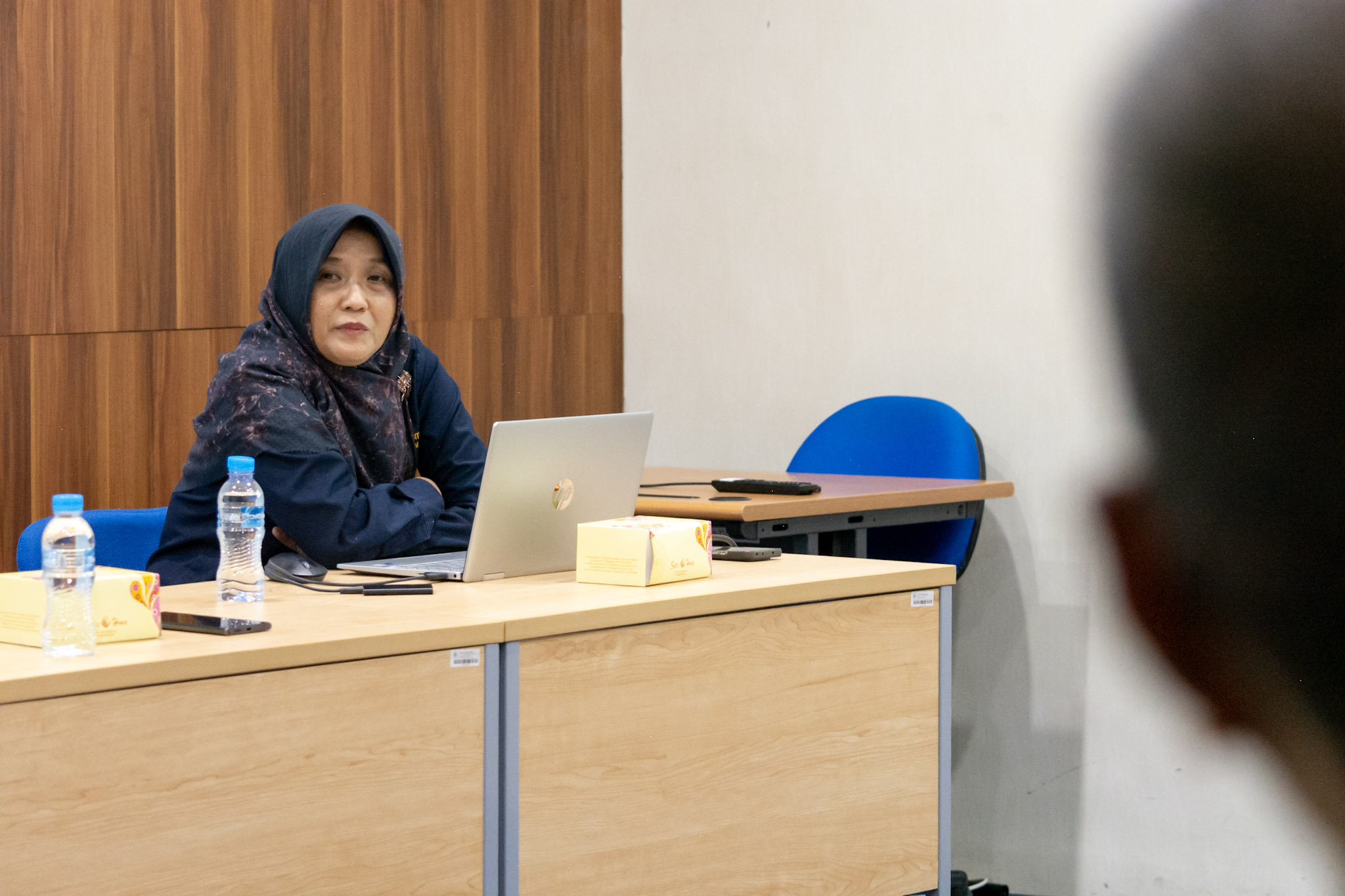
On Wednesday (22/7), the Faculty of Dentistry, Universitas Gadjah Mada (FKG UGM), received a visit from the Faculty of Economics and Business, Universitas Gadjah Mada (FEB UGM). The meeting discussed the rainwater harvesting system that FEB UGM plans to adopt.
In 2022, FKG UGM began implementing rainwater harvesting at the Dental Learning Center (DLC) building. Wulansari, S.S., Head of the FKG UGM Office, explained that the rainwater harvesting process involves collecting water from the building’s rooftop. The gutters then channel the collected water into an underground storage tank.
“The DLC building uses this water for bathing, washing, and toilet purposes. It also serves as a water reserve when the dry season arrives,” said Wulansari.
The Head of Facilities and Infrastructure Management for the Master of Management (MM) Program at FEB UGM, Teguh Sulistiyono, who attended the visit, expressed his faculty’s intention to replicate the system to strengthen the resilience of the FEB UGM campus area during the dry season.
“FEB has already planned to utilize rainwater, but our existing infrastructure is not yet complete. I believe there are many valuable lessons we can learn here at FKG UGM and apply at FEB UGM,” said Teguh.
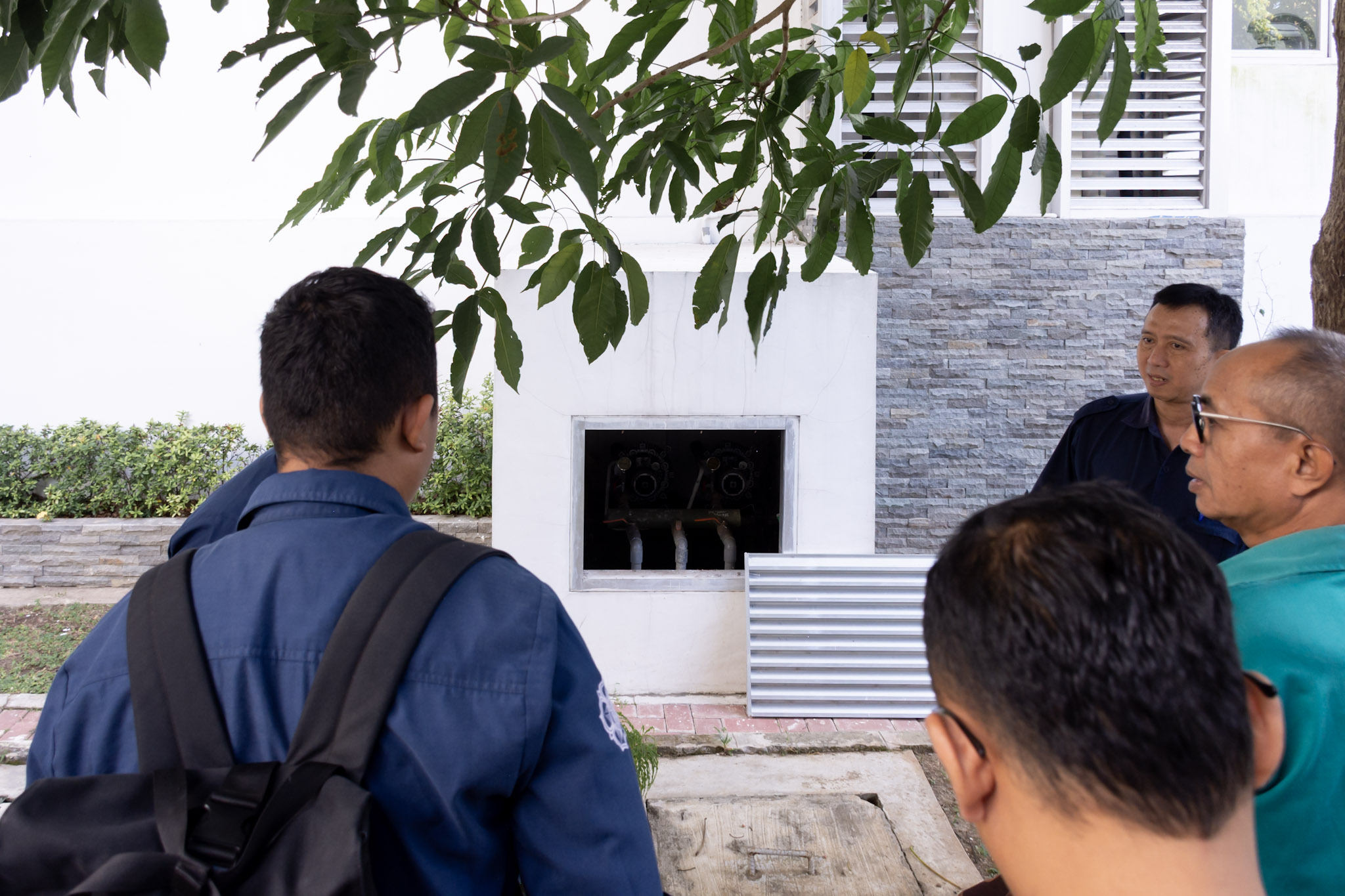
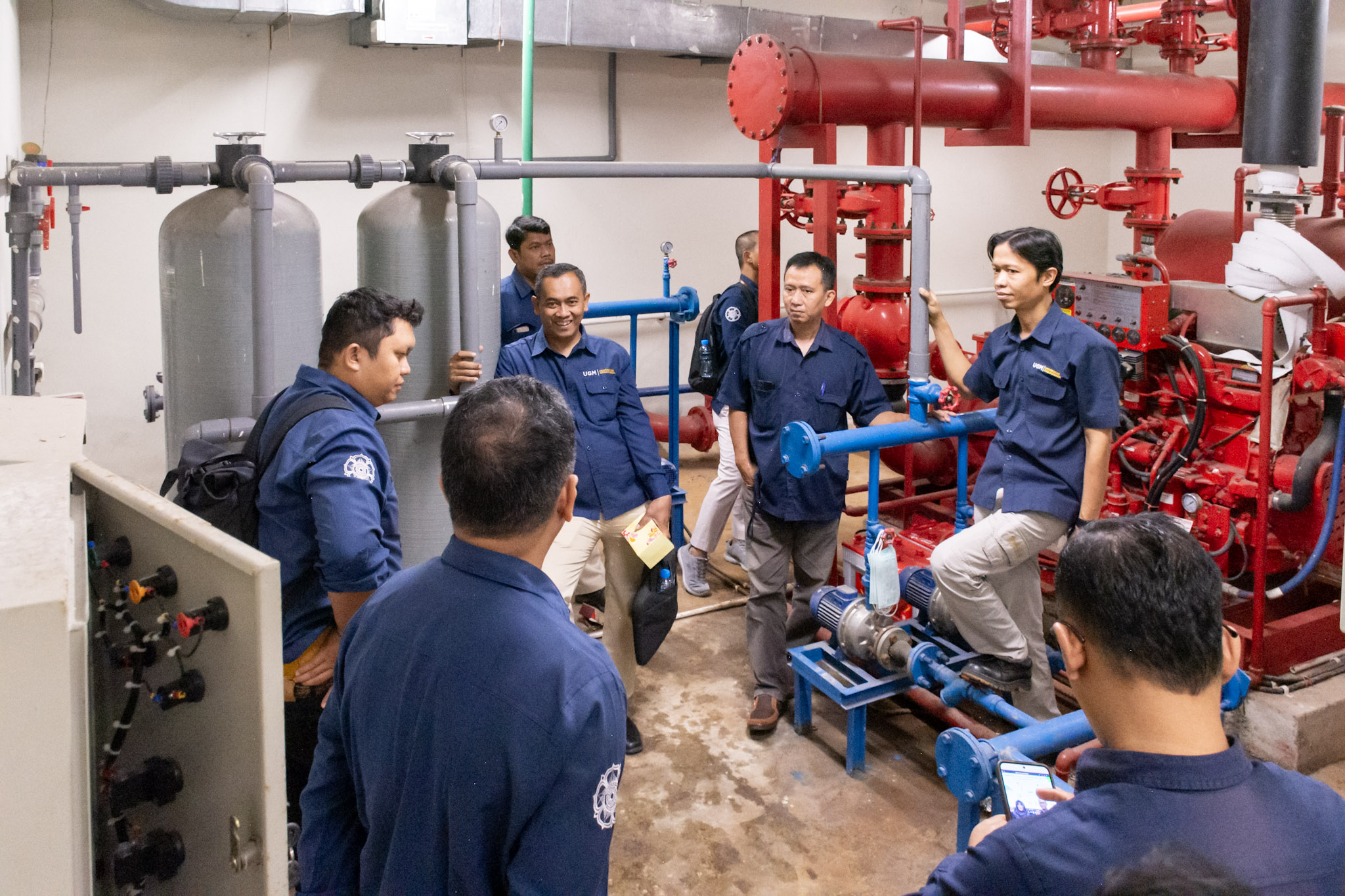
FEB UGM’s interest in replicating the installation is well-founded. The rainwater harvesting system at the DLC building relies on an underground tank with a capacity of 600 cubic meters (600,000 liters). Through this infrastructure, the DLC building has successfully operated for the past four years without using groundwater supplies at all.
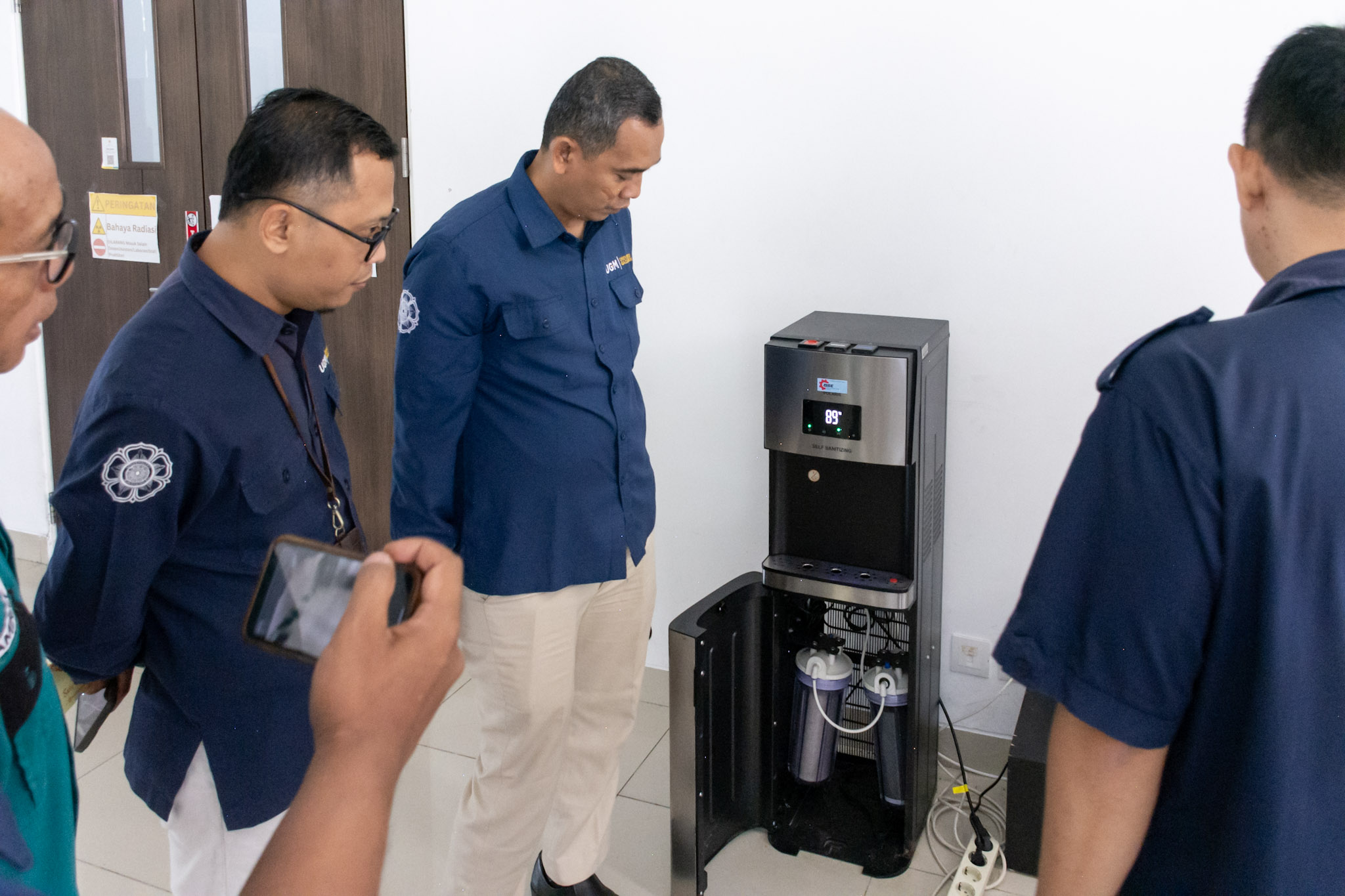
In addition to being used for sanitation purposes, the harvested rainwater became suitable for drinking in early 2026. Buana Yaksa, the Head of Facilities and Infrastructure Management at FKG UGM, explained that the collected rainwater undergoes several filtration stages before consumption.
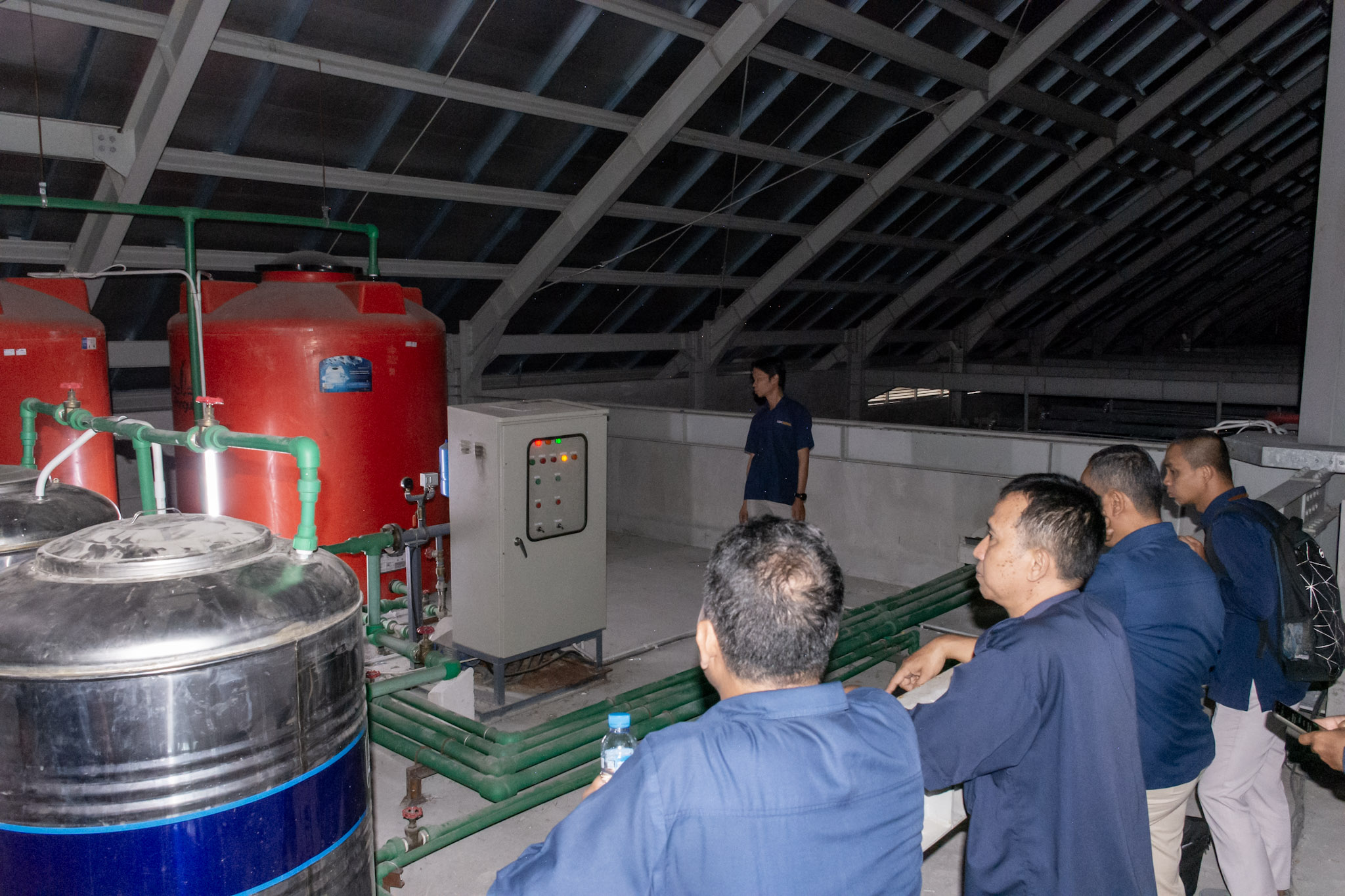
A pump transfers water from the storage tank to the processing room. The rainwater must pass through eight filtration stages. Sand filters and carbon filters effectively remove impurities, while ultraviolet (UV) radiation eliminates bacteria and disease-causing microorganisms. In the final stage, a Reverse Osmosis (RO) machine purifies the water until it is ready for consumption.
“From an efficiency perspective, the existing RO machine can produce 100 gallons of clean water per day. This can reduce expenses for purchasing commercially bottled gallon water, which costs around IDR 15,000 per container,” said Buana.
This achievement enabled the FKG UGM Dental Learning Center building to receive a Gold certification from the Green Building Council Indonesia (GBCI) Greenship program in February 2026. In the future, this drinking water processing system is planned to be expanded to other buildings within FKG UGM.
Author and Photo: Fajar Budi Harsakti