
Surprising evidence shows that a fully operational dental clinic can generate approximately 27 to 35 tons of carbon dioxide emissions each year. Much of this pollution comes from patients’ travel-related carbon footprints and the high volume of water consumed during medical procedures.
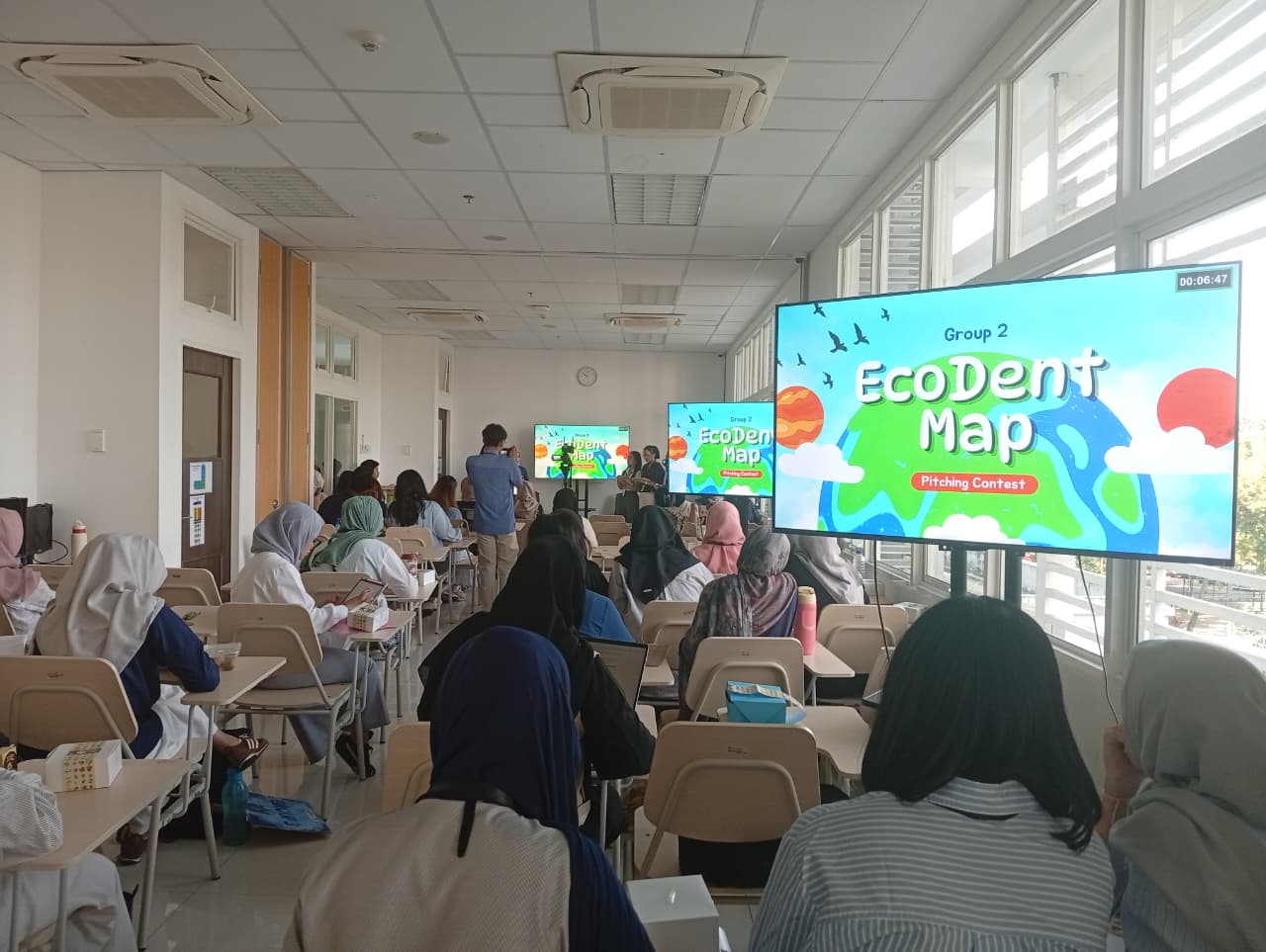
In response to this pressing issue, a group of young innovators officially introduced an innovative system called EcoDenMap. The initiative was presented during a scientific presentation held at the Dental Learning Center (DLC) UGM on Thursday, July 16, 2026.
In its real-world implementation, Adinda explained that the EcoDenMap program would be developed across three strategic levels: Policy Level: Submit written recommendations to the government to incorporate sustainability indicators and water-saving equipment into Indonesian dental service standards. Community Level: Develop public health guidelines featuring the engaging slogan “Prevent Today, Save Tomorrow.” The campaign will educate the public that undergoing regular scaling from an early stage can help prevent severe dental disease, reducing the need for tooth extraction or dental implant procedures in the future, both of which consume substantial energy and materials. Social Media Level: Intensify the dissemination of information across digital platforms such as Instagram, TikTok, Facebook, and the official website.
Responding to Critical Questions from the Jury
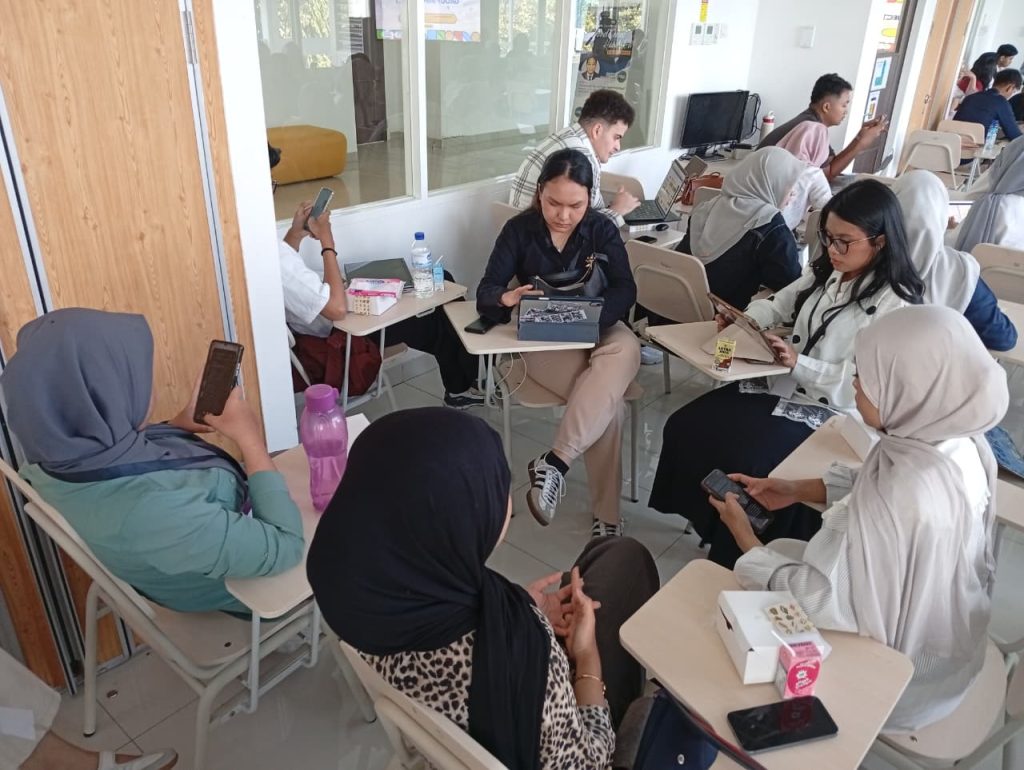
The presentation session at the UGM DLC became particularly engaging when one of the jury members raised a critical concern. The jury questioned the effectiveness of a program that merely provided information about water consumption, given that patients could not simply be restricted or turned away from a clinic because its water quota had been exhausted. The jury suggested that the team develop a much more concrete solution for directly reducing water consumption.
In response, the team representative explained that the primary purpose of the EcoDenMap database was not to restrict medical procedures but to change public attitudes through education. By encouraging early preventive measures, which require considerably less water than curative treatments, water consumption in dental clinics would automatically decrease.
To address other challenges, such as limited funding and low stakeholder engagement, Anggi emphasized that the team would collaborate closely with universities and clinics while prioritizing low-cost, high-impact programs.
Under the broader theme “Sustainable Dentistry: Integrating Prevention, Innovation, and Environmental Responsibility,” EcoDenMap does not seek to alter existing medical standards. Instead, the innovation represents an initial step toward a greener, more cost-efficient, and environmentally friendly future for dentistry.
Reporter: Nanda, Andri Wicaksono, Photo: Andri Wicaksono