
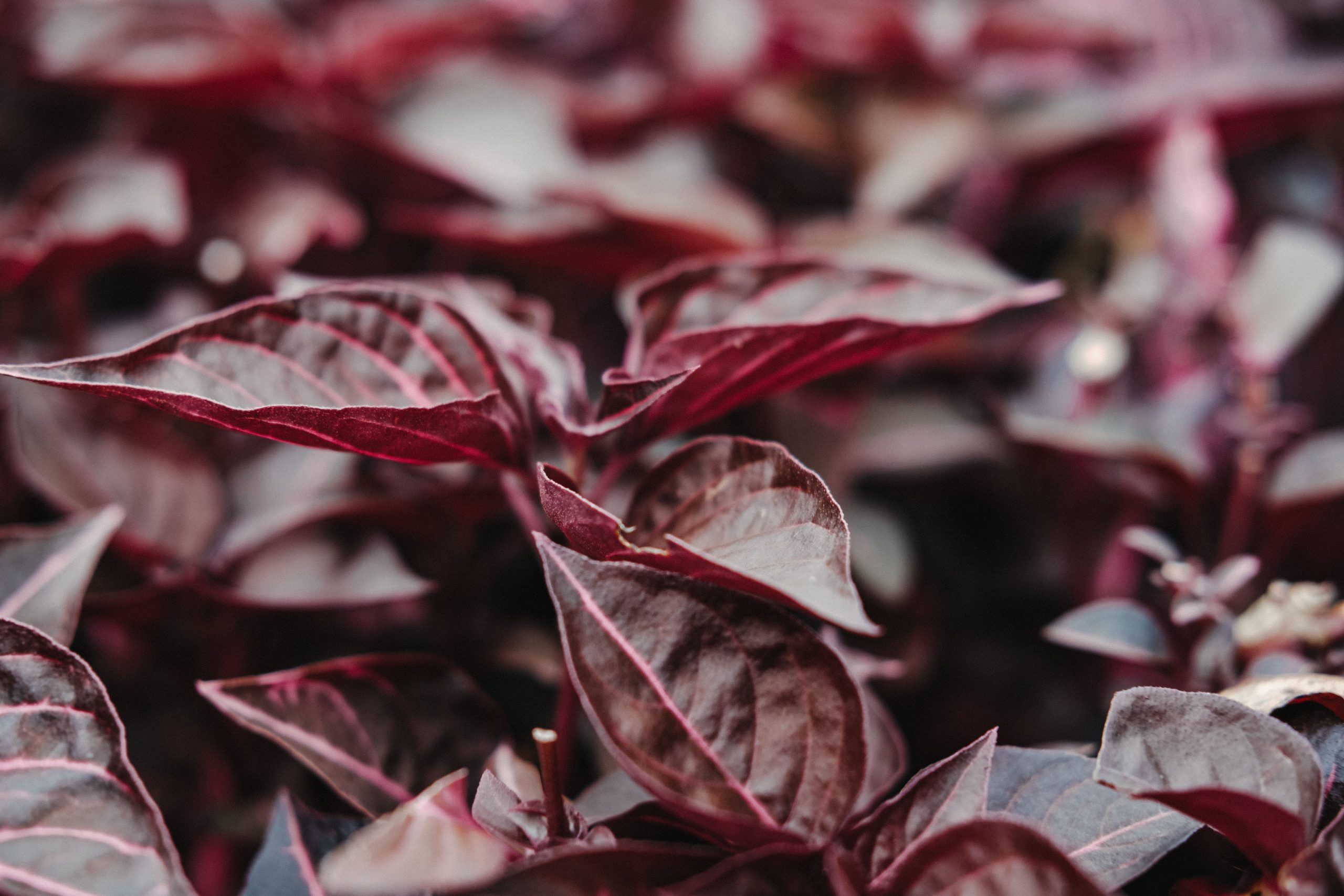
The figure is striking. Untreated dental plaque bacteria have an almost perfect cell-surface hydrophobicity of 99.97%. In other words, these bacteria are extremely “slippery” and readily adhere to tooth surfaces. However, after exposure to a 10% red betel leaf decoction, the figure dropped to just 54.33% — a reduction of nearly half.
This was the finding published by Prof. drg. Tetiana Haniastuti, M.Kes., Ph.D., from the Department of Oral Biology, Faculty of Dentistry, Universitas Gadjah Mada, in the 2016 edition of Dentika Dental Journal. Conducted at the Integrated Research Laboratory of FKG UGM, the study addressed a fundamental question: why can rinsing the mouth with red betel leaf decoction reduce the number of dental plaque bacteria?
Why Do Plaque Bacteria Adhere So Easily?
Dental plaque is more than ordinary dirt. It is a complex soft layer containing bacteria, bacterial metabolic products, an extracellular matrix, and water. More importantly, plaque is a major contributing factor to caries and periodontal disease, two of the most common oral health problems worldwide.
Plaque formation begins with the ability of bacteria to adhere to tooth surfaces that have already been coated with an acquired pellicle, a thin protein layer derived from saliva. Bacteria such as Streptococcus mutans, S. sanguinis, S. mitis, and Actinomyces viscosus are among the first colonizers to attach. Their ability to adhere is largely determined by the hydrophobic properties of their cell surfaces: the more hydrophobic a bacterial cell is, the more strongly it can “cling” to the tooth surface.
This is the critical point that became the focus of Prof. Tetiana’s research. If the hydrophobicity of bacterial cell surfaces can be reduced, the bacteria’s ability to adhere and form plaque colonies may also be weakened.
From the Kitchen to the LaboratoryFrom the Kitchen to the Laboratory
Red betel (Piper crocatum) is not an unfamiliar plant to Indonesian communities. For generations, its leaves have been boiled and used to treat bleeding gums, mouth ulcers, bad breath, and sore throats. What has been less well understood is the scientific mechanism behind these traditional uses.
In this study, the decoction was prepared using a simple method: 10 grams of red betel leaves were boiled in 200 ml of distilled water until boiling, leaving 100 ml of water and producing a 10% concentration. Dental plaque bacteria were collected from the buccal surface of the upper first molar of a healthy volunteer using an excavator and then incubated for 24 hours.
Hydrophobicity was measured using the microbial adhesion to hydrocarbons (MATH) method, a standard technique for assessing the ability of microorganisms to adhere to hydrocarbon surfaces. In this study, n-hexadecane was used to represent a hydrophobic surface. The bacterial suspension was mixed with either the red betel leaf decoction or distilled water as the control, after which absorbance was measured at a wavelength of 550 nm. Each treatment was repeated 15 times to ensure data reliability.
The results were consistent and statistically significant. An independent t-test demonstrated a significant difference between the treatment and control groups (p<0.05).
Three Compounds, One Attack Mechanism
So, how exactly does red betel work against bacteria?
Red betel leaves contain flavonoids, tannins, saponins, alkaloids, and essential oils. The first three are the key compounds highlighted in this study. Flavonoids and tannins, both phenolic derivatives, can interact directly with proteins, enzymes, and lipids in bacterial cell membranes. These interactions alter cell membrane permeability, triggering the release of protons, ions, and macromolecules from inside the cells. As a result, the structure of the cell surface changes and its hydrophobicity decreases.
Saponins work differently but are equally effective. These compounds act as powerful surfactants, reducing surface tension between cells. Once saponins are absorbed onto the bacterial cell surface, membrane permeability increases, allowing essential proteins and enzymes to leak out and reducing cell-surface hydrophobicity.
“The decrease in the hydrophobicity of dental plaque bacterial cell surfaces following exposure to a 10% red betel leaf decoction indicates that the active compounds contained in the red betel leaf decoction, namely flavonoids, tannins, and saponins, can affect the structure of the cell surface.”
The findings also help explain previous research showing that rinsing the mouth with a 10% red betel leaf decoction can clinically reduce the number of dental plaque bacteria. There is now a mechanistic basis that strengthens these observations.
Potential Waiting to Be Developed
Prof. Tetiana’s research opens up an interesting perspective. On the one hand, it validates local knowledge that has been practiced for generations. On the other, it provides a strong scientific basis for developing oral-care products based on natural ingredients that are more affordable and accessible to the wider population.
Many questions remain: How effective would it be in larger clinical trials? Would different concentrations produce more optimal effects? Could a more stable formulation be developed from this extract?
A plant growing in a home garden turns out to contain a mechanism sophisticated enough to combat one of the most common oral health problems in the world. Research such as this reminds us that the answers to many health challenges may sometimes have existed long before we realized it.
Source DOI: https://doi.org/10.32734/dentika.v19i1.146
Authors: Anny Anggraini; drg. Achmad Zam Zam Aghasy, M.Kes.
Photo: Pexels