
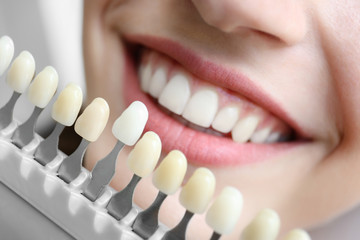
Teeth whitening (bleaching) is becoming increasingly popular as a quick way to achieve a brighter smile. However, behind its attractive aesthetic results, this procedure may cause side effects if not performed properly, such as increased tooth sensitivity or even roughened tooth surfaces. Therefore, it is important to understand how to prevent these risks to ensure whitening results remain safe and optimal.
Side Effects of Teeth Whitening
Whitening procedures, particularly home bleaching using agents such as 10% carbamide peroxide, can cause changes to the surface of tooth enamel. According to research conducted by FKG UGM student Novia Sari Sulistyo, under the supervision of Drg. Pribadi Santosa, M.S., Sp.KG(K) and Drg. Andina Widyastuti, Sp.KG(K), there were significant differences in tooth surface roughness between fluoride and non-fluoride toothpaste groups after home bleaching with 10% carbamide peroxide.
This finding shows that fluoride toothpaste can help reduce the negative impact of teeth whitening on enamel surfaces.
How to Prevent Side Effects of Whitening
- Use Fluoride Toothpaste
Use Fluoride Toothpaste After bleaching, it is recommended to brush your teeth with fluoride toothpaste. Fluoride strengthens enamel and reduces the risk of surface roughness or demineralization. - Do It Under Dentist Supervision
Although many whitening products are available over-the-counter, bleaching should ideally be performed—or at least consulted—with a professional dentist to minimize unwanted risks. - Avoid Acidic Foods and Beverages
During and after whitening, avoid acidic foods and drinks such as soda, citrus fruits, and coffee to prevent irritation on teeth undergoing remineralization. - Do Not Overuse
Excessive whitening can gradually erode enamel. Bleaching should be done in moderation and adjusted to each individual’s dental condition. - Choose Safe and Tested Products
Select whitening products officially approved by health authorities. Avoid unverified products or those containing harmful substances.
***
Teeth whitening can improve aesthetics, but it also carries potential risks if done carelessly. Using fluoride toothpaste after bleaching has been proven to help minimize enamel surface roughness. Ensure every whitening procedure is done wisely and responsibly, and always consult with a dental professional.
References
Novia Sari Sulistyo, drg. Pribadi Santosa, M.S, Sp.KG(K) ; drg. Andina Widyastuti, Sp.KG(K), Differences in the Effect of Brushing with Fluoride and Non-Fluoride Toothpaste on Tooth Surface Roughness after Home Bleaching with 10% Carbamide Peroxide, https://etd.repository.ugm.ac.id/penelitian/detail/185318
Author: Rizky B. Hendrawan | Photo: Freepik