
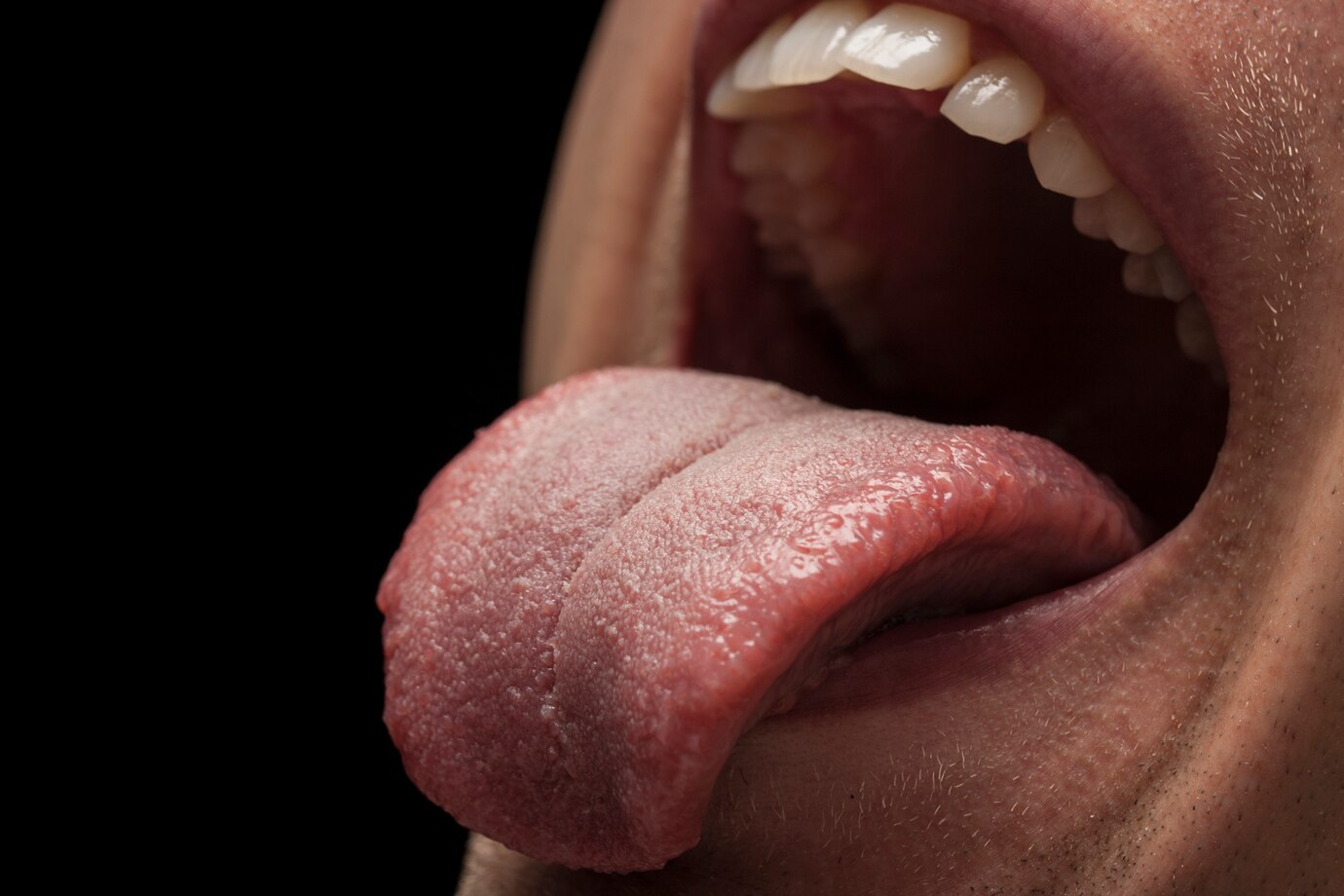
Xerostomia, or dry mouth, is a health issue that is often overlooked but can significantly affect one's quality of life. In this article, we will discuss the causes, effects, and solutions for xerostomia.
What is Xerostomia?
Xerostomia is a condition where the salivary glands do not produce enough saliva to keep the mouth moist. The consequences of this condition can include various oral health problems and broader psychological impacts.
Causes of Xerostomia
Several causes of xerostomia include:
- Medications : Many drugs, especially those used for allergies, depression, and hypertension, can reduce saliva production.
- Medical Conditions : Diseases such as diabetes, Sjögren's syndrome, and other autoimmune conditions can cause xerostomia.
- Radiotherapy: Cancer treatments that involve radiation in the head and neck area can damage the salivary glands.
- Dehydration: Insufficient fluid intake can lead to dry mouth.
Effects of Xerostomia
Xerostomia can have various detrimental effects on oral health and quality of life. As revealed in a study by FKG UGM student, Wandya Zelika P, under the supervision of Prof. drg. Supriatno, M.Kes., MD.Sc., Ph.D., and Dr. drg. Bernadetta Esti Chrismawaty, M.Kes., MD.Sc., regarding the "Oral Health Status through Oral Health Assessment Tool (OHAT) and Subjective Complaints of Xerostomia in Elderly Residents of the Budhi Dharma Elderly Home in Yogyakarta," it was found that 66.67% of elderly residents experienced xerostomia, leading to serious subjective complaints. The impacts include:
- Difficulty Speaking and Swallowing: The lack of saliva can make speaking and swallowing food uncomfortable.
- Increased Risk of Cavities: Saliva helps protect teeth from damage. With reduced saliva production, the risk of tooth decay and other dental problems increases.
- Oral Infections: Xerostomia can make it easier for mouth infections, including fungal infections, to occur.
- Psychological Effects: Discomfort and speaking difficulties can affect a person's self-confidence and social interactions.
Solutions for Xerostomia
Managing xerostomia requires a holistic approach. Some solutions include:
- Medical Care: Consult a doctor to evaluate the medications being used and find alternatives that do not cause xerostomia.
- Hydration: Ensure adequate fluid intake and consider using artificial saliva or special products to help maintain moisture in the mouth.
- Good Oral Hygiene: Brushing teeth twice a day and using a dentist-friendly mouthwash will help prevent further damage.
- Avoid Certain Foods and Drinks: Reduce consumption of salty, spicy, or acidic foods and drinks that can exacerbate dry mouth.
***
Xerostomia is a condition that requires serious attention due to its impact on oral health and overall quality of life. Understanding its causes, effects, and implementing the appropriate solutions can help manage this condition better. If you experience symptoms of xerostomia, it is highly recommended to consult with a healthcare professional for a proper diagnosis and treatment.
References
Wandya Zelika P, Prof. drg. Supriatno, M.Kes., MD.Sc., Ph.D., Dr. drg. Bernadetta Esti Chrismawaty, M.Kes., MD.Sc., Oral Health Status through Oral Health Assessment Tool (OHAT) and Subjective Complaints of Xerostomia in Elderly Residents of the Budhi Dharma Elderly Home in Yogyakarta, https://etd.repository.ugm.ac.id/penelitian/detail/176577
Author: Rizky B. Hendrawan | Photo: Freepik