
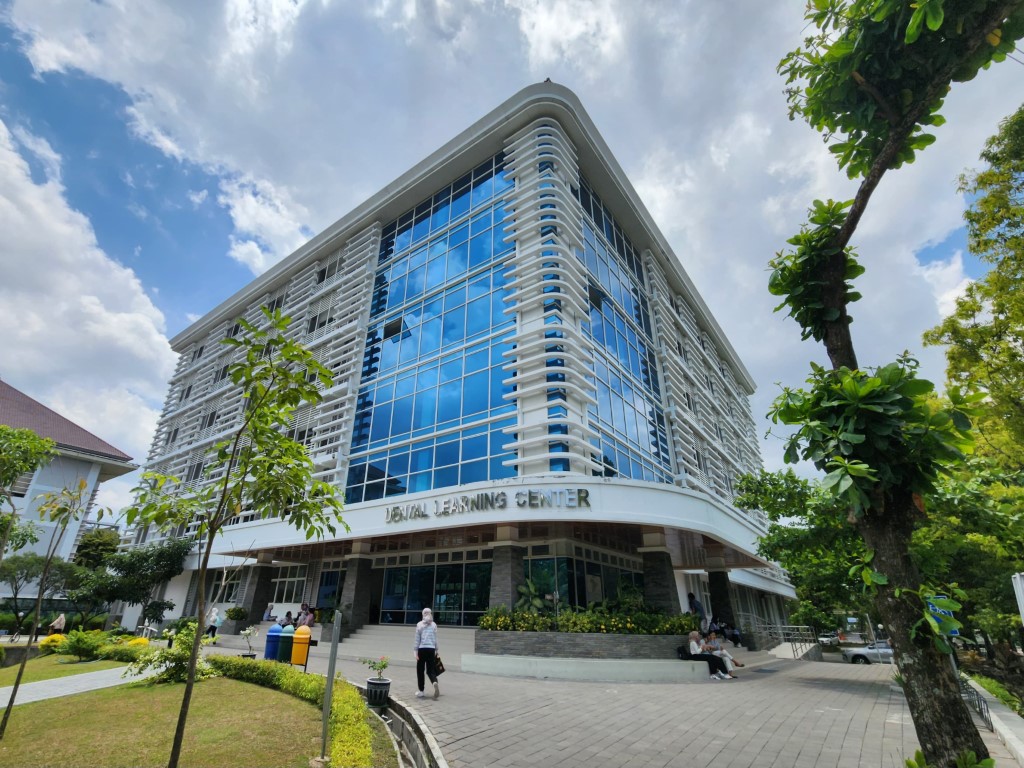
As awareness of the importance of sustainable development increases, the concept of green buildings has now become a reference in the design and management of modern buildings, including in the education sector. Multi-story buildings with high mobility and intensive activities must be designed not only to be functional but also efficient in energy consumption, comfortable to use, and environmentally friendly.
The Faculty of Dentistry, Universitas Gadjah Mada (FKG UGM), is one of the educational institutions that has adopted this approach through the construction of the Dental Learning Center (DLC) Building. This six-story building with one basement is used for various academic activities such as lectures, practicums, and examinations. It houses several laboratories, including the Integrated Research Laboratory, Dental Unit Laboratory, and Phantom Laboratory. The building is also equipped with modern research-supporting facilities such as CAD/CAM and 3D Printing.
In general, a building can be categorized as a green buildings if it meets several indicators, including energy and water efficiency, indoor air and lighting quality, as well as the use of renewable energy sources. Energy use efficiency and lighting systems are two key components that often receive attention in evaluating green building performance.
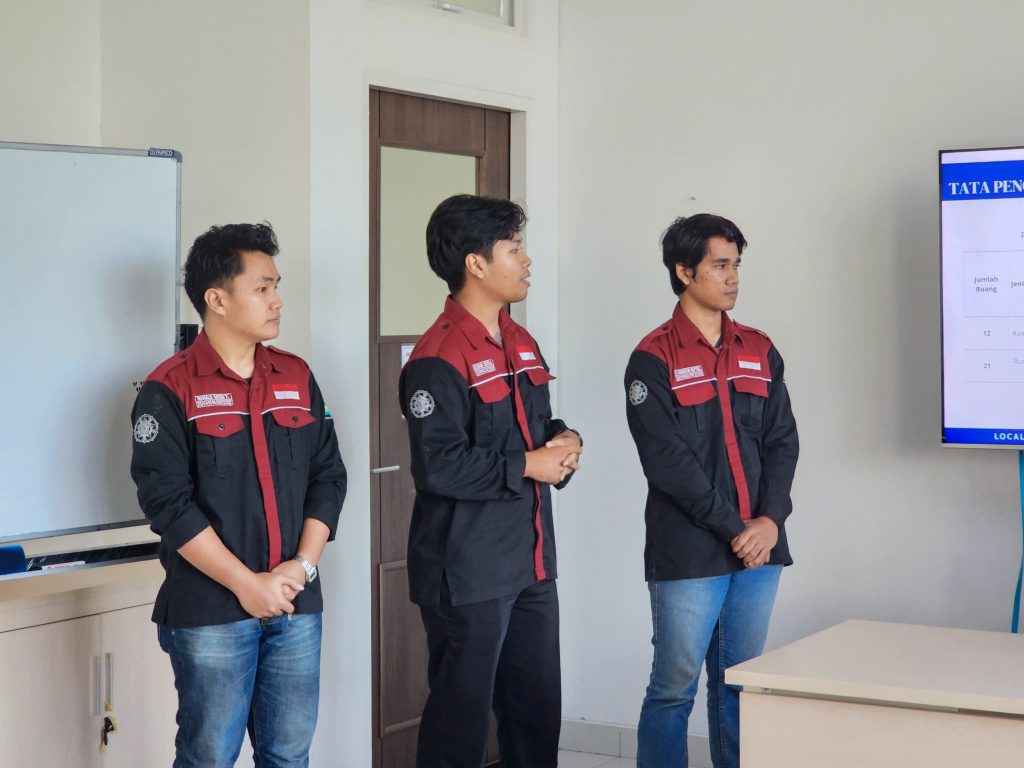
As part of its ongoing effort toward a green campus, the DLC Building underwent an energy audit to assess the efficiency of its lighting system and electricity consumption. The audit was carried out by a team of students from the Electrical Engineering Technology Study Program, Vocational School of Universitas Gadjah Mada, on Wednesday, 18 June 2025. The audited sectors included measurements of room lighting intensity, temperature, and analysis of electricity usage per floor.
Energy Use and Lighting at the DLC Building
Muhammad Farhatan, as the team leader, presented several audit findings. Farhatan stated that the air conditioning (AC) system and lighting are the two elements with the highest contribution to energy consumption. Energy usage levels varied on each floor depending on the intensity of activities. The first floor recorded the highest energy consumption, while the sixth floor had the lowest, in line with the frequency of room use.
“In terms of lighting, most rooms during daytime already receive sufficient natural light, with some even showing high illumination levels despite the lamps being switched off. This finding indicates that optimizing natural lighting has the potential to increase energy efficiency, especially when combined with adaptive lamp arrangements according to activity needs,” said Farhatan.
Overall, the annual Energy Consumption Intensity (ECI) value in the DLC Building is below the threshold set by the Ministry of Energy and Mineral Resources, indicating fairly good efficiency. However, to maintain and improve energy performance, several strategic steps are recommended, such as setting AC temperatures within the optimal range (24–25°C), using energy-efficient lamps (LED), and implementing more structured operational management of lamps and air conditioning.
In addition, Farhatan and the team stated that the potential use of solar energy was identified as a prospective step. The flat roof of the DLC Building is considered ideal for solar panel installation. Simulations showed that a 20 kWp solar power system could meet around 6.6% of annual electricity needs and save up to IDR 36 million per year, while also reducing carbon emissions.
Commitment Toward a Sustainable Campus
The audit of energy consumption and lighting systems is part of FKG UGM’s continuous efforts to realize an energy-efficient and environmentally friendly campus. Beyond supporting operational efficiency, this effort also reflects the institution’s awareness of the importance of energy conservation and environmentally conscious infrastructure development.
With its commitment to the principles of green buildings, the Dental Learning Center Building serves not only as a center for learning and research but also as a reflection of FKG UGM’s vision to continuously move toward a more sustainable future.
Author and Photographer: Fajar Budi Harsakti

