
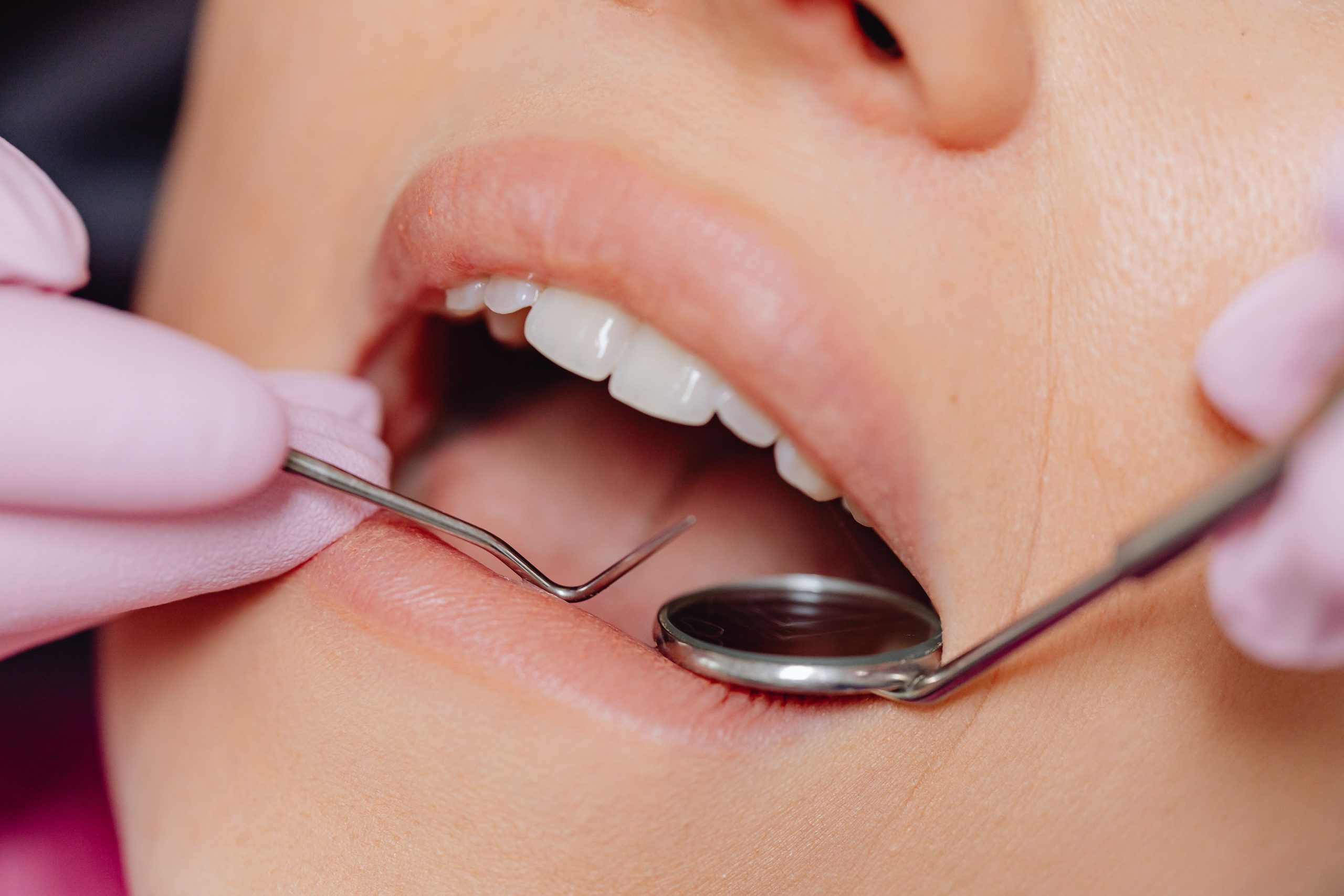
A syringe, Wistar rats, and golden-yellow rhizomes — an unlikely combination that turned out to hold answers to a long-standing question: can an Indonesian herbal plant work against one of the most aggressive bacteria responsible for gum disease?
A study published in Majalah Kedokteran Gigi (June 2013) offers an intriguing finding. Prof. Dr. drg. Juni Handajani, M.Kes., Ph.D., PBO, from the Department of Oral Biology, Faculty of Dentistry, Universitas Gadjah Mada, demonstrated that the essential oil of white turmeric (Curcuma zedoaria Rosc.) was able to reduce CD4+ expression in the gingival tissue of rats exposed to Aggregatibacter actinomycetemcomitans — a Gram-negative bacterium long recognized as a major culprit in aggressive periodontitis.
The Tiny Enemy Hiding in the Gingival Pocket
A. actinomycetemcomitans is no ordinary bacterium. It hides in subgingival plaque and produces leukotoxins capable of destroying polymorphonuclear cells, macrophages, and fibroblasts simultaneously. More than 90% of cases of periodontitis involving alveolar bone loss and gingival pocket formation have been found to contain this bacterium. Even among individuals with gingivitis, more than 20% of subgingival plaque sites are already contaminated.
This is where CD4+ becomes crucial. This glycoprotein, found on the surface of helper T cells, monocytes, macrophages, and dendritic cells, serves as a marker of inflammatory severity. In inflamed gingival tissue, approximately 20–30% of isolated lymphocytes are CD4+ T cells. The more severe the inflammation, the stronger its expression.
The question, then, is not simply about bacteria and the immune system. It is whether a plant that has been used for centuries by Indonesians as a remedy for wounds and a traditional medicinal agent can actually intervene in this immunological process.
From Rhizome to Histological Slides
The study began long before the first rat received treatment. White turmeric rhizomes were identified at the Department of Pharmaceutical Biology, Faculty of Pharmacy, UGM, and then distilled at UGM’s Integrated Research and Testing Laboratory. From 2,833 grams of rhizomes, only 3 ml of 100% concentrated essential oil was obtained — a figure that illustrates just how concentrated the plant’s active compounds are.
Ten three-month-old male Wistar rats were divided into two groups. The treatment group received white turmeric essential oil at a dose of 30.6 μl/ml daily for 14 days, while the control group received only distilled water (aquabidest). Beginning on day 7, the mandibular anterior gingiva of all rats was treated with 100 μl of an A. actinomycetemcomitans suspension once daily for seven consecutive days.
On day 15, the rats were anesthetized and euthanized. The anterior mandibular gingival tissue was collected, fixed in 10% buffered formalin, decalcified with 10% EDTA, and then processed for Hematoxylin-Eosin staining and immunohistochemistry using CD4+ antibodies from Santa Cruz Biotechnology, USA. Observations were conducted at the Histology Laboratory of the Faculty of Medicine, UGM.
Gingival Tissue Speaks Through the Microscope
The results were clear. Clinically, the gingiva of the control group still showed obvious signs of gingivitis on day 14, whereas the treatment group appeared healthy.
Under light microscopy, the difference became even more pronounced. The control group showed strong positive CD4+ expression in the lamina propria and stratum basale. In the treatment group, only weak positive expression was observed, limited to the lamina propria.
“Induction with white turmeric essential oil can reduce gingival inflammation, as indicated by decreased CD4+ expression.”
This was the conclusion drawn by Prof. Dr. drg. Juni Handajani, M.Kes., Ph.D., PBO, in the study. Three mechanisms are thought to work simultaneously. First, the antimicrobial activity of white turmeric essential oil may directly inhibit the growth of A. actinomycetemcomitans. Second, compounds such as furanodiene and furanodienone in the essential oil may act as anti-inflammatory agents. Third, active fractions of white turmeric may enhance macrophage phagocytic activity, thereby strengthening the body’s immune response from within.
Ancestral Herbal Medicine, Untapped Potential
This study offers a new perspective on the place of white turmeric within Indonesia’s herbal medicine tradition. A plant long known as a culinary ingredient and traditional remedy appears to possess mechanisms that can be measured immunologically — going beyond generations of empirical claims.
Of course, there is still a long road from a rat model to clinical application in humans. Dosage, formulation, and long-term safety studies remain unanswered questions. Nevertheless, the histological data generated by Prof. Dr. drg. Juni Handajani, M.Kes., Ph.D., PBO, provide a solid scientific foundation for further investigation.
A small bottle of golden-yellow essential oil obtained from 2,833 grams of rhizomes — and within it may lie the future of nature-based periodontal therapy that we have so far overlooked.
Source DOI: https://doi.org/10.22146/majkedgiind.8193
Authors: Anny Anggraini; drg. Achmad Zam Zam Aghasy, M.Kes.
Photo: Freepik (Magnific)