
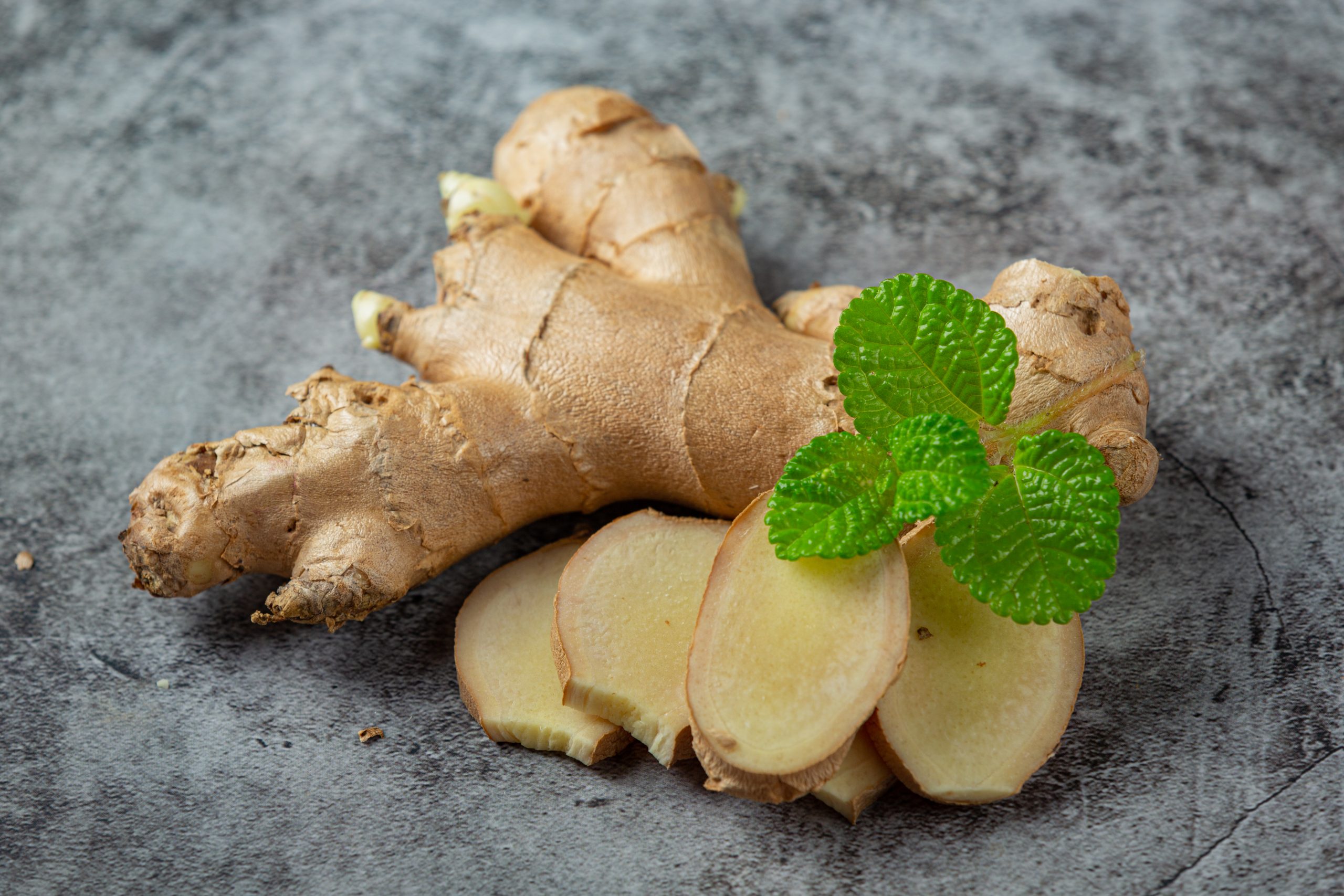
A single macrophage can engulf as many as 35 particles at once. That is more than just a laboratory figure — it was the result obtained by Prof. Dr. drg. Juni Handajani, M.Kes., Ph.D., PBO, from the Department of Oral Biology, Faculty of Dentistry, Universitas Gadjah Mada, when she examined the effects of white turmeric essential oil (Curcuma zedoaria Rosc.) on the phagocytic activity of macrophages exposed to the periodontal bacterium Aggregatibacter actinomycetemcomitans. By comparison, cells in the control group were able to phagocytose only around 12 particles. The difference speaks for itself.
Published in Dentika Dental Journal (Vol. 17, No. 3, 2013), the study did more than test a local herbal remedy. It addressed a more fundamental question: could serum opsonization — the process by which immune proteins label pathogens so that they can be more easily recognized by phagocytic cells — further enhance the immunomodulatory effects of a plant traditionally familiar in Indonesian kitchens and herbal medicine?
A Periodontal Bacterium as the Provocateur
A. actinomycetemcomitans is no stranger to the oral cavity. This Gram-negative, facultative rod-shaped bacterium is commonly found in dental plaque, periodontal pockets, and gingival sulci. Under certain conditions, it can contribute to endocarditis, brain abscesses, and progressive periodontal disease. Its presence in the gingiva of the Wistar rats in this experiment was not accidental; it was selected as a clinically relevant inflammatory stimulus.
Ten male Wistar rats were divided into two groups. The treatment group received white turmeric essential oil at a dose of 30.6 μl/ml orally for 14 days, while the control group received only distilled water (aquabidest). On day 7, the mandibular anterior gingiva of all rats was treated with 100 μl of an A. actinomycetemcomitans suspension in 2% CMC, and the application was repeated for seven consecutive days. All procedures were conducted at UGM’s Integrated Research and Testing Laboratory (LPPT) with formal ethical approval from the Research Ethics Committee of the Faculty of Dentistry, UGM.
On day 15, blood was collected from the retro-orbital plexus to prepare serum. Latex beads measuring 3 μm in diameter — used as substitutes for bacterial particles in the nonspecific phagocytosis assay — were then incubated in the serum for one hour before being exposed to peritoneal macrophages. After 24 hours of culture, the macrophage cells were stained with 20% Giemsa and examined under a light microscope.
Serum as the Final Determining Factor
This is where the study’s novelty lies. Juni Handajani did not simply measure whether white turmeric essential oil directly increased macrophage activity — a question that had already been partly addressed by previous research. She added another variable: could the serum from rats treated with the essential oil also carry an “immune signal” capable of enhancing the opsonization process?
The results confirmed that it could. An independent t-test showed a significant difference between the treatment and control groups (p = 0.00). Phagocytic activity reached 126.86%, indicating that induction with white turmeric essential oil increased the macrophages’ phagocytic activity against opsonized latex beads to more than double the control level.
“Serum opsonization can increase the phagocytic activity of macrophage cells previously induced with white turmeric essential oil.” — Prof. Dr. drg. Juni Handajani, M.Kes., Ph.D., PBO, Dentika Dental Journal, 2013
The mechanism thought to underlie this finding involves the production of Tumour Necrosis Factor-α (TNF-α), a pleiotropic cytokine that activates macrophages through respiratory burst-dependent and NO-dependent killing pathways. White turmeric essential oil, which contains sesquiterpenes such as furanodiene and furanodienone, is thought to stimulate the in vivo production of these soluble proteins, allowing the resulting serum to contain molecules that activate macrophages through both autocrine and paracrine mechanisms.
From a Golden Rhizome to Clinical Immunology
White turmeric is not a new plant in Indonesia’s traditional medicine heritage. Its rhizomes have long been used in postpartum herbal preparations, tonics, and wound remedies. What distinguishes Juni Handajani’s research is its effort to place this traditional knowledge within a rigorous molecular immunology framework — complete with controls, a Shapiro-Wilk normality test, and standardized ethical protocols for animal experimentation.
The white turmeric essential oil used in this study was obtained through distillation at LPPT UGM. From 2,833 grams of fresh rhizomes, only 3 ml of 100% concentrated essential oil was obtained — a figure that illustrates the density of active compounds stored within the rhizome.
These findings open the door to further exploration: could white turmeric essential oil be developed as a herbal-based immunomodulatory agent to support periodontal tissue defense? That question remains unanswered. Yet a single macrophage capable of engulfing 35 particles at once — compared with 12 in the untreated group — provides a starting point that is difficult to ignore.
Source DOI: https://doi.org/10.32734/dentika.v17i3.1702
Authors: Anny Anggraini; drg. Achmad Zam Zam Aghasy, M.Kes.
Photo: Freepik (Magnific)