
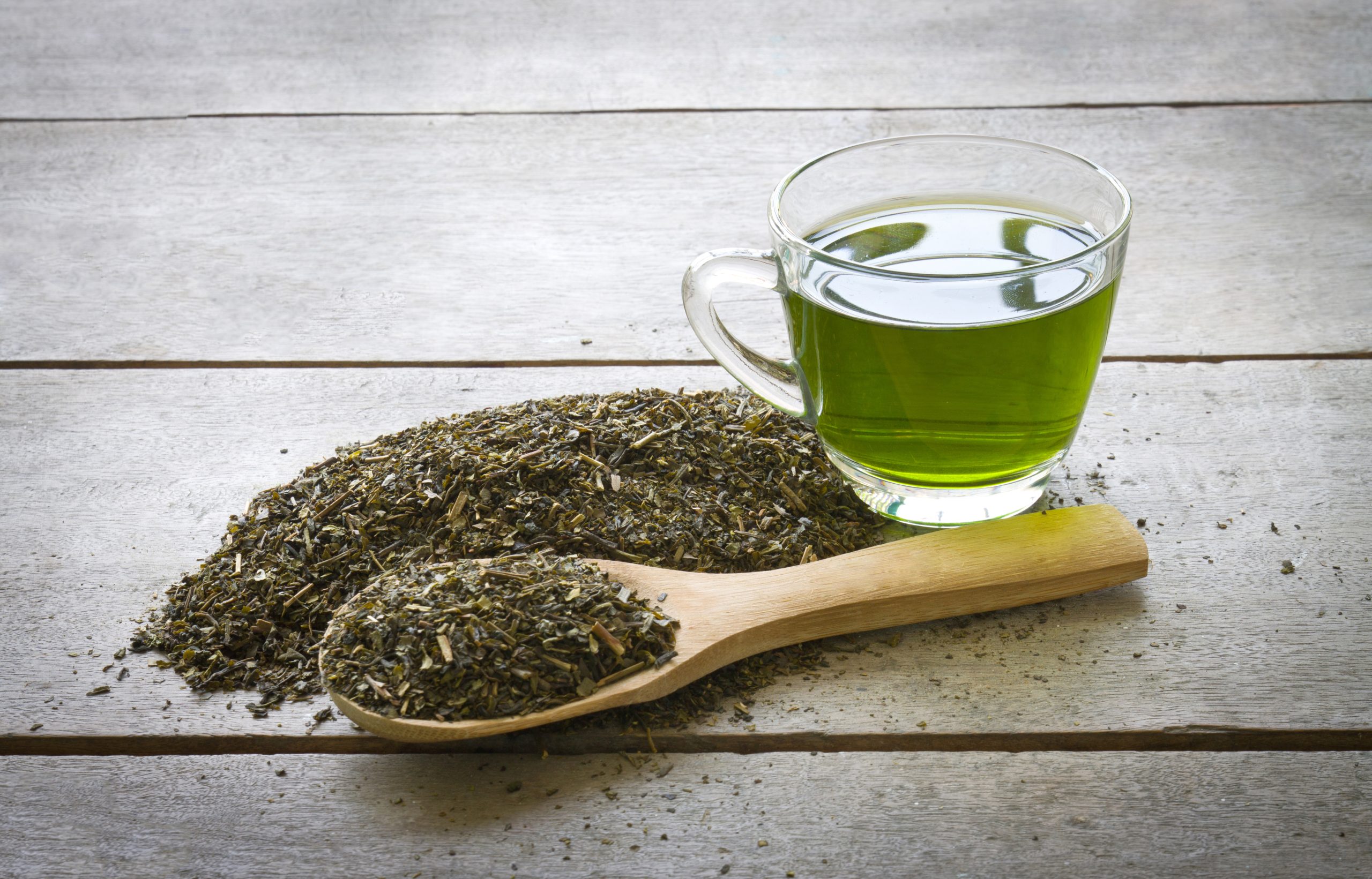
Researchers from the Faculty of Dentistry, Universitas Gadjah Mada, led by Dr. drg. Yulita Kristanti, M.Kes., Sp.KG(K), together with Prof. Dr. drg. Juni Handajani, M.Kes., Ph.D., Dr. drg. Raphael Tri Endra Untara, M.Kes., Sp.KG(K), drg. Pribadi Santosa, M.S., Sp.KG., and drg. Iffah Mardhiyah, M.Biomed, have found that a 10% extract of green tea (Camellia sinensis) significantly reduces COX-2 expression, an inflammatory marker in the dental pulp tissue of Wistar rats previously exposed to 40% hydrogen peroxide bleaching agent. Published in the 2025 issue of the Journal of International Dental and Medical Research, the findings suggest that a natural ingredient commonly found in the kitchen may help protect the dental pulp from the adverse effects of clinical bleaching procedures.
Extracoronal tooth bleaching has long been a popular option for patients seeking a brighter smile. Forty-percent hydrogen peroxide is a commonly used whitening agent in clinical settings because of its ability to break the double bonds in chromophores, the compounds responsible for tooth coloration, thereby making the teeth appear lighter.
However, there is a price to pay. Hydrogen peroxide molecules are very small, with a molecular weight of only 34 Daltons, allowing them to penetrate enamel and dentinal tubules and reach the pulp chamber. Once there, the compound generates free radicals such as hydroxyl radicals and superoxide anions, which can damage cellular DNA, disrupt cellular metabolism, and even trigger pulp necrosis if left unchecked. One of the clearest markers of this inflammatory response is increased expression of the enzyme COX-2 (Cyclooxygenase-2), which plays a role in prostaglandin synthesis, compounds that contribute to pain and further inflammation.
Green tea has long been known for its high polyphenol content, particularly catechins. One of its most active compounds is epigallocatechin gallate (EGCG), a major antioxidant in tea leaves that works by donating electrons to free radicals, stabilizing them and preventing further cellular damage.
In this study, the team used 15 molar teeth from male Wistar rats, which were divided into three groups. After all teeth underwent bleaching with 40% hydrogen peroxide, the first group was rinsed only with warm distilled water as the control, the second group received 5% green tea gel, and the third received 10% green tea gel. One day after treatment, the dental pulp tissues were examined using immunohistochemical (IHC) staining to measure COX-2 expression.
The researchers deliberately chose a gel formulation rather than a liquid. Gel allows the active ingredients to remain in contact with the tooth surface for longer than a conventional solution, potentially producing a more optimal effect on the pulp tissue in a clinical setting.
“This study demonstrates that 10% green tea gel can significantly reduce COX-2 expression following extracoronal bleaching with 40% hydrogen peroxide.” — Dr. drg. Yulita Kristanti, M.Kes., Sp.KG(K), Department of Conservative Dentistry, FKG UGM
Kruskal-Wallis analysis showed statistically significant differences among the three groups (p=0.00). Pairwise comparisons using the Mann-Whitney test also demonstrated significant differences, indicating that the findings were unlikely to have occurred by chance.
The control group, which was rinsed only with distilled water, showed the strongest COX-2 expression and was categorized as strong positive. This is consistent with the fact that without antioxidants, residual hydrogen peroxide may remain in the dentinal tubules and continue to trigger inflammation. The 5% green tea gel group showed lower positive expression, while the 10% green tea gel group recorded the lowest expression and was categorized as weak positive.
This pattern reinforces the mechanism already understood: higher concentrations of EGCG inhibit NF-κB activation, a major molecular pathway that promotes the production of pro-inflammatory cytokines such as IL-6 and the enzyme COX-2 by immune cells such as macrophages and monocytes. In other words, the higher the concentration of green tea administered, the greater the inhibition of the post-bleaching inflammatory cascade.
The study was supported by a grant from FKG UGM (Research Contract No. 3901/UNI/KG/Set.KG/LT/2024) and received ethical approval from the Ethics Committee of FKG UGM-RSGM Prof. Soedomo under No. 35/UN1/KEP/FKG-RSGM/EC/2023.
These findings are more than just another addition to the body of laboratory data. Their implications are quite concrete: antioxidant gel based on green tea may potentially be incorporated into clinical bleaching protocols as a measure to protect the pulp after the procedure. For the millions of patients who undergo tooth whitening in dental clinics each year, such protection could make the difference between a comfortable procedure and one that ends in prolonged pain or pulp complications. Of course, the journey from the laboratory bench to the dental chair is still a long one. Larger-scale clinical trials in humans are still needed. But for now, a cup of green tea may hold more benefits than we once thought.
Author: drg. Achmad Zam Zam Aghasy, M.Kes., Annisa Dwi Noviyanti
Photo: FreePik
Source DOI: https://doi.org/10.1016/j.dentre.2022.100055