
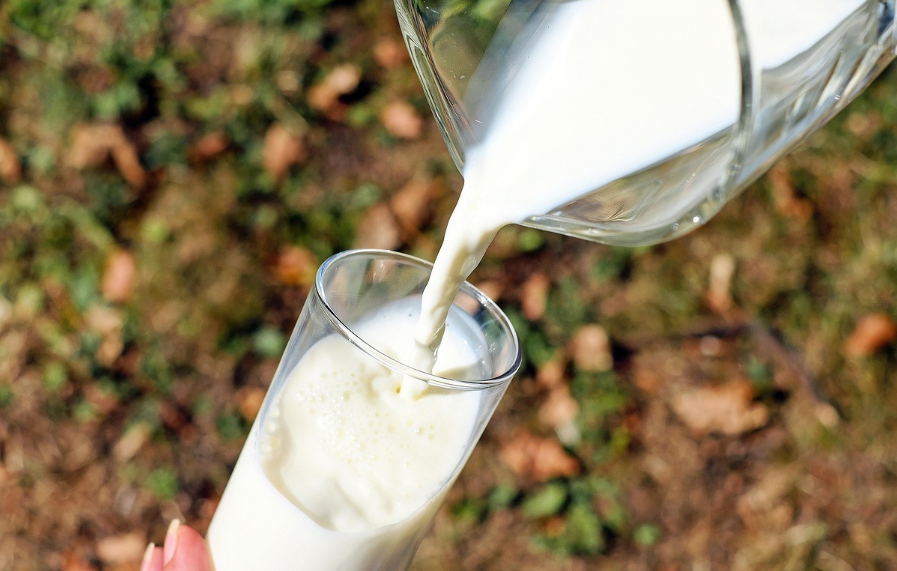
A study published in Odontology in 2025 revealed a rather surprising finding: ordinary cow's milk may help restore the surface hardness of tooth enamel eroded by acidic beverages such as cola, orange juice, and coffee. The study was conducted at Seoul National University, South Korea, with drg. Sri Larnani, MDSc., an Indonesian researcher, among its authors. This laboratory study tested ten different acidic solutions on bovine enamel specimens and then examined whether milk and artificial saliva could repair the resulting damage. The findings provide new insight into how everyday beverages affect dental health and what can be done to slow the damage.
Cola Was the Most Acidic, Coffee the “Gentlest”
Among the four acidic beverages tested, original cola had the lowest pH at 2.4. Cola Zero had a pH of 2.7, followed by orange juice at 3.9 and coffee at 5.1. The lower the pH, the more acidic the solution and the greater its potential to damage tooth enamel.
In the experiment, 80 bovine enamel specimens were immersed in each solution for a total of one hour. The results were consistent: all acidic solutions, including everyday beverages and laboratory-prepared citric acid solutions, increased surface roughness (Ra) and enamel abrasion depth while reducing microhardness. In other words, the enamel became rougher, thinner, and softer after exposure to acid.
The most damaging of all the solutions tested was the citric acid buffer at pH 3 (CAB1), a mixture of citric acid and disodium phosphate. This solution had a high buffering capacity, meaning that it could maintain its acidity for longer and was more difficult for saliva to neutralize. In the CAB1 group, surface roughness continued to increase even after remineralization, making it the only group to demonstrate this pattern.
“Buffer solutions, compared with ordinary citric acid solutions, produced statistically significant differences on the enamel surface, with greater roughness and abrasion depth and a greater reduction in hardness.” — Sri Larnani et al., Odontology (2025)
What Happens Inside Tooth Enamel?
Tooth enamel is composed of hydroxyapatite crystals, the hardest mineralized tissue in the human body. However, this hardness does not make enamel immune to acids. When acid comes into contact with the enamel surface, it dissolves calcium and phosphate ions, which are the primary components of these crystals.
This process differs from dental caries, which involves bacteria. Enamel erosion is a purely chemical reaction between acids and dental minerals, without microbial involvement. This is why erosion can occur in anyone who frequently consumes acidic beverages, even people who brush their teeth regularly and do not have caries. Citric acid, which is commonly found in soft drinks and even some tooth-whitening products, acts through two mechanisms: it releases hydrogen ions that directly dissolve minerals and binds calcium ions through a process known as chelation. This combination makes citric acid one of the most aggressive substances toward tooth enamel.
Asam sitrat, yang banyak ditemukan dalam minuman ringan dan bahkan produk pemutih gigi, bekerja melalui dua mekanisme sekaligus: melepaskan ion hidrogen yang langsung melarutkan mineral, dan mengikat ion kalsium melalui proses yang disebut kelasi. Kombinasi ini membuat asam sitrat menjadi salah satu zat yang paling agresif terhadap email gigi.
Milk Shows Promise, but There Are Limits
After demineralization, the specimens were divided into two groups: some were immersed in fresh milk, while others were immersed in artificial saliva. Both groups were tested for three hours to determine the extent of recovery.
The results showed that microhardness increased significantly in both groups following remineralization. Milk performed better than artificial saliva in increasing hardness. This makes chemical sense: milk contains calcium, phosphate, and casein proteins, which can form a protective layer on the enamel surface while supplying minerals needed for recovery.
However, there was less encouraging news. Although hardness increased, the enamel surface did not completely return to its original condition. Surface roughness and abrasion depth remained higher than before acid exposure, even after three hours of remineralization. This means that milk and saliva can slow or partially reverse the damage, but they cannot completely erase the effects of erosion that have already occurred.
This finding is important for the general public to understand. Enamel that remains softened after acid exposure is more vulnerable to mechanical friction, such as that caused by toothbrushing. Brushing immediately after consuming acidic beverages may actually accelerate enamel wear.
A Message for Everyday Life
This study does not mean that people should stop drinking coffee or orange juice. Rather, it provides a clearer picture of what happens whenever we consume a beverage with a low pH and why such consumption patterns deserve attention.
Several practical lessons can be taken from the study: wait at least 30 minutes before brushing after consuming acidic beverages, consume milk or dairy products after meals containing acidic beverages, and do not overlook the natural protective role of saliva.
For clinicians and researchers, the study also raises several interesting questions. What happens with long-term exposure under real oral conditions? How effective is natural salivary remineralization compared with laboratory conditions? And are there other remineralizing agents that are more effective than ordinary milk?
The research by drg. Sri Larnani, MDSc., and the team at Seoul National University provides an important foundation for addressing these questions a small step that began with a morning cup of coffee.
Authors: Achmad Zam Zam Aghasy, DDS, M.Kes.; Hazra Alifia Muharam
Foto: Pixabay
Source DOI: https://doi.org/10.1007/s10266-024-00960-y