
A master's program integrated with specialist dental education (double degree) requires a clear distinction between the two curricula. Without well-defined boundaries, the master's program risks becoming merely a stepping stone toward specialist training, while the specialist program may lose its primary clinical focus.
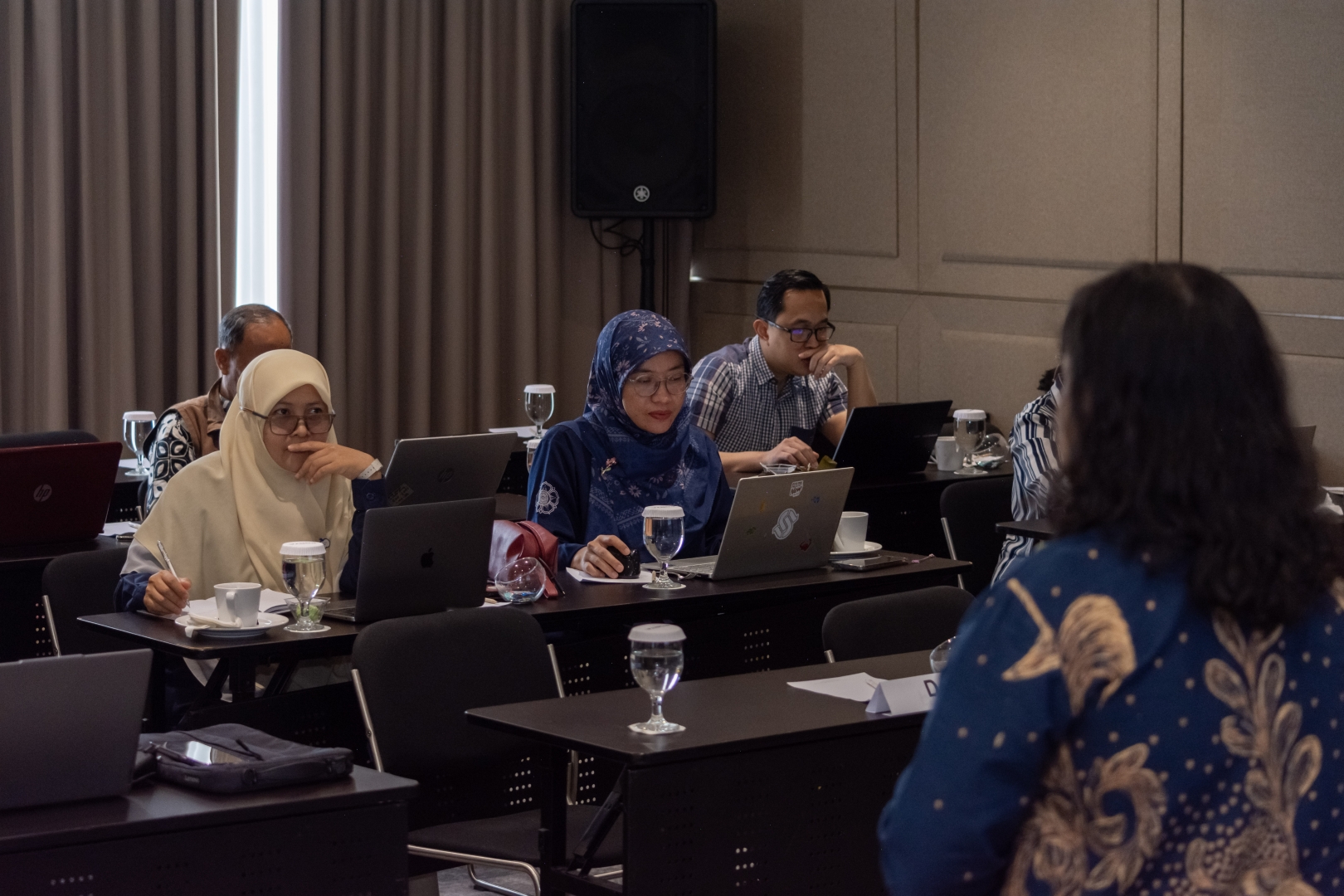
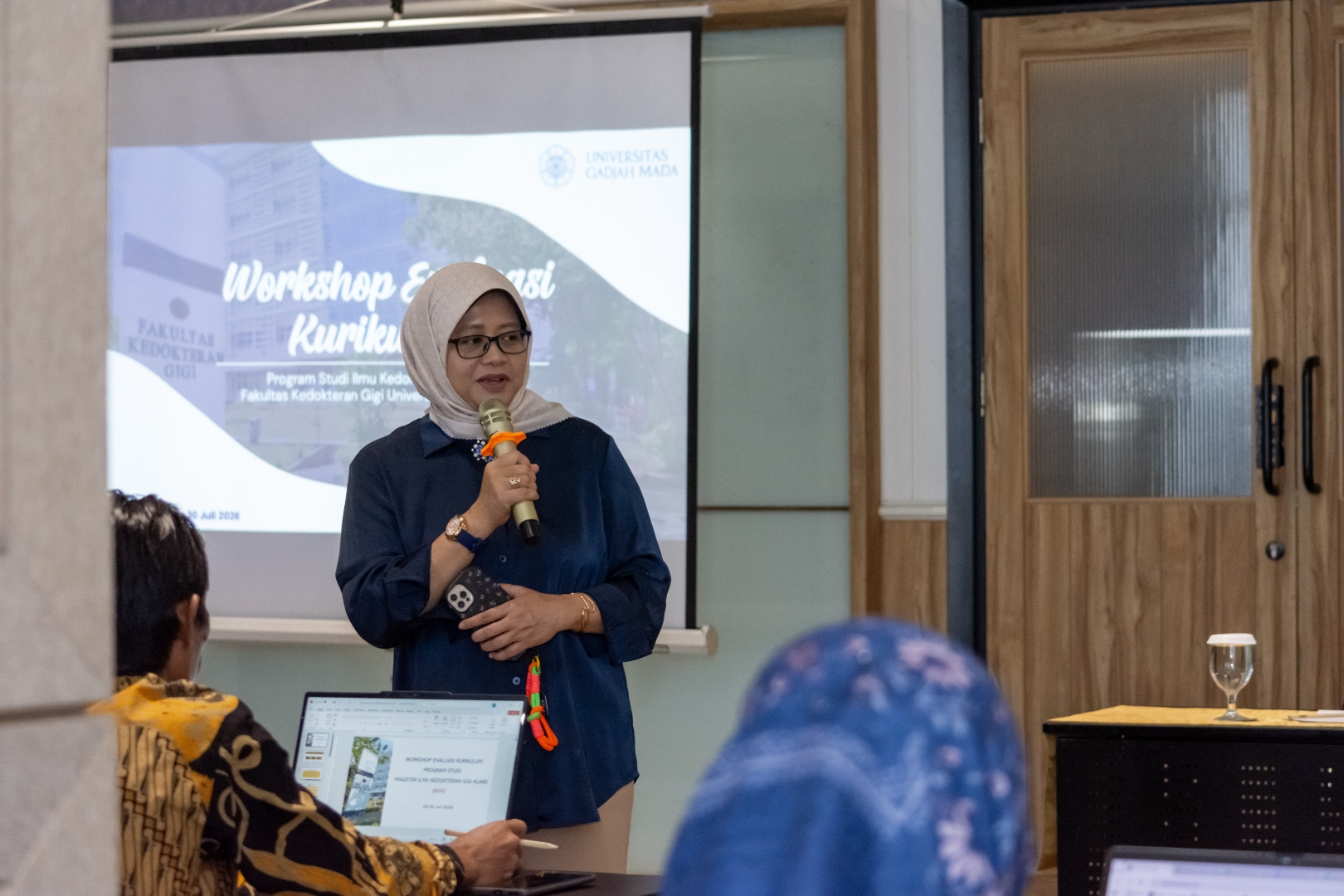
This issue was discussed during the Curriculum Evaluation Workshop for the Master of Clinical Dentistry Science (IKGK) Program at the Faculty of Dentistry, Universitas Gadjah Mada (FKG UGM), held on Wednesday (29 July 2026). The IKGK Master's Program at FKG UGM is designed to award two academic qualifications simultaneously: a Master of Dental Science (MDSc) and a Dental Specialist degree (Sp.KGA/Sp.Perio).
Guest speaker drg. Fimma Naritasari, MDSc., emphasized the importance of establishing clear curricular boundaries within the double degree program. According to her, the master's curriculum should focus on advancing scientific knowledge through research and innovation, while the specialist curriculum should concentrate on clinical practice and patient management.
She explained that the IKGK curriculum redesign follows the latest national regulations, including the Minister of Higher Education, Science, and Technology Regulation No. 39 of 2025 and the UGM Rector's Regulation. Under these policies, the Graduate Learning Outcomes (CPL) have been simplified by integrating attitudes, knowledge, and skills into a unified competency framework.
"Although the boundaries are clearly defined, both programs remain complementary. The bridge between the master's and specialist curricula lies in several core courses, including research methodology, evidence-based dentistry, biostatistics, and research ethics," Fimma explained.
In addition to presenting the curriculum framework, she guided course coordinators through the implementation of constructive alignment , a curriculum design approach that maps Graduate Learning Outcomes (CPL) to course content, Course Learning Outcomes (CPMK), Semester Learning Plans (RPS), and measurable assessment rubrics.
The need for a clearly structured double degree double degree increasingly urgent following changes in national educational policies. Vice Dean for Academic and Student Affairs, Prof. drg. Rosa Amalia, M.Kes., Ph.D., explained that health professional education institutions are currently adapting to numerous regulatory changes, particularly after the release of the 2026 Specialist Dentist Competency Standards (SKDGI) by the Indonesian Health Council.
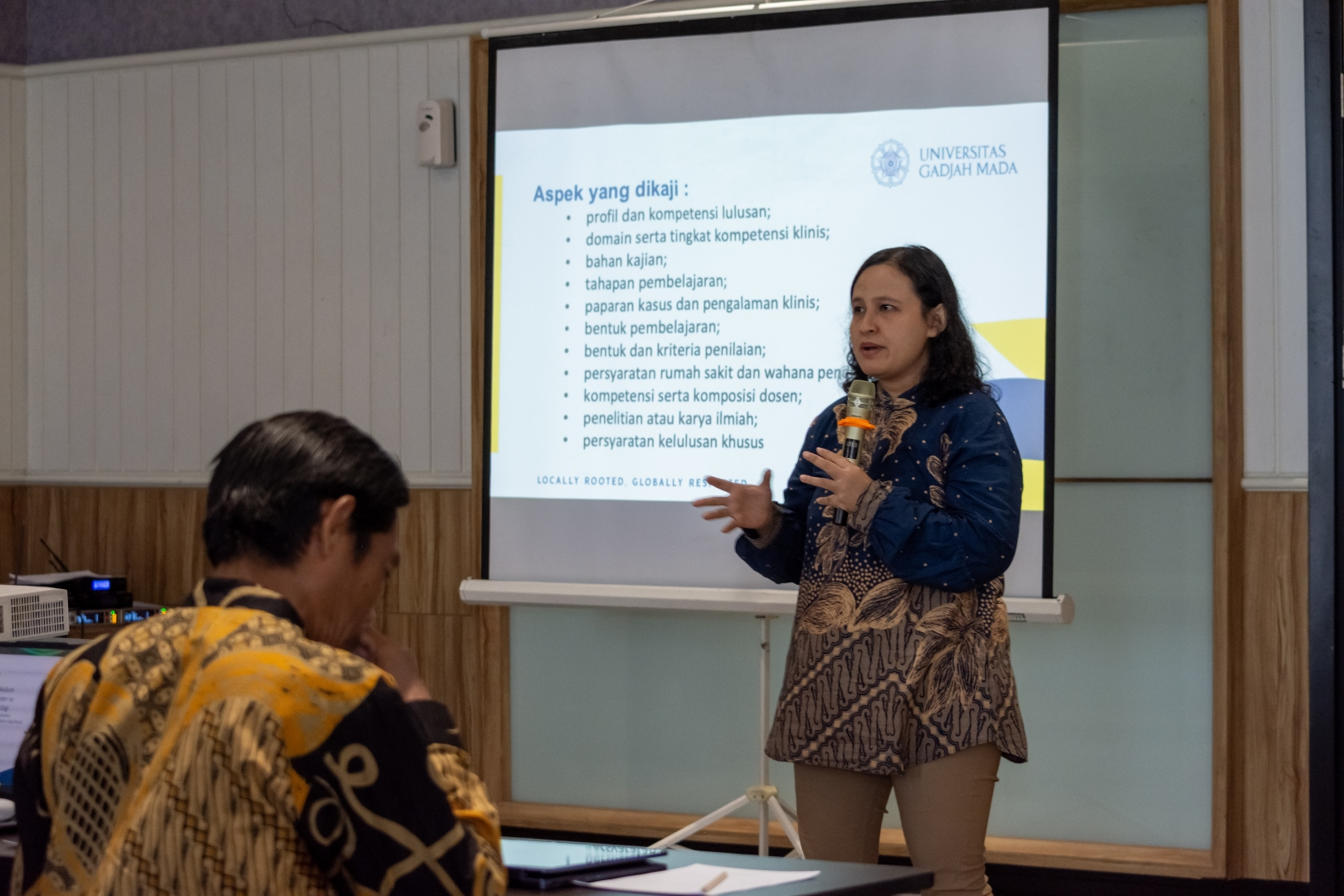
She highlighted several key priorities for the revised curriculum. First, students' clinical skills must evolve alongside advances in artificial intelligence technologies, including the use of intraoral scanners and other digital diagnostic tools. Second, patient care should adopt a more holistic approach to address individuals with comorbid conditions such as diabetes and cardiovascular disease. Third, as public awareness of aesthetic dentistry continues to grow through social media, the potential for medicolegal disputes has increased, making communication skills increasingly important for future dentists. Finally, the master's curriculum should expand to support precision dentistry by incorporating developments in genetics and stem cell-based therapies tailored to individual patient needs.
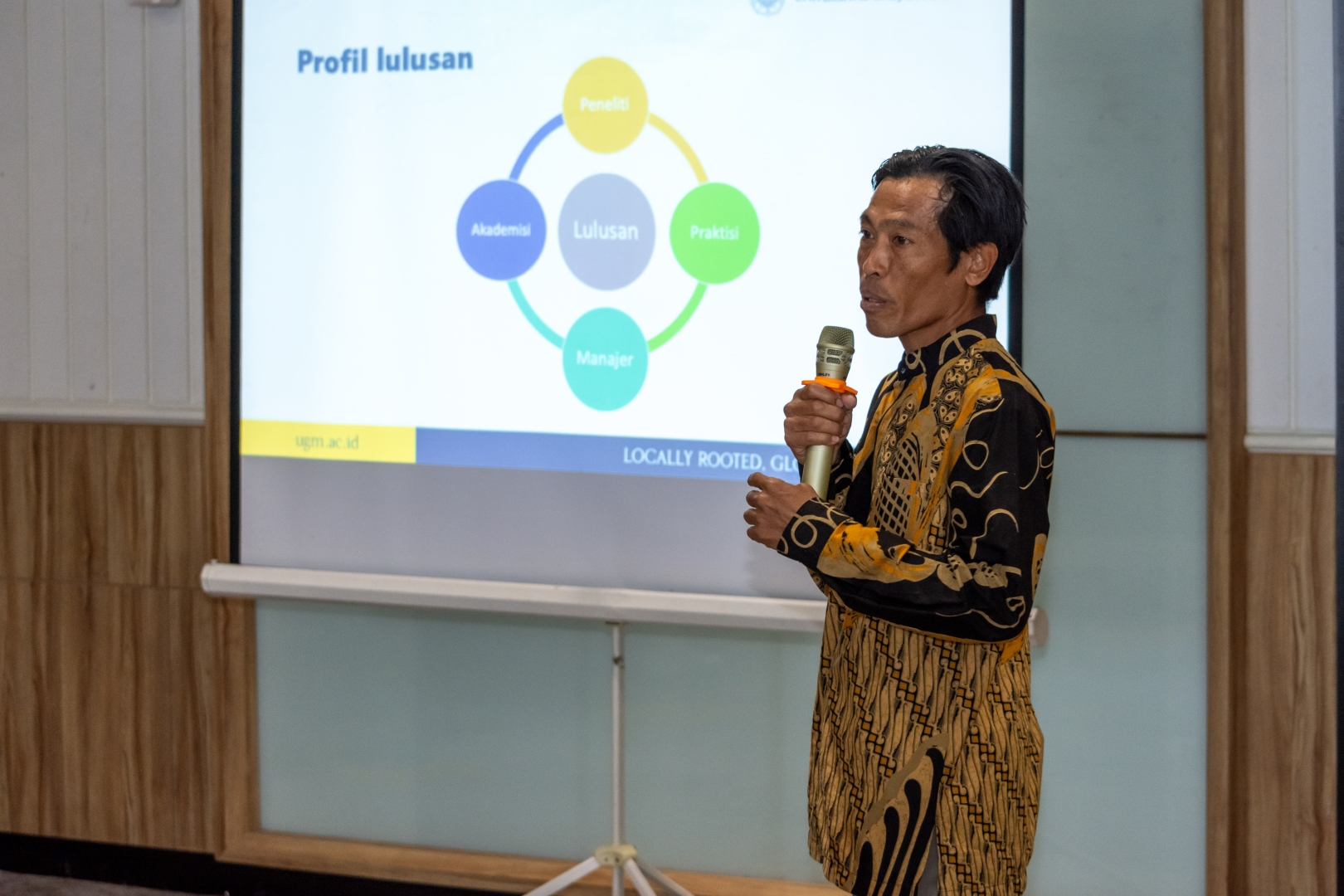
Meanwhile, Head of the Master of Clinical Dentistry Science Program, drg. Asikin Nur, M.Kes., Ph.D., explained that the curriculum evaluation would not change the current study load of 49 credit units (SKS).
Instead, the primary focus is to improve the alignment between the Graduate Learning Outcomes (CPL) and the Course Learning Outcomes (CPMK). The program also aims to fully implement Outcome-Based Education (OBE) across all courses.
"We are not undertaking a complete curriculum overhaul. Instead, we are refining course content and Semester Learning Plans (RPS) to ensure our graduates are fully prepared to enter professional practice with competencies that meet current regulatory standards," Asikin concluded.
Author and Photo: Fajar Budi Harsakti